
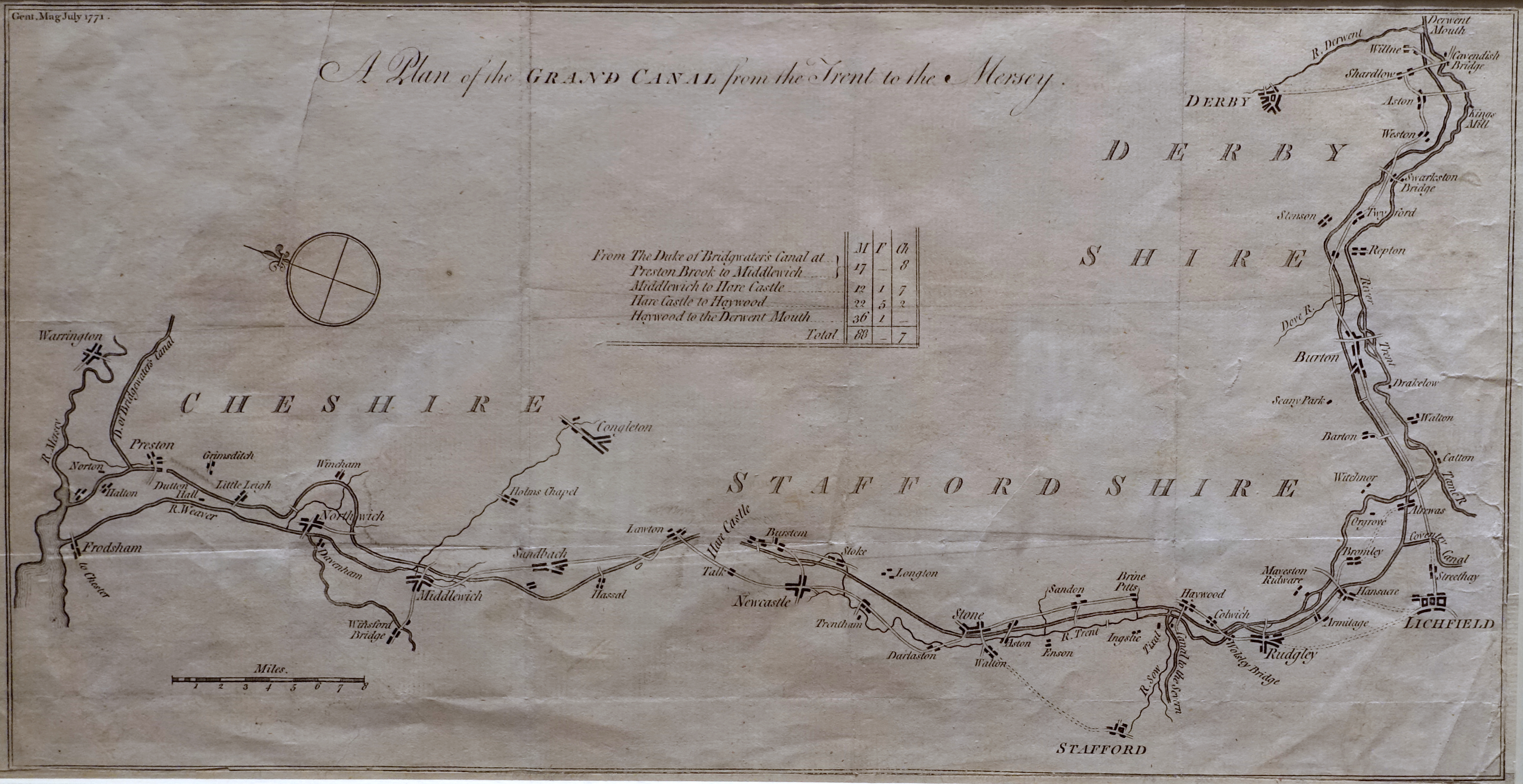
A plan of the Grand Canal from the Trent to the Mersey, in The Gentleman's Magazine, July 1771. Preston Brook is at the far left.
Imagine this… You stand in the study of a building that, despite the best efforts of the staff, still smells quite strongly of paint, plaster and sawdust. A dog is lying on a blanket by the fireplace, watching his master, who stands by the window watching the gardeners. They are following earlier discussions and planting trees around a lake. While he watches, he is mulling over a letter, now discarded on the desk, brought this morning in haste from Warrington by an agitated rider. In the distance you hear his children playing, the baby crying, as he taps his fingers and considers what to do next.
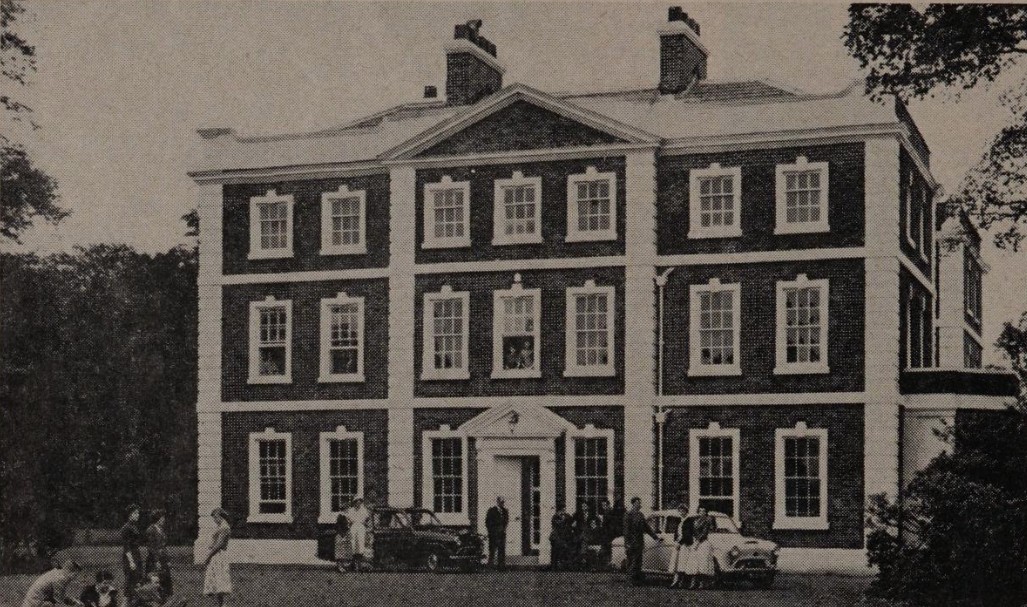
The year is 1768, and this is George Heron of Daresbury Hall in Cheshire, one of the most interesting men that you’ve never heard of! The urgent missive he needs to reply to is another letter from his brother-in-law bemoaning the oncoming Bridgewater canal. George was not a massive fan of the canal. He and his in-laws were firmly on the team of the existing river navigations of the Weaver and the Mersey and Irwell, and they had all spent vast efforts trying to stop the Duke of Bridgewater from building any canal at all, and then more effort trying to stop him from joining his canal to another one and therefore bypassing the existing navigations and reducing their income from them.
Canals might be the future of industry, but to many of the gentry they were a threat to their lands, their stability and, in some cases like this, their income. However, George was a practical man and he recognised it was now a lost battle, and thus had to put his considerable charisma to restraining his wife’s family from doing anything silly, like setting the dogs on the Bridgewater agents.
Introducing George Heron
In 1768, George was 44 years old, with a wife and 7 living children. He’d inherited a vast fortune from various branches of his merchant family, but this hadn’t created an idle man; he used his wealth and connections to become a successful merchant in his own right, dealing primarily in cloth but also in jewels. Although born and raised in London, scenting change on the horizon, he sold everything and moved up North to be at the heart of the action. Today we might all remember Liverpool and Manchester took off, but for the likes of George, there was Macclesfield, Warrington and Chester as well, all pouring ingredients into the metaphorical cake of industry that a likely lad like our George wanted to be in on.
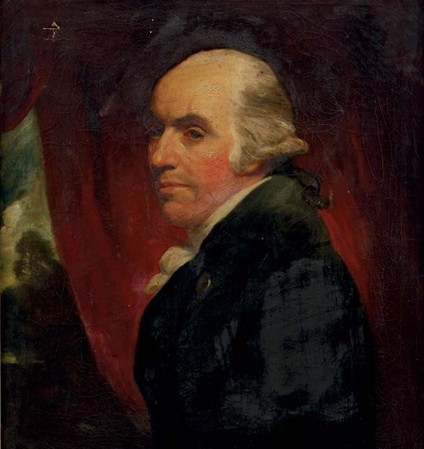
Getting to know George
Our research has revealed more than the basic profile details though, we ’ve also learned that…
- He had a dog named Barto and smart hunter horses for sporting events but preferred sturdy Welsh Cobs for travelling.
- While he had blue livery made for his servants for official functions, he personally seems to have preferred a smart salt-and-pepper suit for himself (and soft leather breaches for all the hours he spent in the saddle riding back and forth on business).
- He liked to go bowling, even though he sucked at it!
- He was very careful to make sure his children respected their fellow men and women, regardless of class, and signed off monies his daughters spent on trying to help educate the local children, even when they dabbled in teaching them themselves.
- He respected love, giving the lease of the local pub to two of his servants when they married and apparently stepping in when his son eloped with a local heiress to make sure that her guardian didn’t have the whole thing swept under the rug.
George’s web
But to tell his story properly, you must also tell the story of the servants in his household, the tenants on his land, the craftsmen who fitted out his house, the boatmen and sailors who carried his cargo. A thousand stories all falling back to one man. The six degrees of George Heron if you will. Here are some gems we’ve uncovered…
The stablehand
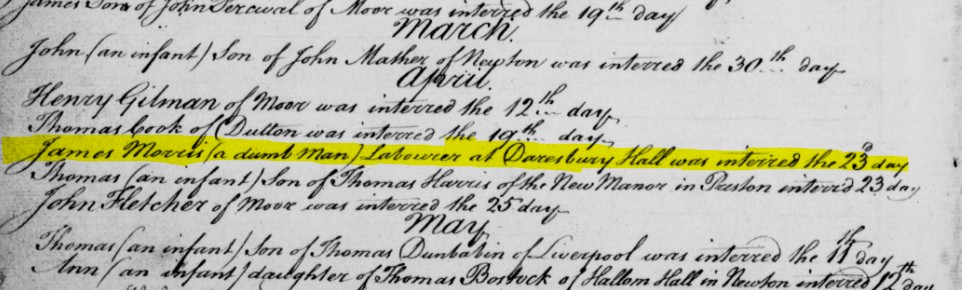
Burial record for James Morris.
James Morris was probably born about 1750 in poverty in Penketh, and regarded as “slow” from a relatively early age. He came to George through a combination of luck and charity, and despite never saying a word he proved a capable member of staff, doing whatever job was asked of him with a quiet smile.
The batman and his sister
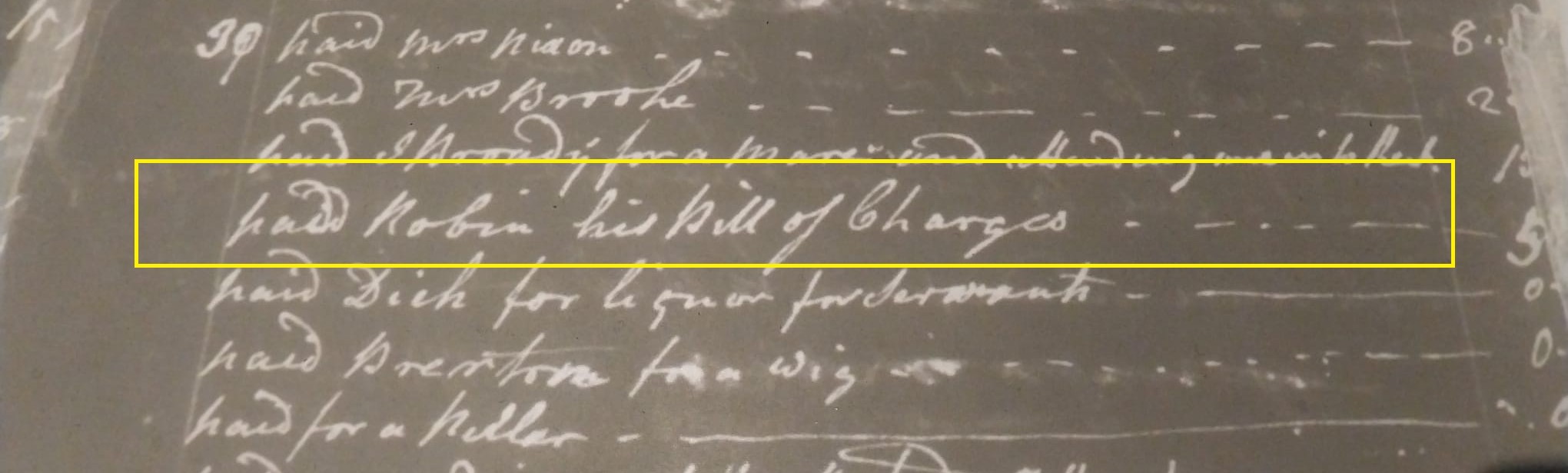
Robin Kinder was George’s ‘batman’ – a close personal servant who accompanied him all over the country. On hearing that Robin’s sister was set to be married, George quietly started having all his shirts made by her, paying double what anyone else was getting paid. As the wedding got closer, the accounts show an increase in purchase of clothes for Robin, including a petticoat! This suggests George was effectively paying for the all important wedding ‘trousseau’ to be made.
The flatman's wife
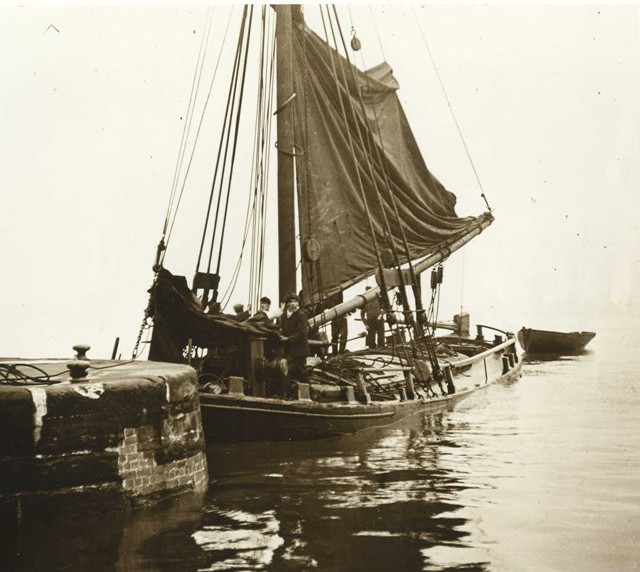
In 1778 Daresbury Hall was alight with gossip, after a domestic scandal followed the arrival of one George’s shipments of fabric in Liverpool. The flatboat carrying it was captained by a Mersey man identified as “drunk Jack” and his “docile” wife, who may have been related to a servant at the Hall, they set tongues wagging when she promptly absconded from her husband after being “charmed” by a boatman, running away with a narrowboat headed to Stoke on Trent!
Find out more
- Heatherfield Heritage
- Heatherfield Heritage's festival case study - Read about their first year participating in Heritage Open Days.
- What's on - Keep an eye out when the event directory launches this summer for more chances to discover stories of our Everyday Histories.