Over three series, ‘Hidden Treasures of the National Trust’ has put a spotlight on the curators and conservators who work behind the scenes to look after, research and interpret the collections of all kinds in our care, from pictures, furniture and books to sculpture, ceramics and fashion.
As we count down the days to a special festive episode (19th December on BBC2), I wanted to pick out two of my favourite episodes from series past – and the fascinating histories they uncover.
A jewelled egg
A Fabergé egg at Polesden Lacey, Surrey (Series 2, Episode 2)
Is a miniature Fabergé egg, tucked away in a house in the Surrey hills, the epitome of a hidden treasure?
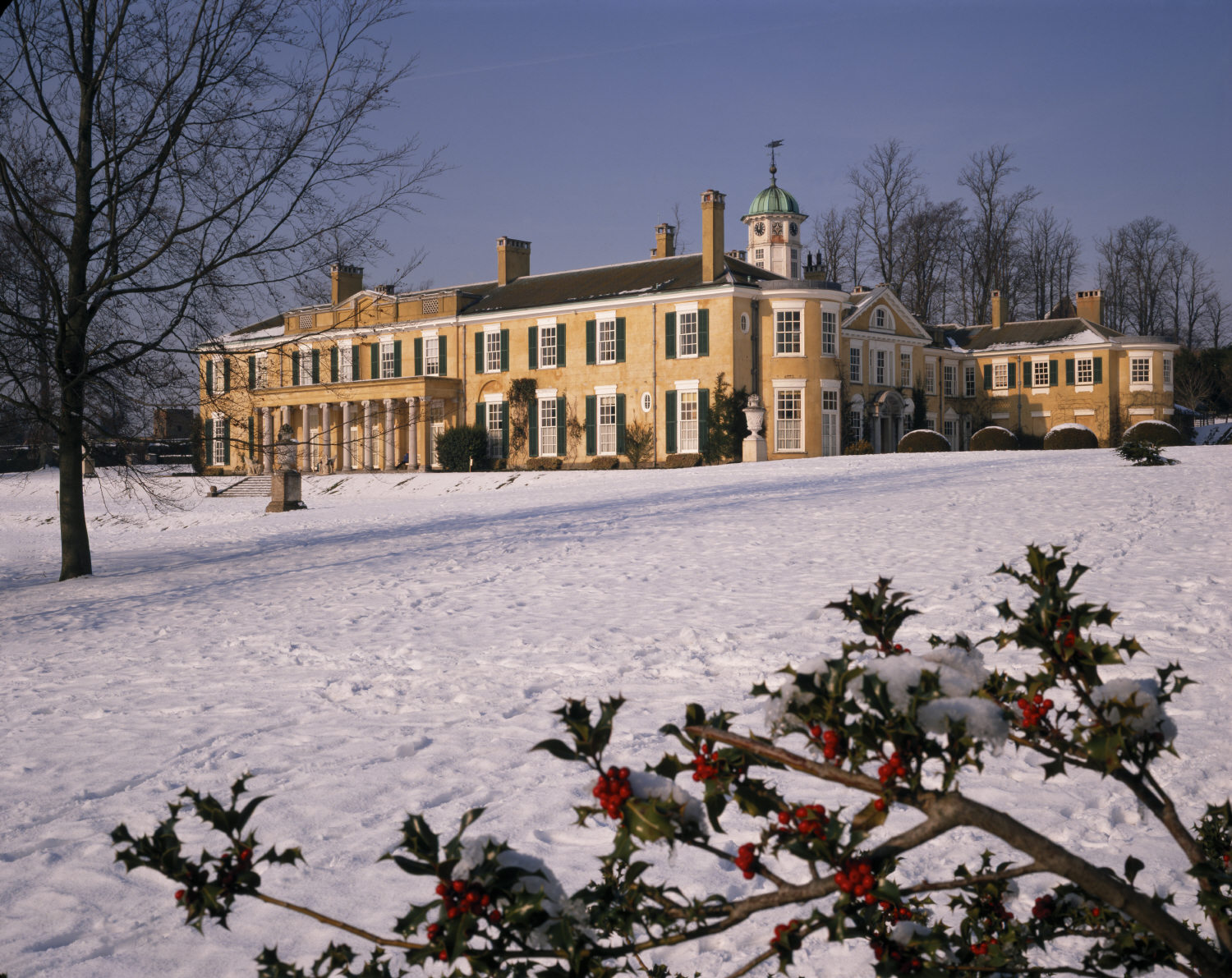
Polesden Lacey in a snow covered Surrey - home of a society hostess who gathered a remarkable collection. (© National Trust Images - Nick Meers)
The Russian Imperial Fabergé eggs inspire awe in a way few objects can. They periodically pop up in films, perhaps most famously in the James Bond film 'Octopussy', and in December 2025, BBC News reported that the Winter Egg (1913), one of just seven Imperial eggs left in private hands, had sold in London for a record-breaking sum.
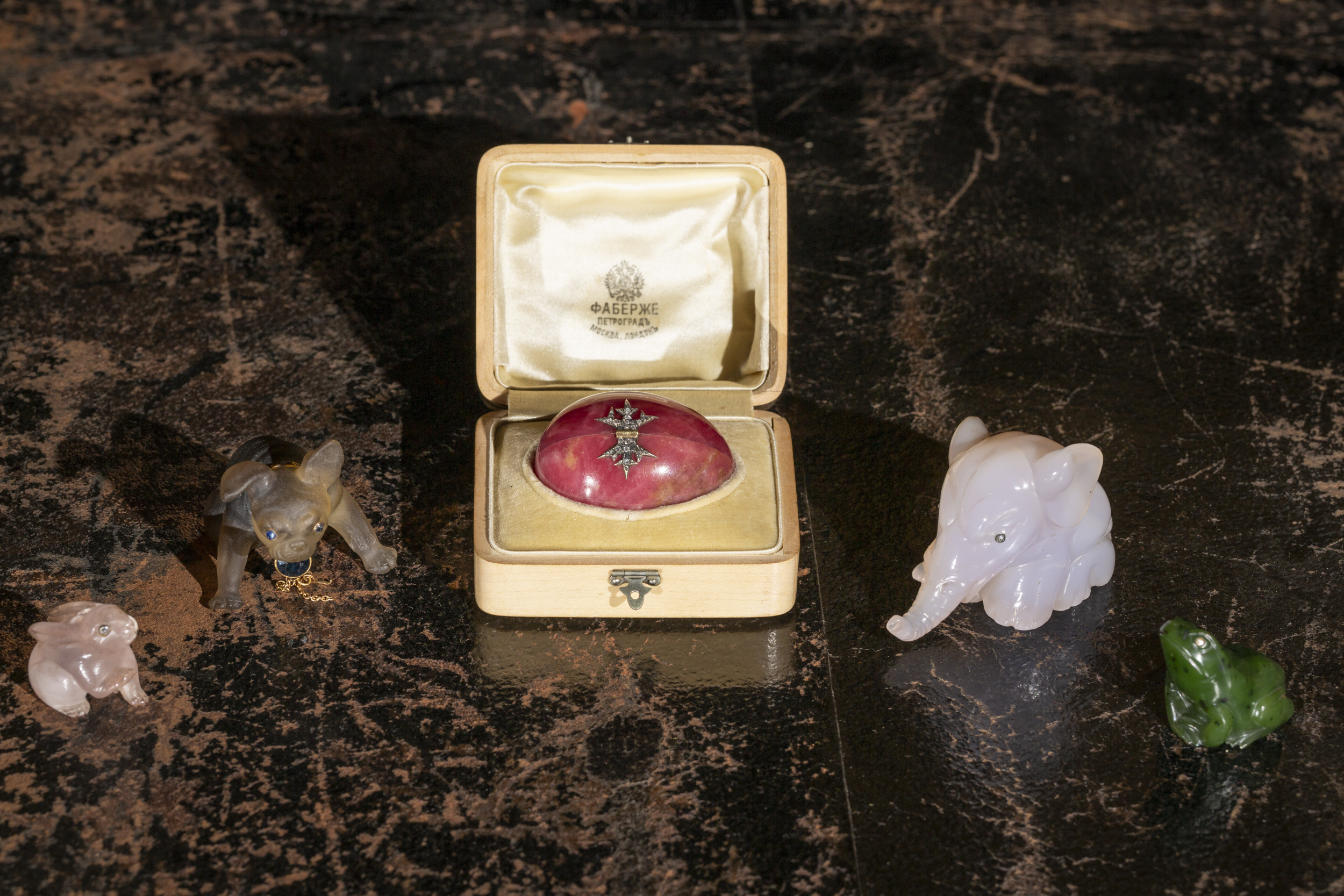
At Polesden Lacey, the country house of the Edwardian society hostess Margaret Greville, a small pink egg, decorated with diamond snowflakes, sits in its original silk-lined box. Not one of the Imperial ones (sadly), it was nevertheless made by the House of Fabergé – Russia’s largest jewellery firm in the early 20th century – and dates from around 1914.
It was almost certainly a gift to Margaret Greville, possibly from Grand Duke Michael Mikhailovich of Russia, who gave Margaret other Fabergé creations including a jade froglet with diamond eyes. Margaret herself gave Fabergé gifts too, which she bought from their shop on Bond Street, including to her friend Queen Alexandra, the wife of King Edward VII.
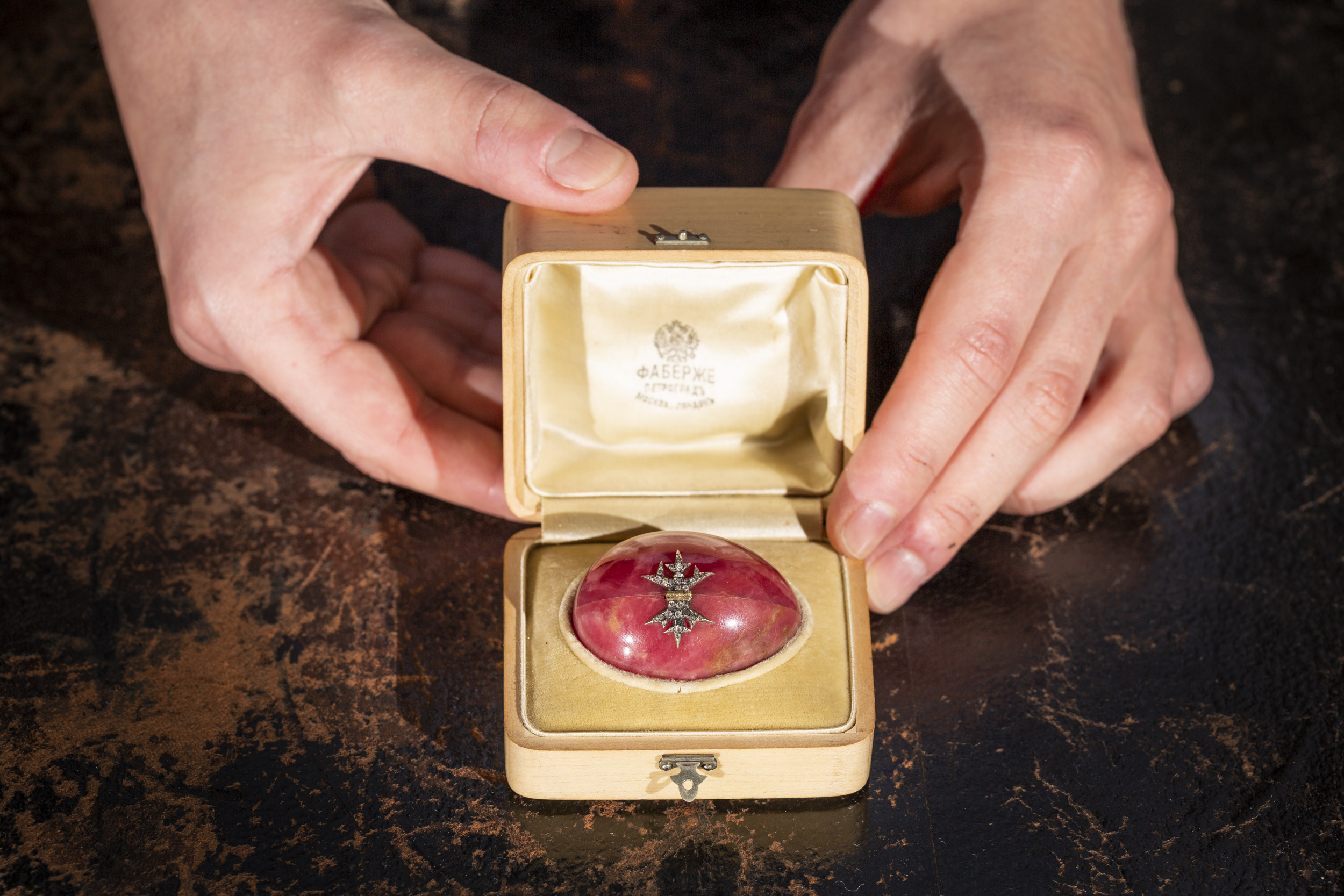
Fabergé occupied a special position as a kind of elite social currency in this way. As well as being treasured tokens of friendship, by displaying them in her home for her guests to admire, handle and discuss, Margaret Greville could signal her influence and connections with the rich and powerful.
In 'Hidden Treasures', I loved getting to see the Fabergé collection and how it’s looked after at Polesden Lacey. The egg (which you get to see inside) keeps company with a handful of other Fabergé pieces there, including a bookmark and a gum pot. They are simultaneously beautiful, crafted creations and windows onto Edwardian high society and how the dynamics of reciprocal gift-giving worked.
Walls covered in shells
The Shell Gallery at A la Ronde, Devon (Series 2, Episode 1)
Another of my favourite conservation projects featured in ‘Hidden Treasures’ was the restoration of the octagonal Shell Gallery at A la Ronde.

Conservator Rachel Lawson in the Shell Gallery at A la Ronde. (© National Trust Images - Paul Harris)
Built at the end of the 18th century by two women, the second cousins Jane and Mary Parminter, it is not only an otherworldly visual spectacle but also a fascinating historical ‘document’ – through which we can understand the wider interests and preoccupations of Georgian Britain.
Take, for example, the scale and variety of materials that make up the Gallery. It is not just shells, although there are tens of thousands of them. There are also starfish, seaweed, corals and a crab, pinecones, moss and lichen, stones, crystals, sand and even bones, including a macabre chunk of horse vertebra. It forms a tangible representation of the Georgian fascination with natural history, curiosity and classification.
But the Parminters didn’t stop at natural history specimens, they also added medallions made of plaster, bits of glass and mirrors, paper quillwork and ceramics, including a snapped off teapot spout. And framed within the encrusted walls are murals, watercolour paintings and collages of birds made of feathers. It is truly one of a kind.
As well as being an expression of the women’s individual artistic creativity, it is a product of Enlightenment ways of thinking: a celebration of worldly things, put together in the aftermath of the British Museum’s foundation earlier in the century, which was a dedicated place to study fossils, flora and fauna.
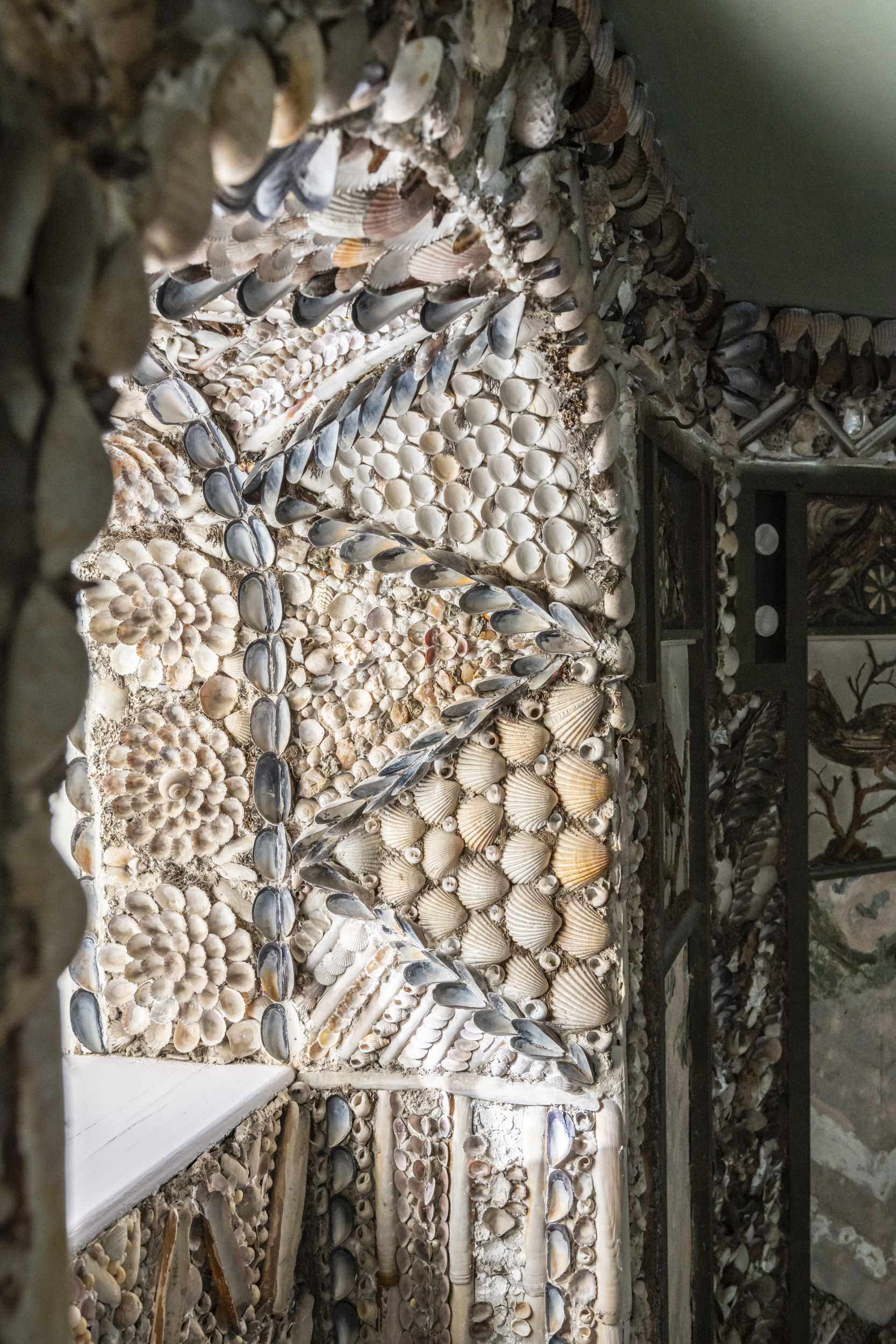
It was fascinating to go behind the scenes in this episode and discover not only the conservation challenges of looking after such an unusual space, but also what inspired Jane and Mary Parminter to create it. They and their Shell Galley are remarkably significant for understanding Georgian society today.
Explore more ‘Hidden Treasures’
You can find more stories in ‘Hidden Treasures of the National Trust’ by Anna Groves, a book published by the National Trust in 2025 with a foreword by the classicist Professor Mary Beard.
‘Conservators and curators do more than conserve’, writes Prof Beard. ‘They also reveal the stories and the people behind the objects. (…) In taking us inside the world of the conservation team, 'Hidden Treasures' makes every object remarkable, and invites us all to debate and enjoy.’
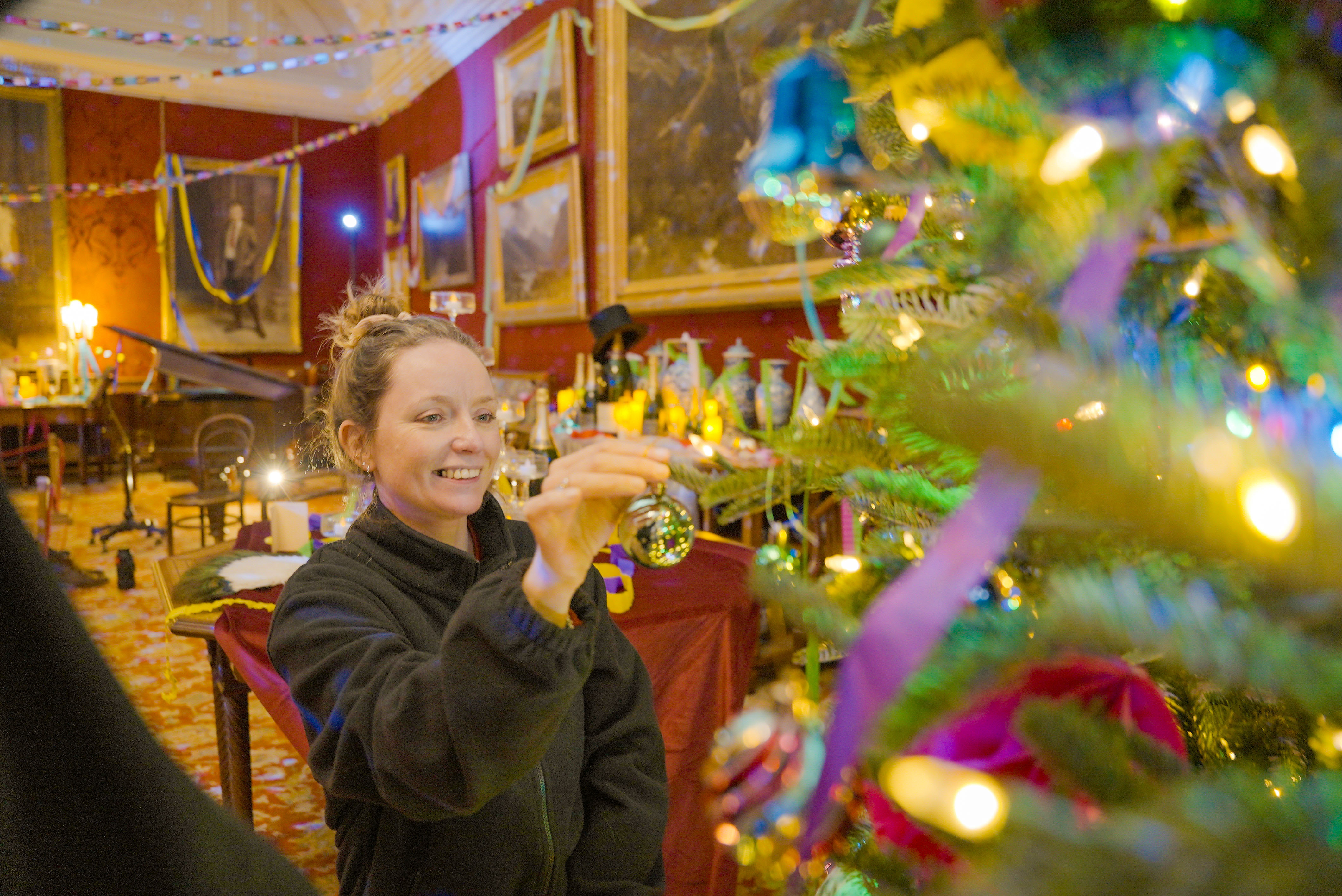
I hope you enjoy ‘Christmas Treasures of the National Trust’, airing at 9pm on BBC Two on Friday 19 December.
Find out more
-
Order the book to explore more ‘Hidden Treasures of the National Trust’
- BBC iplayer: 'Hidden Treasures' - Watch all previous episodes to discover a wealth of details from behind the scenes of caring for the National Trust's sites and collections.
Read our earlier posts for more highlights from the Trust's collections: