
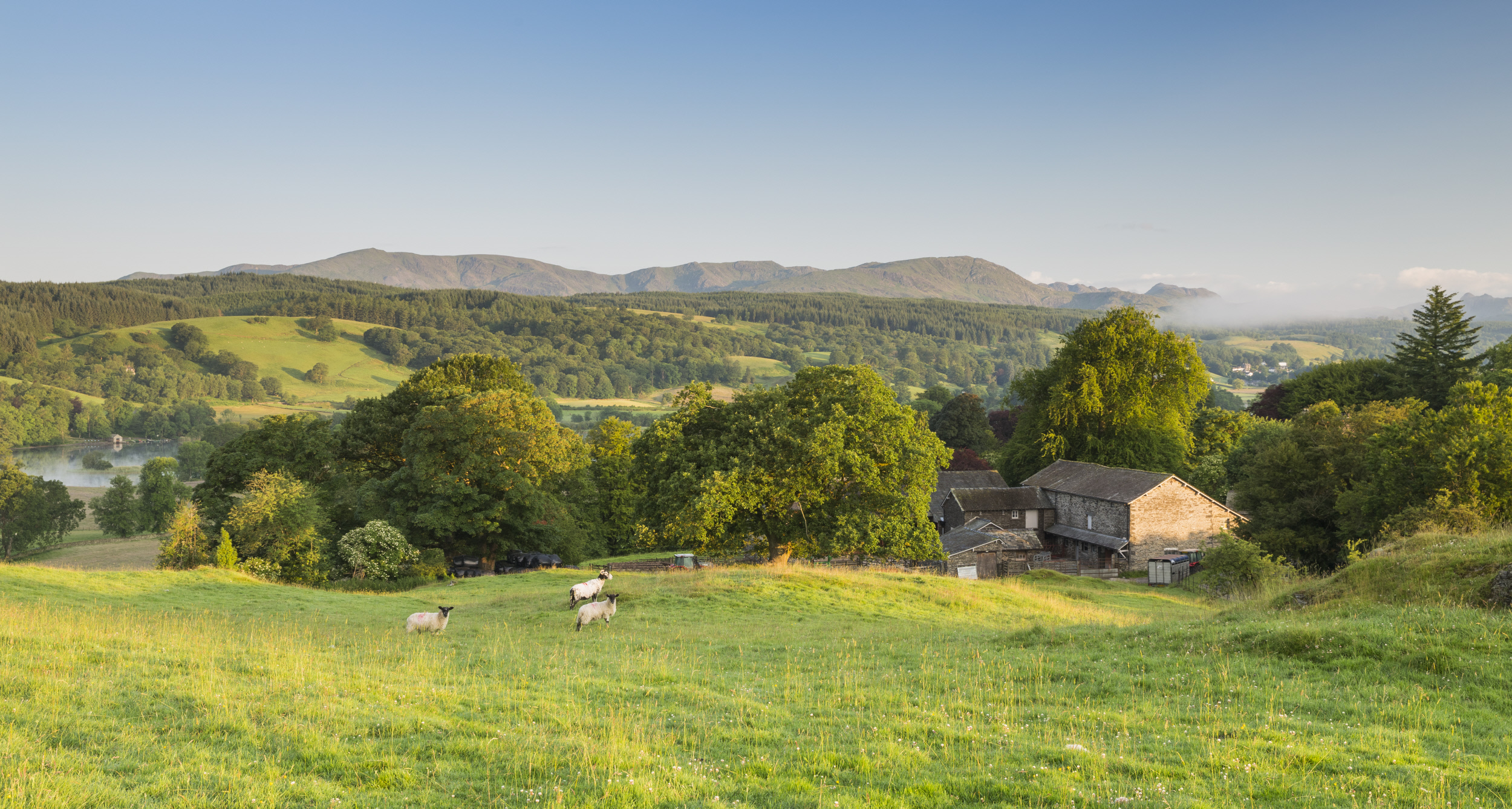
Hill Top farm in Cumbria (©National Trust Images/James Dobson).
Dressed in her worn leather clogs and warm tweeds with her faithful sheepdog, Kep at her side, it is easy to picture the beloved children’s author Beatrix Potter (1866 – 1943) carrying out daily chores at Hill Top farm. Although Beatrix had been born in London, she was proud of her northern roots, and with the success of her early books, was able to purchase the 17th century farmhouse and surrounding lands in 1905.
Born to the children of two wealthy industrialists, Beatrix was not expected to work or find employment and had spent many formative years reluctantly moving through social circles. Although she was required to spend most of the year with her parents, Beatrix’s frequent visits to her farm saw her turn her hand away from her pens and paints, and towards careful graft and agricultural management. Hill Top would become the backdrop for many of her books, although now she found it harder to make time for writing.
Managing the farm
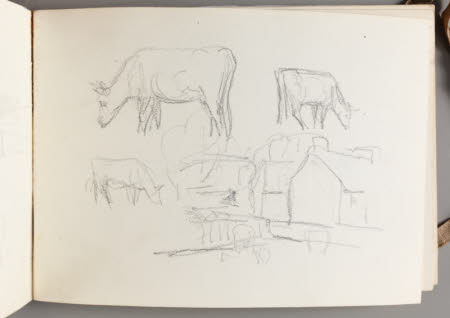
Beatrix was a lifelong learner in the practice of Lakeland farming. She had a particular affinity for Herdwick sheep and built up vast flocks across her many farms. Tenants were selected carefully, and Beatrix worked closely with them in the management and decision making at each site. In her many letters to friends and relatives, now part of the Beatrix Potter collection owned by the National Trust, Beatrix described in detail the work that went into running her farms: a world away from her life in London.
The relationship between Beatrix and her farmers was one of (eventual) mutual respect. Although Beatrix could be difficult and forthright with her own opinions on how things should be done, she listened and conceded to those who, like farmer Tom Storey, had a lifetime of knowledge and expertise in farming the unique landscape of the Lake District.
Beatrix the boss
A 1916 letter to Eleanor ‘Louie’ Choyce, the farmhand who Beatrix would employ during the First World War and remain good friends with, gives a sense of the daily workload at Hill Top farm. Beatrix wrote that it consisted of:
‘…120 acres, 9 arable the rest meadow hay & pastures, 2 horses, 9 or 10 cows…60 sheep, 47 being lambing ewes…I have employed one family for ten years, John Cannon, foreman-cowherd-shepherd; Mrs C, dairy woman farm-housekeeper…I have poultry, orchard, flower garden, vegetables…’
Beatrix and her husband, William Heelis, helped with the hay, and Beatrix managed the garden mainly alone. The Cannon’s children also worked on the farm, Willie Cannon as a ploughman and their daughter Betsy is registered as a Dairy Maid on the 1911 census.
Louie later wrote to her mother: ‘I get up early but Mrs Heelis isn’t much of a driver. She finds me odd jobs if it isn’t too hot or wet to garden and never fusses. I simply do like her exceedingly…’
Louie would return often to Hill Top Farm, as both a visitor and to lend a hand, usually over the summer. In June 1921, she is recorded as staying at Hill Top, alongside the current farming tenants, John and Isabella Mackareth. John helped Beatrix build a strong flock of Galloway cattle. On the 1921 census, however, he recorded William Heelis as his employer, despite Beatrix owning and running the farm.
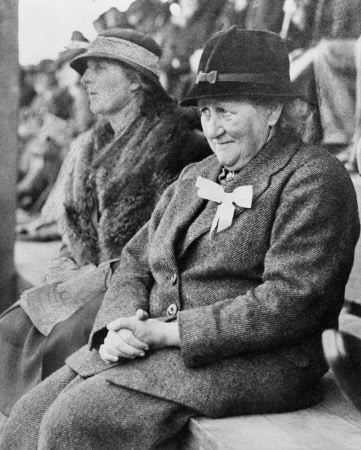
Beatrix Potter at the Keswick Show (© National Trust).
Shepherding the flock
Beatrix did not rely on her farm for her income, but despite the pressure not to make a profit, she often lamented the falling costs of British wool and the low prices for which livestock and goods were selling. ‘I wish I had sold my wool,’ she wrote to her cousin Caroline in December 1930: ‘It dropped from 9 ¾ to 4 ¾ and now I am afraid it is not even wanted at that price and I am afraid of rats getting into the heap, 1600 fleeces is a big stack. Except for wool it has been a good season…’
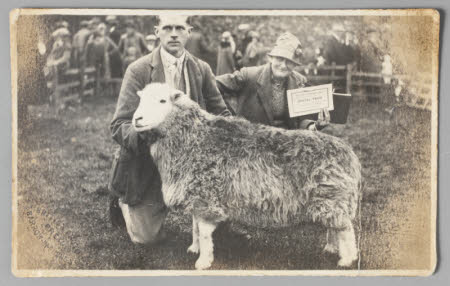
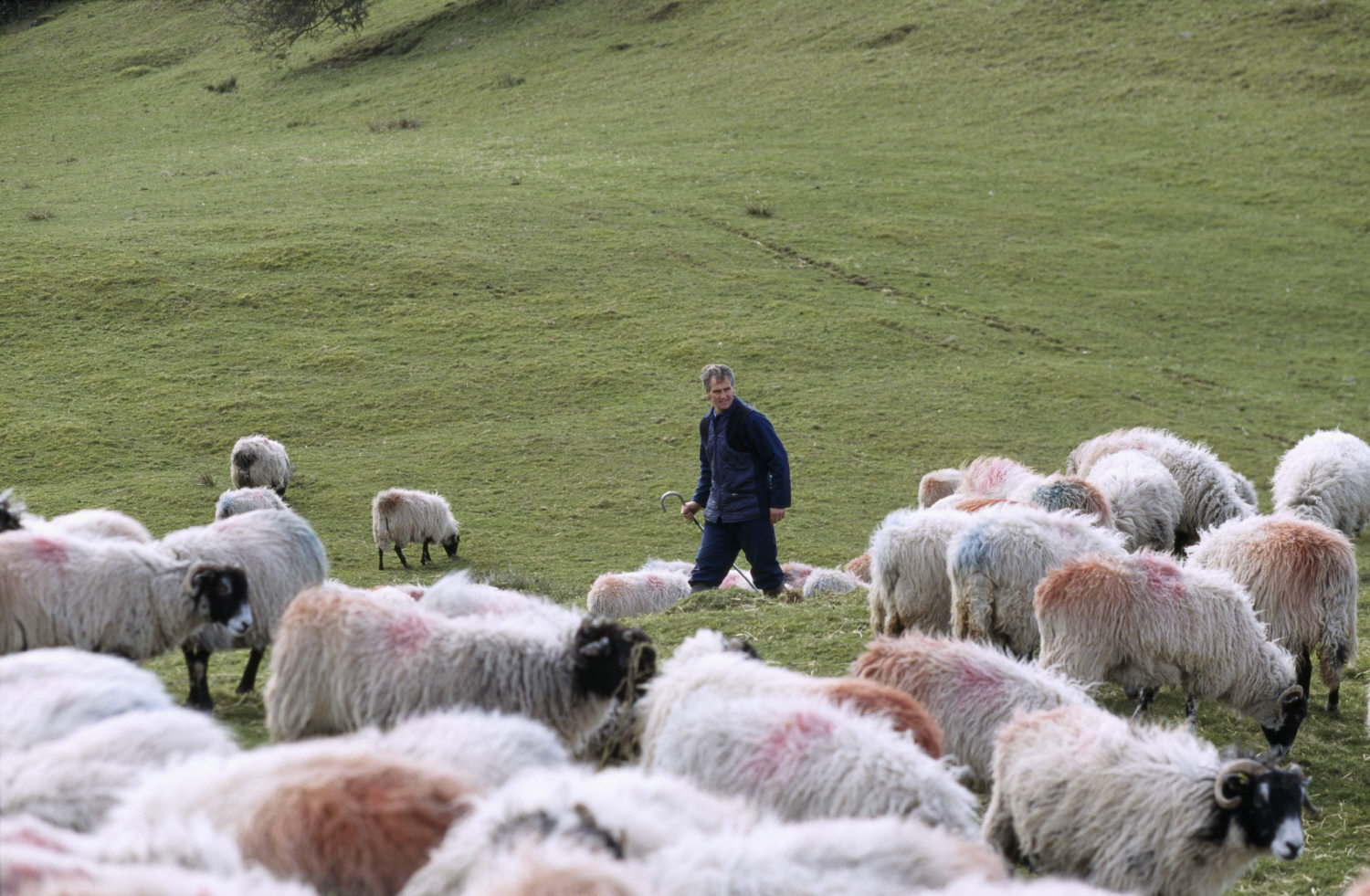
After purchasing Troutbeck Park Farm in 1923, Beatrix now had to manage a vast flock of Herdwick sheep, over 1000, and over 1800 acres of land. Herdwick sheep were as important to Beatrix as the land on which they grazed. For most of the farming year, they live out on the fells, grazing over many acres.
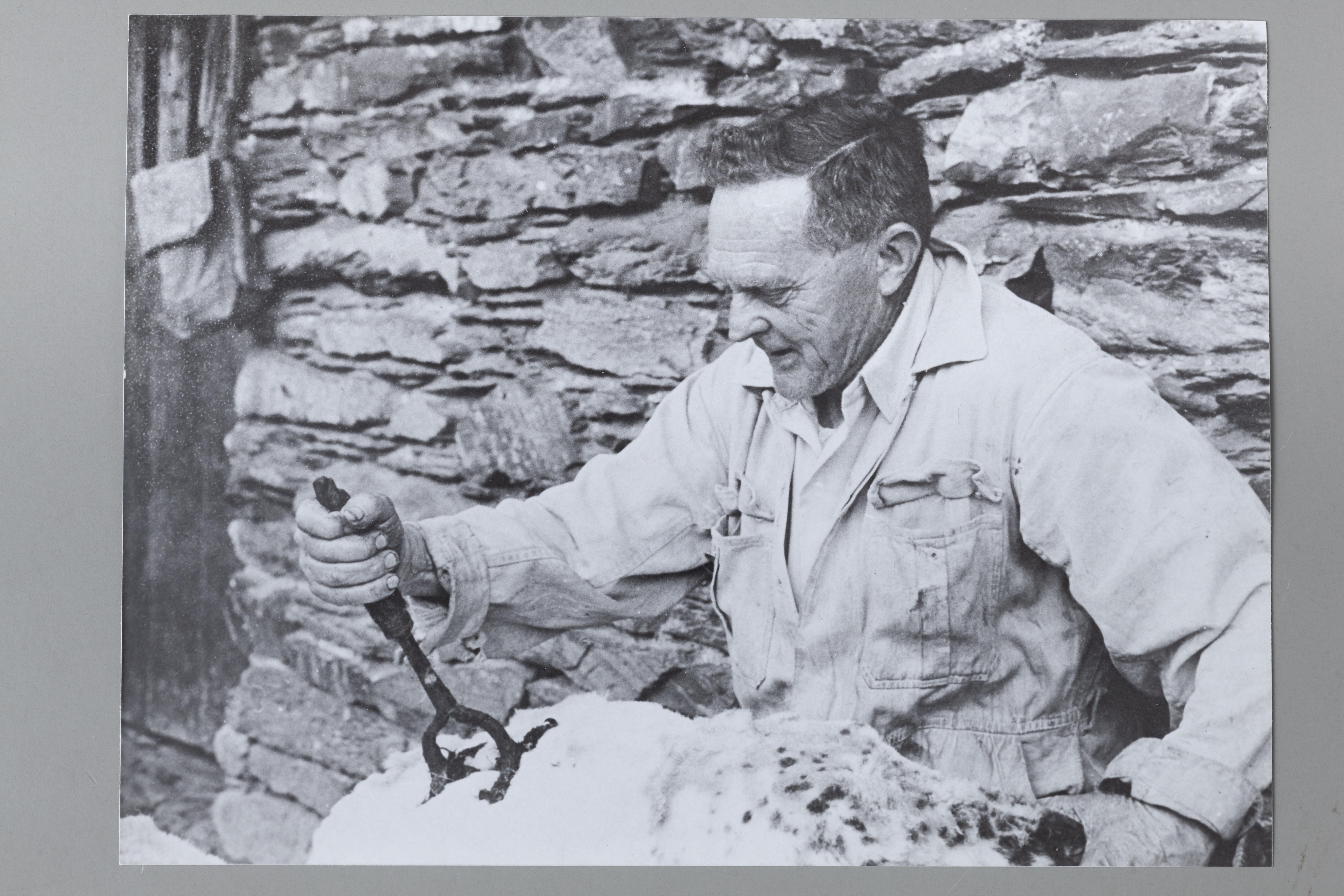
Tom Storey was Beatrix’s Head Shepherd at Troutbeck Farm. Joseph Moscrop, a Scottish shepherd, would come to help during lambing and shearing. Tom helped bring the Troutbeck flock from poor health to a strong condition, and his move to Hill Top in 1927 ensured that the Herdwicks of Hill Top were some of the most prized, winning several awards. Some of Beatrix and Tom’s trophies are now on display at Hill Top.
Author to farmer
In 1911, Beatrix Potter is recorded as an ‘authoress’. Ten years later, as Beatrix Heelis, there is no mention of her earlier profession, only that of ‘farmer’. We see here Beatrix’s changing identity over a decade, and a woman now committed to the management and success of her farms.
The lives of Louie Choyce, the Cannon family, the Mackareths, Joseph Moscrop and Tom Storey show that Beatrix could never have farmed alone. The expertise needed of the land and the work was crucial to the success of her crop and stock. Their legacies remain today on the farms and fells where descendants of Beatrix’s Herdwicks still roam.
Find out more
- A Fashionable Collection – Discover the people behind the clothes in this post, featuring Beatrix Potter’s clogs.
- Hill Top & Hawkshead