
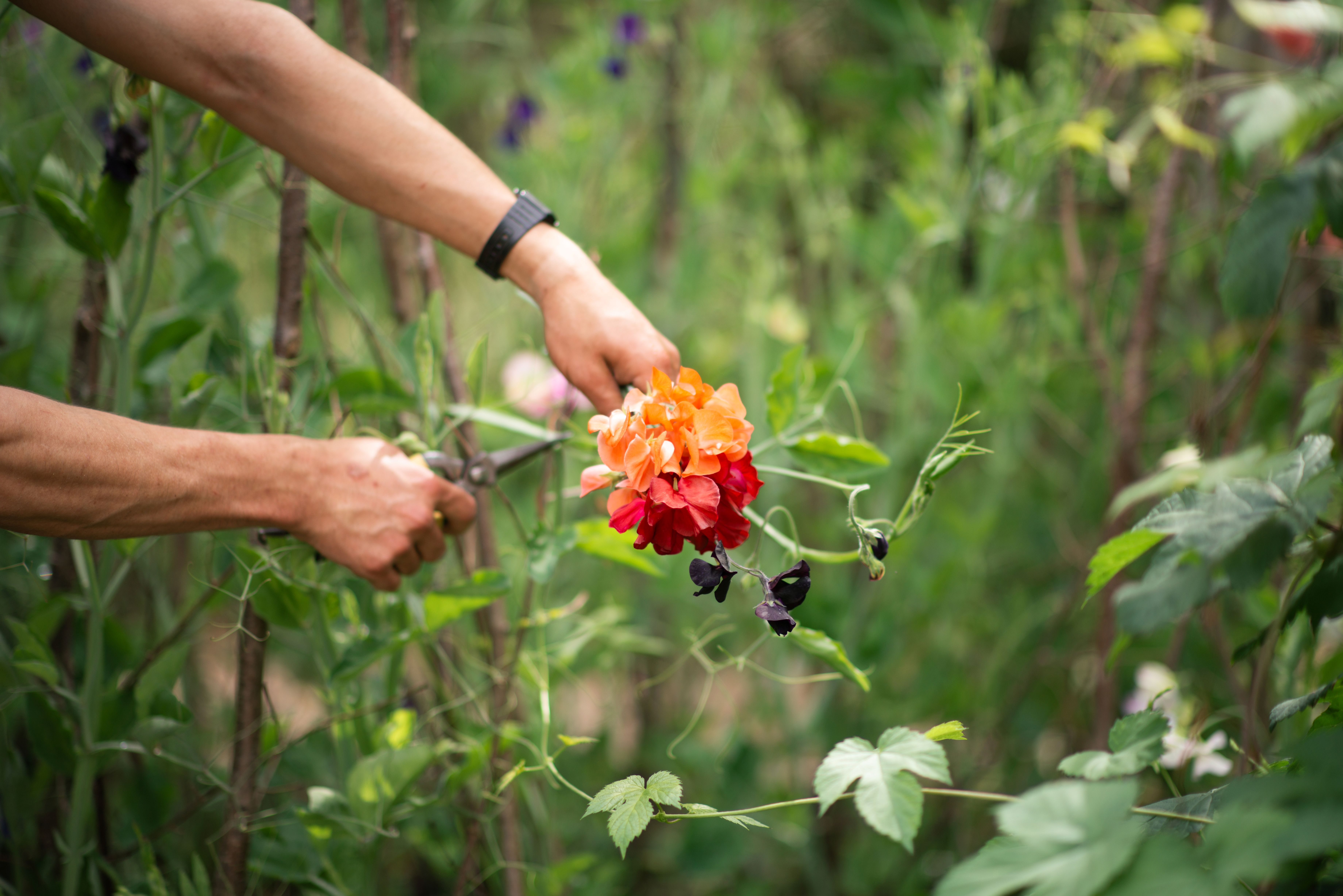
Chelsea Physic Garden continues to grow its living legacy of botanical expertise alongside its remarkable collection. (© Laura Stoner-New)
Chelsea Physic Garden, founded in 1673, is London’s oldest botanic garden. Set across four acres along the Thames embankment, it has been a centre of horticultural craft, science, and innovation for over 350 years.
The early years
Established by the Worshipful Society of Apothecaries, the Garden was originally a training ground for apprentices learning the medicinal properties of plants. At a time when remedies were largely plant-based, accurate identification was essential, distinguishing beneficial species from harmful ones could be a matter of life and death. Plants such as hemlock and sweet cicely illustrate this contrast. The Garden provided a vital, hands-on environment where apprentices could develop this knowledge and avoid dangerous mistakes.
The Garden’s early years were not without difficulty. Its first gardener, Spencer Piggott, was apparently ‘incompetent and dishonest’, and his tenure ended in 1677. His successor, Richard Pratt, brought much-needed stability and skill, cultivating a wide range of fruits including nectarines, peaches, apricots, cherries, and plums.
In 1680, John Watts took over management of the Garden and quickly established himself as an innovator. Earning £50 a year and supported by two gardeners, Watts introduced one of the Garden’s most significant early advancements: the first heated greenhouse in England. This system used underfloor heating to regulate temperature, enabling plants to be grown out of season. Sir Hans Sloane described this in 1684 as creating “an artificial spring, summer and winter” - a remarkable achievement for its time.
Sowing seeds for the future
Watts also played a key role in expanding the Garden’s global connections. In 1683, in collaboration with Hortus Botanicus in Amsterdam, he helped establish the Index Seminum, an international seed exchange programme that allowed botanical gardens to share seeds and knowledge. This network continues today, reflecting a long tradition of collaboration and plant exchange.
That legacy remains evident in the Garden’s modern propagation work. Although no longer part of the formal Index Seminum network, the Garden continues to share seeds with botanic and professional gardens across the UK. Each year, a “seed for collection” list is developed, focusing largely on annual plants grown on site.

Seed sorting. (© Laura Stoner-New)
Traditional skills for a modern age
Seed collection is a careful, hands-on process at the Garden. Seeds are gathered in paper bags, dried on racks, and then cleaned with the support of dedicated volunteer seed cleaners. While modern seed-cleaning machinery exists, the Garden values the traditional skills and knowledge shared among staff and volunteers. Using simple tools such as sieves, trays, and tweezers, seeds are meticulously prepared, then catalogued by family, genus, and species, and stored in controlled conditions.
A global botanical hub
A defining chapter in the Garden’s history began in 1722 with the appointment of Philip Miller as head gardener. Over 50 years, Miller transformed both the Garden and horticulture in Britain. His publication, The Gardener’s Dictionary, made gardening knowledge widely accessible and helped establish the Garden as one of Europe’s leading botanical institutions.
This reputation benefitted further by colonial exploits and plant collectors working across British colonies, particularly in the Americas, Southeast Asia, and South Africa. Their introductions dramatically expanded the range of species cultivated in Britain. By the mid-18th century, the Garden had become a hub of botanical exchange and experimentation.
Tools of the trade
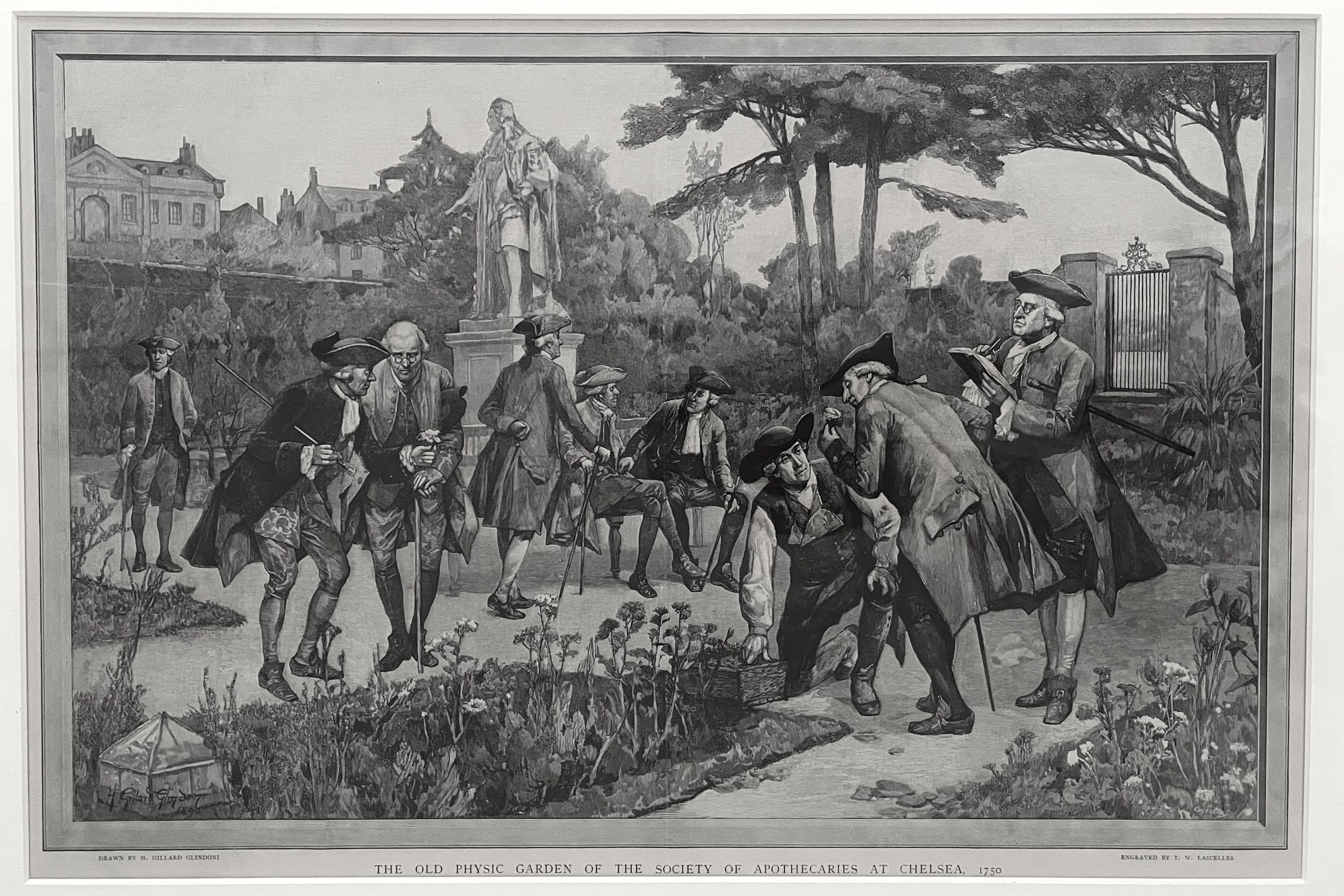
Historical depictions of the Garden, such as the image of apothecaries botanising from around 1750, show the formal attire worn even during practical work. Tools were simple wood and iron implements such as sickles, scythes, and shears. More specialised tools emerged in the 1800s, reflecting changing horticultural styles, including the rise of ornamental lawns.
Today, the Garden continues to balance tradition with innovation. Our horticultural team cares for nearly 4,500 taxa (different types of plants), combining modern sustainable practices with time-honoured techniques. Traditional tools such as the sickle are still used for managing herbaceous plants, particularly where sensitivity and expertise are required. While modern technologies such as robot mowing support efficiency and environmental goals, less sustainable methods, including power washing, have been phased out.
One of the most distinctive traditions still practised is hazel weaving. Each year, around 200 sculptural plant supports are created using this ancient technique. Made from natural materials rather than metal or plastic, they provide sustainable frameworks for plant growth. This traditional craft is also enhanced by modern systems. A digital database enables us to record and plan the specific support needs of each plant, considering species, size, and position. Some structures are designed with access points, allowing gardeners to enter and carry out maintenance throughout the growing season.
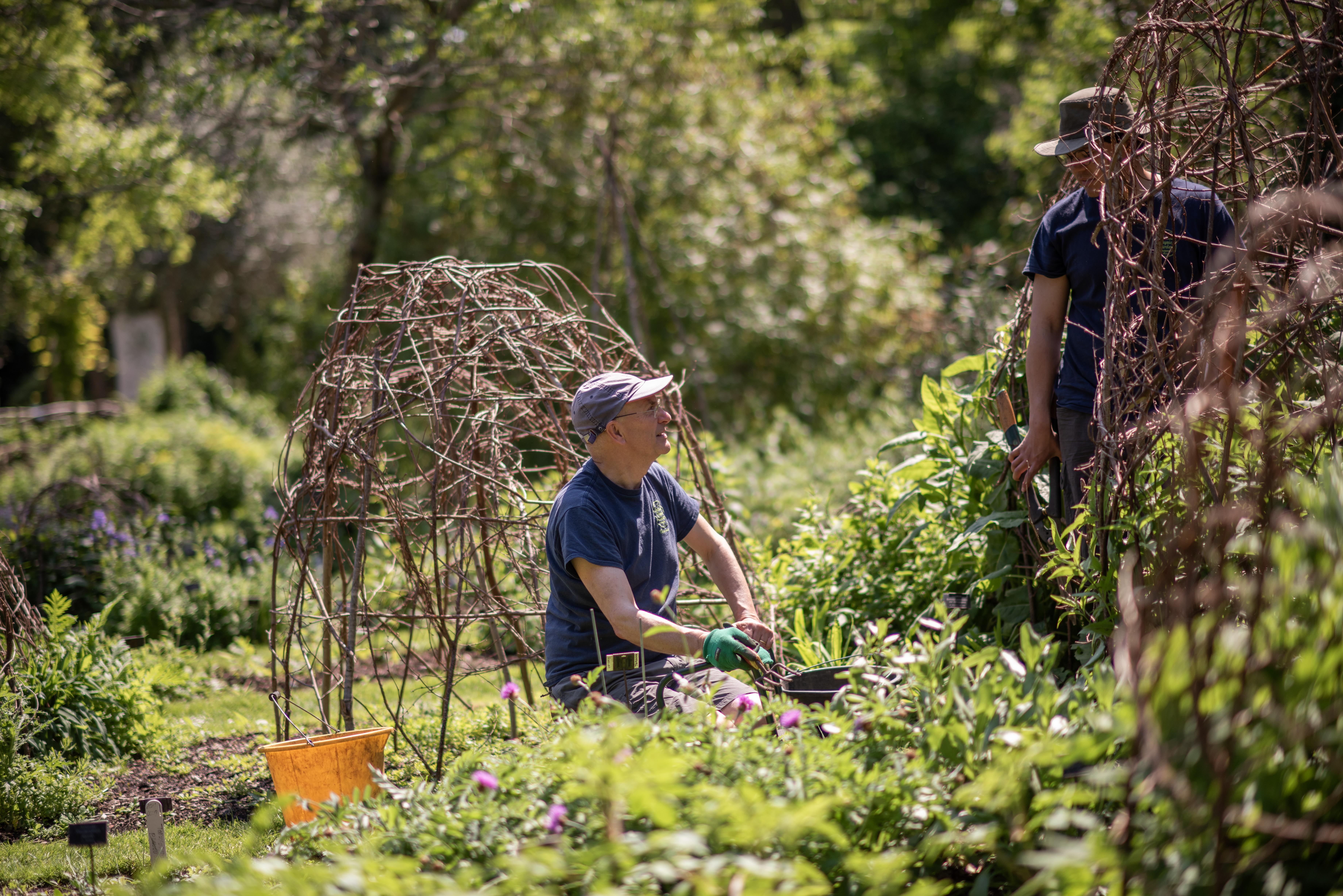
Traditional hazel structures support both plants, wildlife, and local business. (© Laura Stoner-New)
Supportive sculptures
Each year, around 200 sculptural plant supports are created using the ancient technique of hazel weaving. The hazel used is sourced from a sustainable green wood supplier, who has been able to bring lapsed hazel coppice back into production through supplying our garden. These structures also enrich the Garden’s ecology, offering habitats and contributing to our urban ecosystem.
Continuing to grow
Knowledge-sharing remains at the heart of the Garden’s mission. Through traineeships, placements and volunteering, both traditional and contemporary horticultural skills are passed on to new generations. Today, Chelsea Physic Garden is a historic site with a living, evolving collection, where centuries of knowledge continue to shape modern horticulture and where the relationship between people and plants remains as vital as ever.