Amsterdam guided walk
Bridge Way, St. Leonards-on-Sea, East Sussex, TN38 8AP
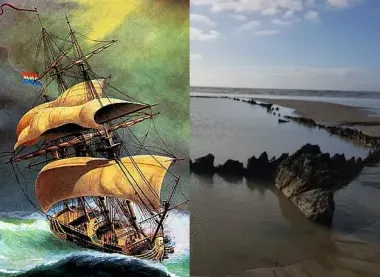
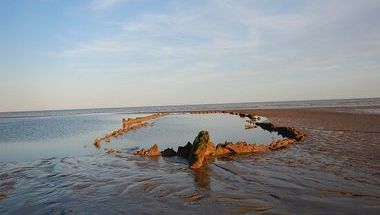
The wreck of the Amsterdam is the most notable feature of the beach at Bulverhythe, the tops of its ribs being exposed in the sands and the peaty clay of the prehistoric forest. This large Dutch East Indiaman was run ashore in a severe gale on Sunday 26 January 1749. The Museum has artefacts from many ships wrecked in the English Channel from the Goodwin Sands in Kent to Pevensey Bay in East Sussex including the Amsterdam.
140 million years ago southern England was a landscape of meandering rivers, flood plains and lakes. Molluscs, fish and sharks inhabited the rivers and lakes, while the land was dominated by crocodiles and dinosaurs. Eventually layers of sand, mud and clay buried their shells, bones and footprints – which then became fossils as the sediments were gradually converted into stone.
The fossil display in the Museum includes a variety of local fossils from which we can learn much about the life forms and environments of Hastings 140 million years ago.
Bridge Way, St. Leonards-on-Sea, East Sussex, TN38 8AP
The footbridge is not suitable for people with limited mobility. The site of the Amsterdam is only accessible via a shingle bank.The beach will have pools of water depending on tide and weather conditions at the time.
Please note the beach is ever changing and can be uneven for walking. Sturdy footwear is recommended.