Longridge at Work and Play: Everyday Histories
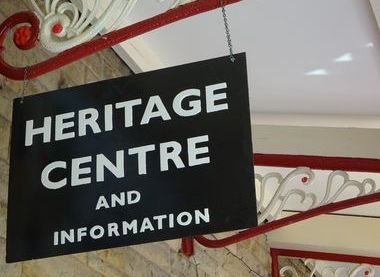
Longridge Heritage Centre, Station Buildings, Berry Lane, Longridge, Lancashire, PR3 3JP
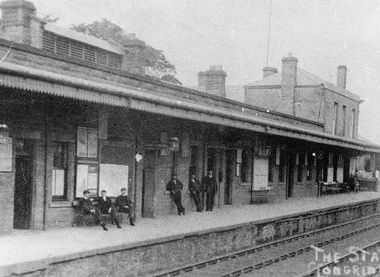
The 1854 History and Directory of Mid Lancashire described Longridge as a ‘populous and thriving village’. When the Preston and Longridge Railway was built in 1840 to transport quarried stone for distribution it opened up the village to new industries. Two cotton mills were operating by 1851 and this new automated way of working began to replace the cottage industry of handloom weaving.
Our ‘Longridge at Work and Play’ exhibition will tell the stories of the Longridge people listed in the 1854 directory based on research carried out by our volunteers. We will also be displaying objects from our collections that illustrate the history of working life in our town.
On Saturday 19th September we will trace the development of leisure in Longridge from church processions and mill football teams to parks, recreation grounds and social clubs. A display of games and toys will help us to explore how adults and children entertained themselves in the past.
Longridge Heritage Centre, Station Buildings, Berry Lane, Longridge, Lancashire, PR3 3JP
There is a pay and display car park adjacent to the Heritage Centre. Free parking is available at the Civic Hall on Calder Avenue - a five minute walk away.
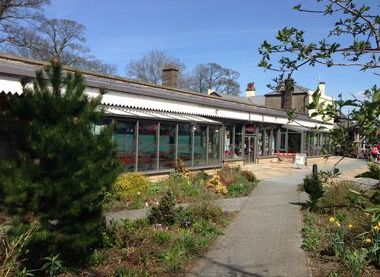
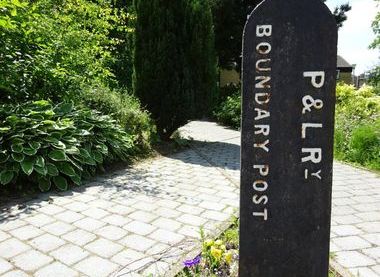
The Preston and Longridge Railway was opened in 1840 to facilitate the movement of quarried stone from Longridge to Preston originally as a gravity railway. The potential of the railway for transporting not just stone but large quantities of coal paved the way for the construction of steam powered cotton mills. In 1848 steam trains were introduced and passenger services continued until the 1930s. The railway line was finally closed in 1968. Longridge railway station was renovated in 2010 and houses the Heritage and Visitor Centre, Longridge Town Council Offices and The Old Station Café.