St Matthew's - The Story of Walsall
St Matthew's Church, St. Matthews Close, Walsall, West Midlands, WS1 3DG
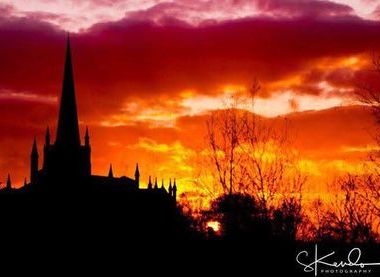
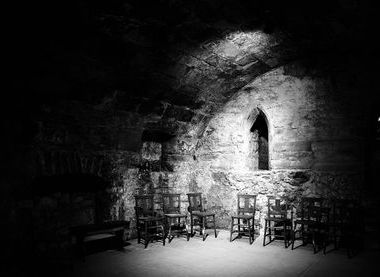
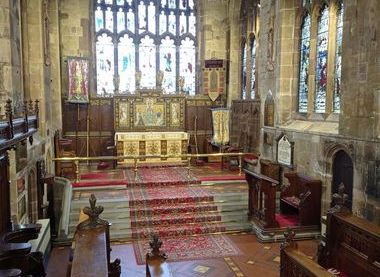
Tours of the 850 year old church with displays and guides to answer questions. See Civil War damage in the chancel; the early 19th century ceiling; the medieval crypt; the bell ringing chamber and a rare external archway.
Visitors will be greeted and guided around our church. Like an art gallery, visitors can dwell in areas of interest and move on as suits their interest and time available. Tours will help visitors understand how evidence of stories and events from centuries ago can still be seen today. Refreshments are available.
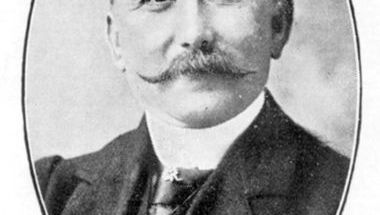
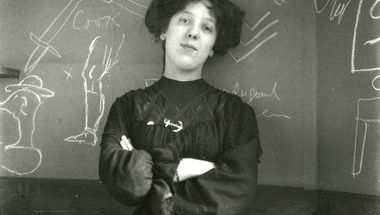
Inside see our early 19th century nave where a huge gas explosion occurred, and a 15th century chancel with a set of 18 finely carved misericords or choir stalls. The medieval crypt is by far Walsall’s oldest building. The 14th century font shows coats of arms of local families. A monument to the 14th century knight Sir Roger Hillary of Bescot. There are stained glass windows - notably the East Window dedicated to Sister Dora - and impressive monuments, one to a survivor of the Charge of the Light Brigade. one commemorating the Walsall Mayor who drowned in the arboretum lake.
Admire the church tower with its tall spire, the 15th C archway under the chancel, and a fine view - great for photographs - across Walsall town centre to the surrounding hills.
St Matthew's Saturday Heritage Open Day has associated events - a Teddy Bears Picnic in the Memorial Gardens, Music on the Green and "Let the People SIng". See local publicity on our website.
St Matthew's Church, St. Matthews Close, Walsall, West Midlands, WS1 3DG
A few areas are not safely accessible for those with limited mobility, though much of heritage interest is accessible to wheelchair users.
Much of Walsall's heritage and history is rooted in St Matthew's - the first meeting place of the Town Council, the first meeting place of the town's Guilds, its oldest building, the first schools, an early fire station, the first police station, the first workhouses and Alms houses. Many features are of regional importance, some significant nationally - most notably the clock face, the bells, the chancel arch and the Paupers Gallery.