The World's First Steam-hauled Passenger Railway
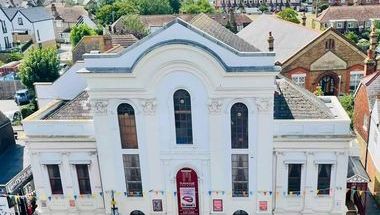
Whitstable Museum, 5A Oxford Street, Whitstable, Kent, CT5 1DB
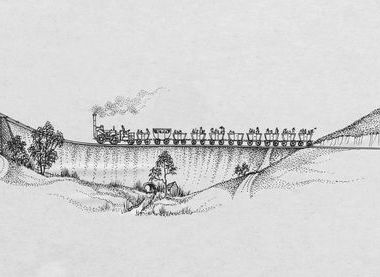
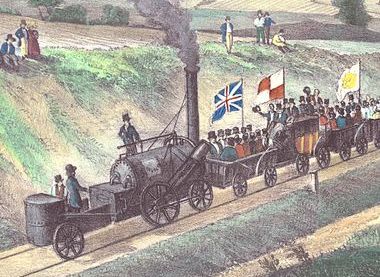
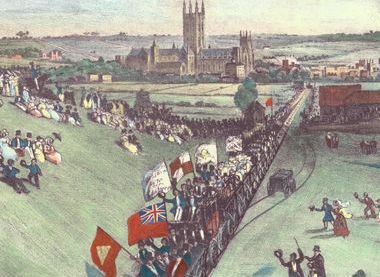
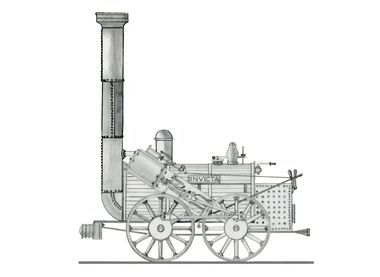
Rail or track ways were commonly used in the eighteenth century to move coal and rock in mines and quarries, powered by donkey, horse or man. Each had a specific purpose, as required by the owners. The idea of a public railway, where many people can transport goods by a single railway, became a reality with the Stockton & Darlington Railway, 200 years ago in 1825. Almost unexpectedly, people realised the benefits of rapid transport between towns and the S&D started a horse-drawn passenger service (as this was faster than the locomotives!).
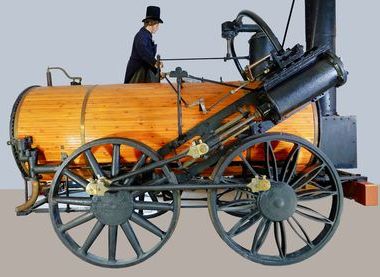
In 1830 the Canterbury and Whitstable Railway opened, designed by William James and later George and Robert Stephenson. The Crab & Winkle, as it later became known, was the second public railway and the first to have a regular passenger service, four months before the well known Liverpool and Manchester which opened in September 1830. Locomotive Invicta can be viewed as designed by Robert Stephenson and in surprising good condition with few modifications. The restoration of one of the C&WR stationary winding engines can also be viewed. A book published by Whitstable Museum explains Invicta in detail and a second highly-illustrated book covers the railway.
Whitstable Museum, 5A Oxford Street, Whitstable, Kent, CT5 1DB
The museum has plenty of challenging activities for children.
Games and challenges for children from age 3. Museum displays also cover helmet diving, fishing, the actor Peter Cushing and wooden shipbuilding.