The working life of Turvey over time
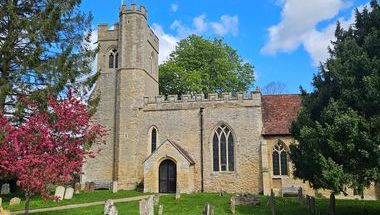
All Saints Church, High Street, Turvey, Buckinghamshire, MK43 8EP
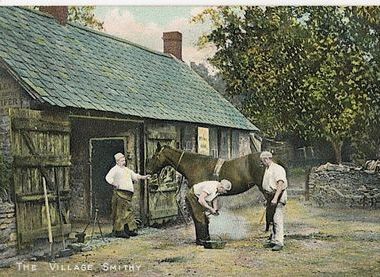
Drawing from research undertaken by Turvey History Society and a wealth of material on our website our exhibition for this year’s Heritage Open Days aims to explore some of the occupations that have been important in the life of this village since Domesday, how these have changed over time and the factors that have led to these changes.
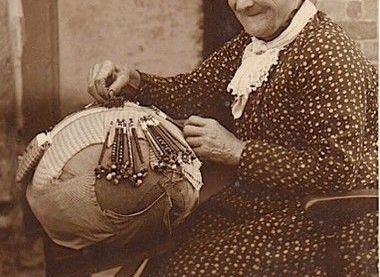
Visitors will learn about occupations characteristic of this rural village - for example, the working life of agricultural labouring families where, from the 17th century, lace making by the women and children of these families came to be fundamental to supplementing family income; the range of trades from bakers to wheelwrights to a Victorian doctor which enabled the village to be self-sufficient; and the changing industries which used Turvey Mill.
The exhibition will also explore the factors which changed the working life of Turvey, including technology and transport (for example the coming of the railway) and education and broader social changes affecting, for example, the employment of women and children.
The exhibition is self-guided but at times representatives from Turvey History Society will be present to answer questions.
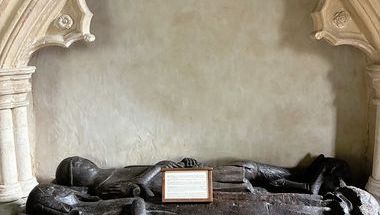
Visitors can also take the opportunity to look round the historic church with its Saxon origins, 13th century wall painting and magnificent 16th century tombs to the Mordaunt family, the Lords of the Manor who had strong connections to the Tudor Court.
All Saints Church, High Street, Turvey, Buckinghamshire, MK43 8EP
The path up to the church is a slight slope and although wheelchair accessible visitors should note that the path is partially uneven. The light switch for the north aisle lights (where the exhibition is) is by the door – please turn the lights off if the church is empty when you leave. Parking – centre of the village next to the church church or layby on A428 just before the bridge. The village is well served by two pubs and village shops for those seeking refreshments.
Allow up to an hour to view the exhibition. In addition there are a number of interesting features in the church (including the large monumental tombs of the Mordaunt family, who were Lords of the Manor in the 16th Century)