
Every town has its landmarks. The big church. The war memorial. The old pub that keeps its original name in local memory, even after its sign has changed. But beyond those familiar spots are the stories: the ones scribbled in the margins, folded into census returns, tucked between the classifieds of a local newspaper.
The ordinary lives, working days and small acts that quietly shape the places we call home.
And once you start looking, it’s hard to stop.
From place to people
Local history begins with a place – a street, a village, a workplace – but comes alive when you delve deeper into the records to understand the lives of the people who lived there.
Findmypast brings those layers together in one place, making it easy to discover stories from your town’s history.
- Census records showed who lived where, with whom, and how communities evolved over time. Was your village known for its shoemakers, its brave fishermen, or perhaps it collectively fought for workers’ rights?
- Parish records root families in streets across generations.
- Trade directories and apprentice records reveal how people made a living.
- Newspapers showcase adverts from local businesses, strikes, court cases, school events, shop openings, and more.
To inspire you, here are just a few of the everyday stories uncovered in Findmypast’s records. These aren’t stories of the famous or the powerful. They’re stories of persistence, care, and everyday resilience. And they’re exactly the kind of histories we’re inviting people to uncover this year through our work with Heritage Open Days.
The lady station master
Whippingham Station on the Isle of Wight may have closed in 1953, but did you know it was once home to one of England’s first women station masters?
Whippingham opened in the 1870s to serve the Royals as they headed to Osborne House for their holidays. By combing through newspaper articles and census records, we found Mrs Emily Merwood working as the stationmaster, booking clerk, porter, gatekeeper, and signalman – single-handedly running this little train station. She did this for over a decade, and legend has it that even Queen Victoria herself knew who she was.
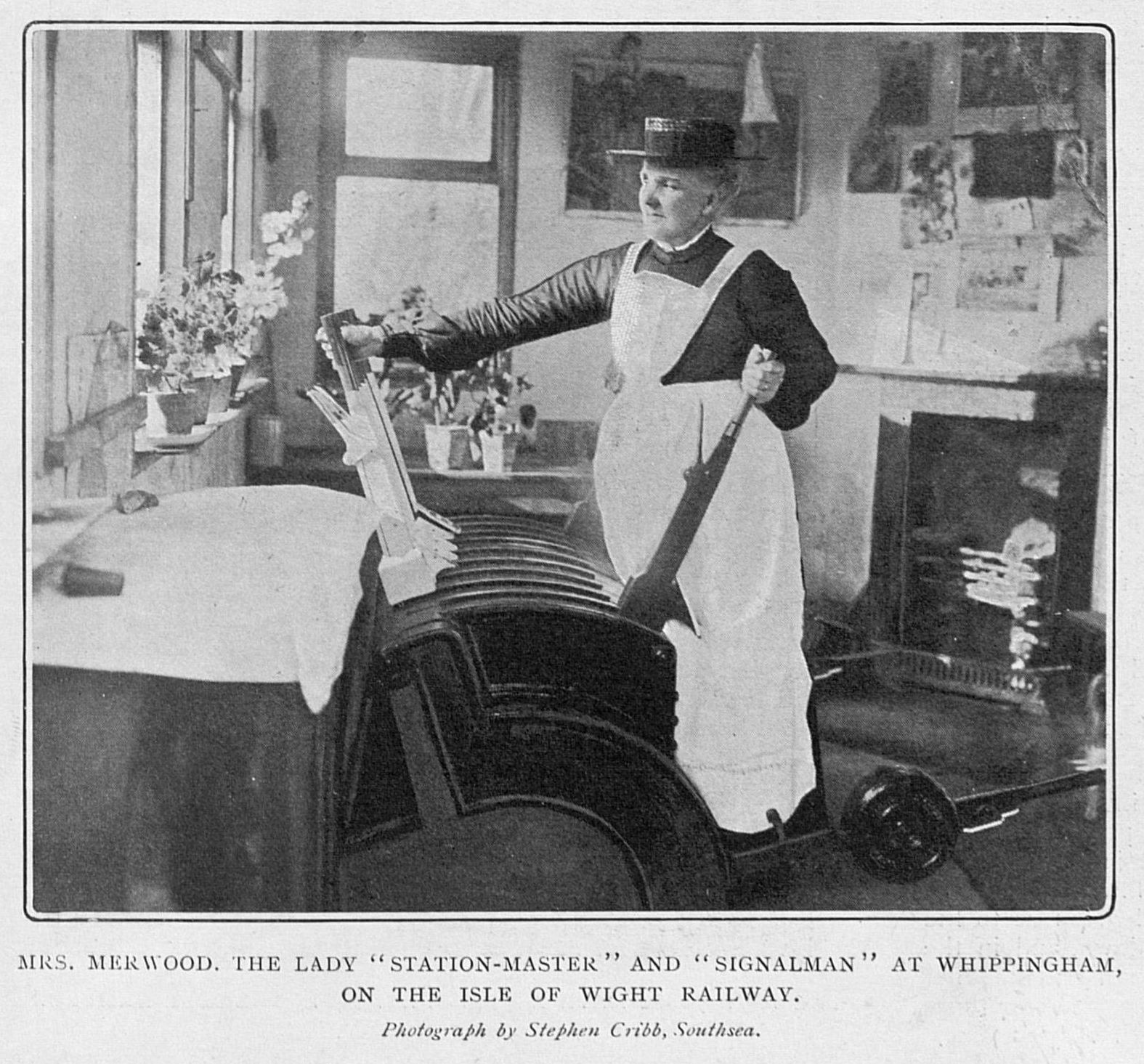
Emily Merwood ran the station at Whippingham. She’s pictured at work here in The Sketch, 9 December 1903. (© Illustrated London News Group. Image created courtesy of The British Library Board)
The most decorated lifeboatman
Cromer’s own Henry George Blogg was three times awarded the RNLI’s gold medal, the silver medal four times, in addition to the George Cross and the British Empire Medal.
Why? Well, this humble Norfolk fisherman was also a volunteer lifeboatman. We can delve into his most famous missions in the newspapers, from the rescue of the crews of the Pyrrin and the Fernebo in 1917, to helping survivors of the SS English Trader in 1941.
On his death aged 78, Henry was credited with helping to save nearly 900 lives during his 53-year-service: a true local hero.
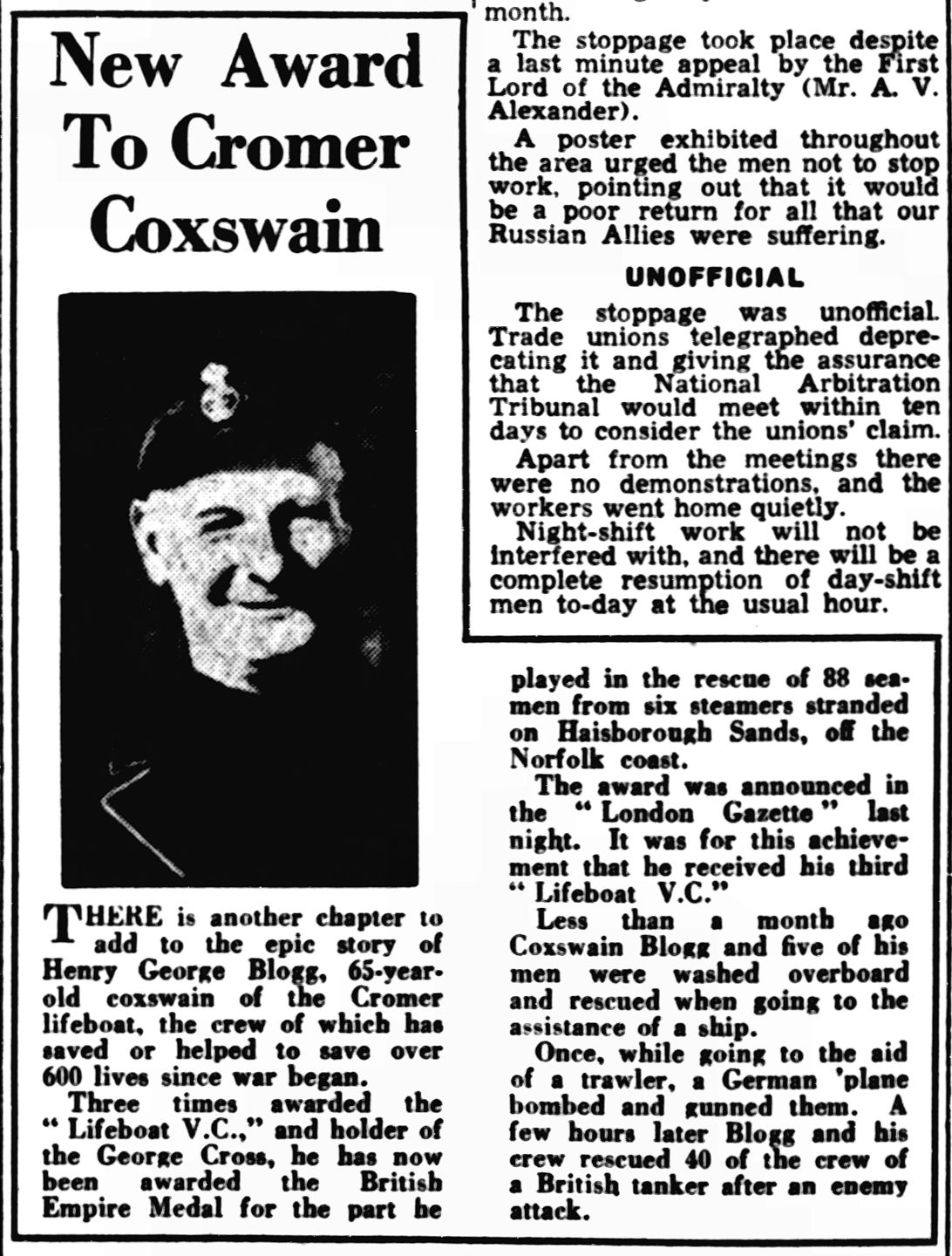
Local hero, Henry Blogg, pictured in Bradford Observer, 19 November 1941. (© Successor rights holder unknown. Image created courtesy of The British Library Board)
The ‘arms girl’
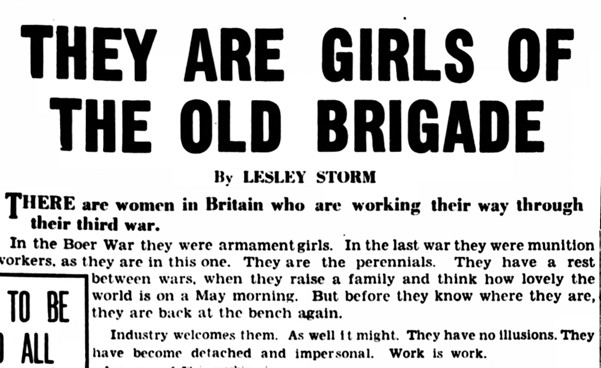
In 1941, as the Second World War raged at home and abroad, Mary Ann Cottrell was thought to be the country’s oldest female munitions worker. The Brandauer factory in Birmingham had shifted from its typical work of crafting steel pen nibs to munitions and parts for aircraft. Living just north of New Street Station, Mary would have witnessed firsthand the devastating impact of the Blitz.
But this wasn’t the first time Mary had helped a war effort. Newspaper articles reveal she was an ‘arms girl’ in both the First World War and the Boer War.
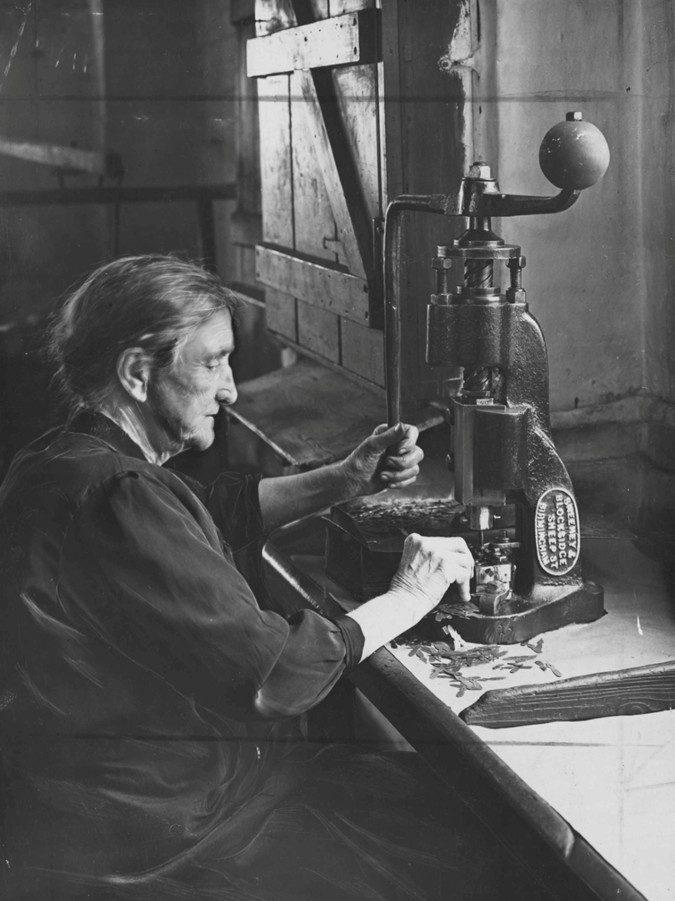
Mary at work, pictured in the Findmypast Photo Collection. (© Mirrorpix / Reach PLC)
The miner turned local labour leader
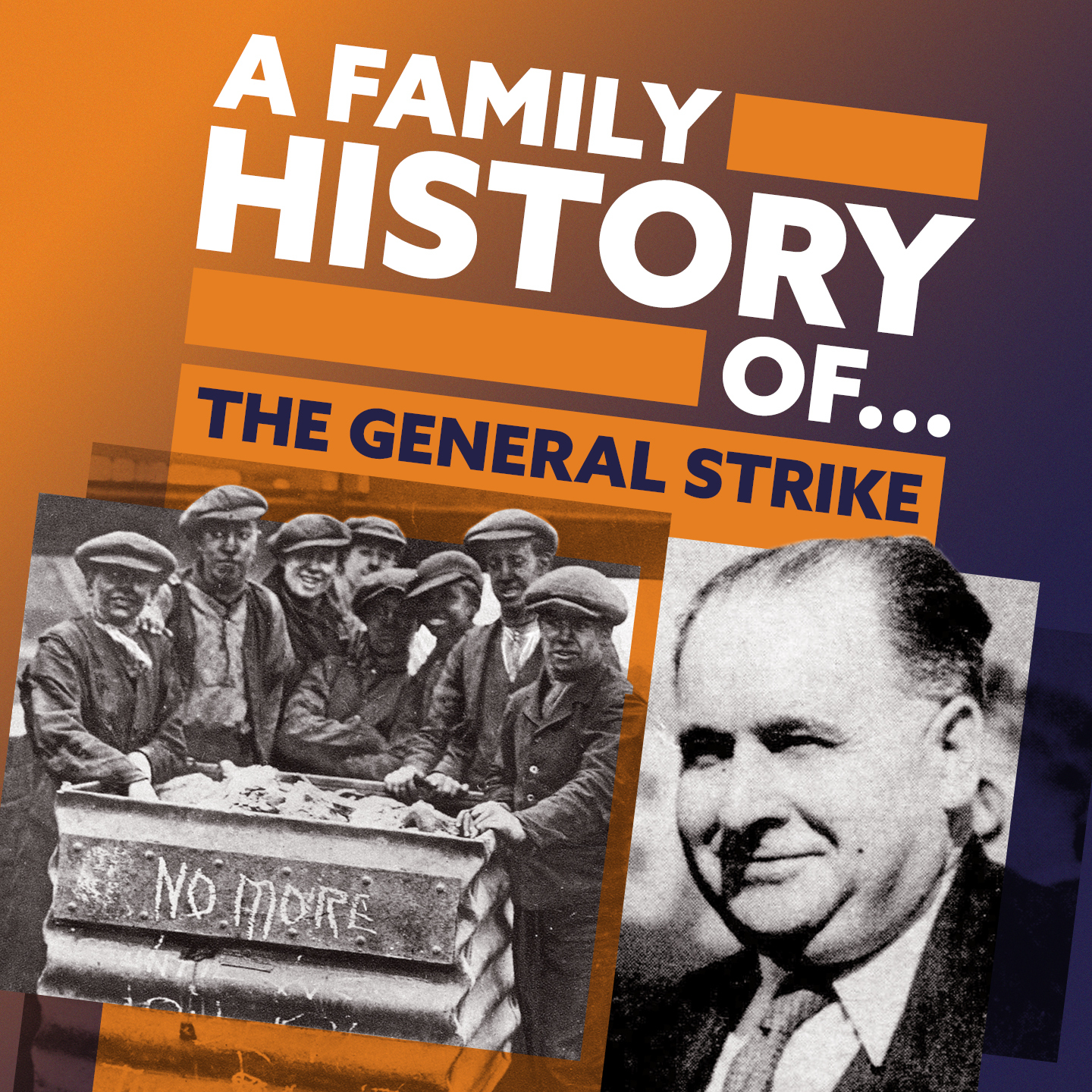
The 1926 General Strike was a moment that rippled through households and communities across the country but was felt especially deeply in places shaped by mining. In Choppington, Northumberland, coal wasn’t just an industry: it was the backbone of family life. When the strike came, it meant empty cupboards, mutual aid, collective decision-making, and a profound sense that neighbours had to rely on one another. Local miner turned labour leader, Will Lawther, is the focus of Findmypast’s podcast ‘A Family History of…'
Will’s story is a perfect example of Everyday Histories in action: where big ideas and policies meet lived experience. By combining oral history, newspapers, and employment records, the podcast reveals what records alone can’t always show: how national events landed at a very local and personal level. How they sounded in the street. How they felt at the kitchen table. You can listen now wherever you get your podcasts or enjoy the full video episodes over on YouTube.
Ready to explore your town’s history?
Now you’re picturing your own town, aren't you? You’re wondering about the story behind the name of your local park. The industries that helped craft the landscape of your village. The local heroes who deserve to be remembered. The good news is that it’s easy to discover the stories behind your town.
This year we're working with Heritage Open Days to encourage more stories to be explored and shared. Together we have a range of resources and opportunities to support and encourage you. Check out the festival theme page in the ‘Find out more’ section below for details.
Celebrating England’s 'Everyday History Heroes'
To help shine a light on the people and groups doing this brilliant work, Findmypast has launched the ‘England’s Everyday History Heroes’ competition. It’s a chance to recognise the local researchers, volunteers and community teams who uncover, preserve and share the stories of their area – often under the radar, and usually unpaid. If you’ve ever thought “this story matters” while digging through records, this competition is for you.
Why ‘Everyday Histories’ matter
Local history isn’t about nostalgia. It’s about recognising that the places we live in were built day by day, by people who worried about money, looked after neighbours, learned new skills, went on strike, fell ill, celebrated, carried on.
The tools to uncover those stories have never been more accessible. What we’re seeing now – through this year’s festival theme, the competition, and the conversations sparked by the podcast – is what happens when people are given the time, support and encouragement to go looking.
Something closes the distance between past and present.
And suddenly, history feels like it belongs to all of us.
Find out more
- Findmypast
- Everyday Histories – festival theme hub page with more inspirational stories, prompter questions and resources.
- Everyday History Heroes competition
- Getting started with family history – guidance from Findmypast to help you start and deepen your research.
- Findmypast podcast – ‘A Family History Of…’