
Theme 2026: Everyday Histories

Exploring daily working life through the ages
The butcher, the baker, the candlestick maker - what did your ancestors do, and what was their daily life like? In 2026 we’ll be exploring stories of working lives, from learning a craft to establishing routines and cherished rituals. What will you discover in our factories, kitchens, dockyards, gardens and beyond?!
 Inspiration
Clocking on, and off!

L-R: A group of women workers at the British Oil Cake Company taking a tea break, a time card clock, and a Medieval miniature of a baker and his apprentice baking bread.
- Dolly Parton famously sang about working ‘9 to 5’ – but where did that idea come from? When does work begin and end?
- What tasks and rituals make up a typical day? Where have they come from – have they been mandated, granted or fought for?
- From a standard tea break to social clubs and community holidays - how have people been able to take a break? What do they do, where do they go?
Meet the experts, and the unsung heroes

- From ancient crafts to modern craftspeople, what skills or training are needed for different roles? How and where could you learn?
- What about the homeworkers or those often invisible in the wider chain? Who’s been excluded from employment? Who laid the railway lines? How many people helped bring tea to our tables?
- From medieval alms to NHS responders during the pandemic - how have volunteers contributed throughout history?
How was working life depicted through the ages?

- From commercial adverts to famous paintings and films, how realistic are these images and what can they tell us?
- Who is in the picture - and who is missing?
- What are they doing - or not doing?
Stories of everyday lives
Exploring family connections
Are there mysteries hidden in your family history? Experts from Findmypast and Calke Abbey join forces to help visitors unravel their pasts and track their ancestors' journeys. Incredible stories about the people who lived and worked at Calke Abbey will be showcased, and eye-opening talks from genealogy experts will reveal the life-changing power of family research.
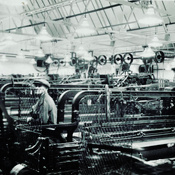
Open day activities - Educating the workers
Step inside Holmfirth’s historic Technical Institute to discover its role in educating workers for the wool industry. It was built in 1894 and run by local businesspeople. Celebrate its early years at this special open day, with a pop-up exhibition, archive displays, guided tours and hands-on activities, plus a quiz celebrating working-class learning and local heritage.
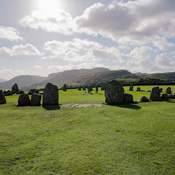
Tour - Life in the stone age
Join a tour to explore the day to day lives of the ancient settlers who built Castlerigg Stone Circle, in many ways not too different to our 21st century living! Discover what their houses might have looked like, what they ate and how they farmed. You can also handle items from the Neolithic collection at Keswick Museum to get a feel for the life you might have lived 4,500 years ago.
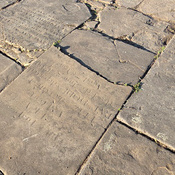
Performance - Beneath this ground
One of Newcastle’s oldest surviving nonconformist burial spaces, it was known for its affordable burial fees and became the final resting place for many of the city’s working poor, including people of different faiths. A moving performance of poetry and fiddle music brings their stories to life in this historic and atmospheric setting.
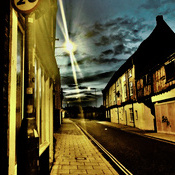
Walk - On this street
Discover whose footsteps you’re walking in as you take a stroll down this historic street with local guides. Due to its location next to the river, King Street has long played a vital role in the city. It has been associated with fishing, riverside trade and industry; home to 58 pubs, four churches and a priory, as well as noblemen’s houses, industrial units such as breweries and manufacturing, and appalling slums.
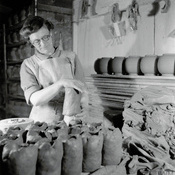
Film - The pottery industry
Watch a special archive film show celebrating the North Staffordshire Potteries. Sit back and enjoy as you’re taken on a ‘guided tour’ through the history of the pottery industry, including interviews with pottery managers, workers and ceramic historians.
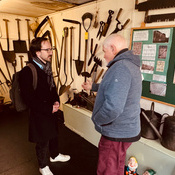
Open Day - Caring for the walled garden
Much of the horticulture practiced 200 years ago is still practiced today and many of the techniques used now were brought to the UK by the Romans. Visit this historic walled garden and its tool shed to explore our gardening history. Built c.1820 as the fruit and vegetable garden for Meersbrook House, its walls would have been used for growing fruit trees and you can still see the numerous holes left by nails used to support the trees. The shed was built at the same time and has a collection of old and interesting tools that the team have added to as a reminder of the generations of gardeners who worked here.
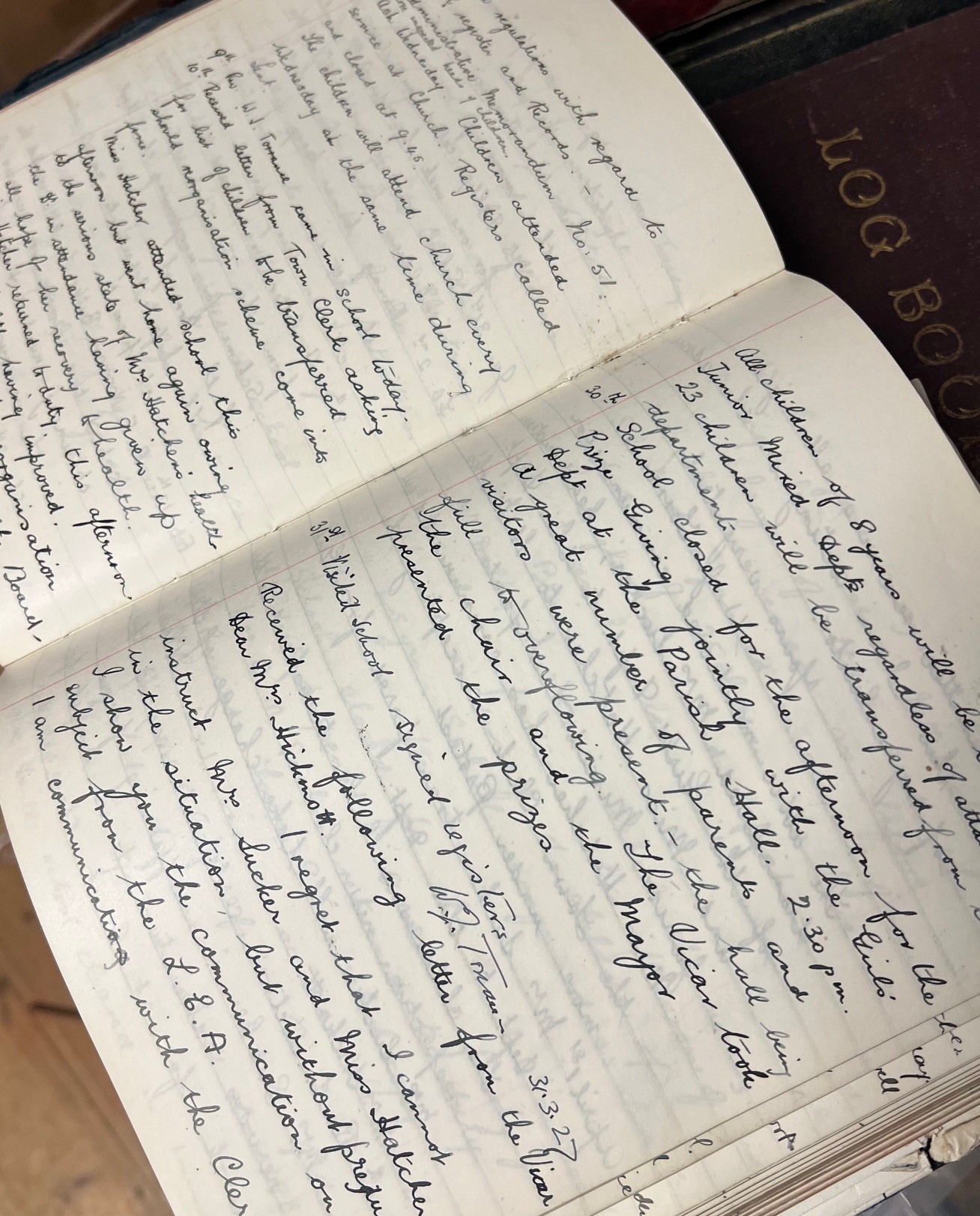
Archives hold the most incredible stories and there’s lots of help to guide you through the records. From the national census to local newspapers, employment records to school teachers' reports – there’s a wealth of data out there! What stories will you uncover?

Findmypast – the home of British and Irish family history
Explore billions of detail-rich records and local, regional and national newspaper archives to understand the lives, lifestyles and livelihoods of our ancestors.
- Archives Hub – A vast index of potential sources (and stories!) gathered from 300+ institutions across the UK.
- The National Archives ‘Discovery’ – Records from over 2,500 archives with subject specific research guides.
- The British Newspaper Archive – Millions of pages from local and regional publications dating from the 1700s. Newspapers are an extraordinary resource, not only for the articles documenting events and issues of the day, but also the letters to editors, announcements and advertisements. You can search for results and view your first 3 documents in full for free – though you will need to register with the site first.
- Medical Officer of Health District Reports – A deep dive into these reports on the general health of a local population can uncover gems of daily life, such as what people ate at a football match!
- Working Class History – Website and podcast dedicated to recording stories of ordinary people fighting for a better world.
- What could you buy with a working class wage? – Useful notes from research on 20th century working life, by the University of Warwick.
- General Strike 100 – Many places across the country will be commemorating the centenary of the UK's last General Strike.
- The Museum of English Rural Life – Check out their online galleries and podcast for stories of rural life from seasonal superstitions to medieval pigs, and coal mining in the landscape.
Ask your local experts too!
Don't forget, your best resource for local stories is your community. Heritage Open Days is a great way of bringing people together, and these new connections can help make your event extra special.
- Put a call out through local media or hold a coffee morning to discuss options.
- Try organisations like your local museum, library or archive / interest groups and societies.
- Connect with other local organisers through the festival network – search the database in your Organiser area, join the national webinars, or our Facebook group.
 Opportunities and top tips
You don't have to link to our theme but it does offer you extra opportunitites to attract new partners, visitors, and media attention!
Make your registration stand out
- Add an image (not a poster!) - Almost all press requires an image, and it really helps attract visitor attention in the directory. You can add up to 5 and a variety is useful but make sure you put your best one first. Also, avoid text heavy posters or logos.
- Give it a good event name - A snappy or intriguing title encourages people to click and find out more.
- Tick the theme box - So we can find your event in the directory search!
- Register early! - The sooner you register, the greater the opportunities for promotion. Don't get lost in that final deadline rush.

Timeline
| April |
Long lead press release Initial review of applications for Findmypast passes |
| 1 June |
Event directory launch Application deadline for Findmypast passes |
| 25 June | Event submission deadline for Findmypast competition |
| 30 June | Nomination deadline for Findmypast competition |
| July | Festival Spotlight featuring 'Meet the Expert' events |
| 13 August | Registration deadline |
| August | Festival Spotlight featuring themed events |
| 11-20 Sept | The festival! |
**Applications for this subscription offer have now closed**
Get your research off to a flying start with a free 3-month subscription to findmypast.co.uk.
100 passes are available for organisers to explore billions of genealogy records and millions of newspapers dating back to the 1700s. Uncover the ups and downs of your relatives’ daily lives, pinpoint the details of their milestone moments and learn where they lived, worked and travelled over time.
Criteria
- The research is used to create an event for Heritage Open Days 2026.
- Findmypast are credited within your event entry and at your event – we can support with this.
- Only one pass per organisation.
Apply for your pass
Applications will be reviewed from April, and granted with consideration for geographic and organisational diversity.
Deadline: 1 June but may close earlier if the full quota is reached.
Nb. This offer is only available to members of the Heritage Open Days community.


Everyday History Heroes Competition!
Get extra promotion and the chance to win £1,000 with this special competition from Findmypast.
 Resources

Theme logos
- Pink Everyday Histories logo - PNG (721 KB)
- Blue Everyday Histories logo - PNG (727 KB)





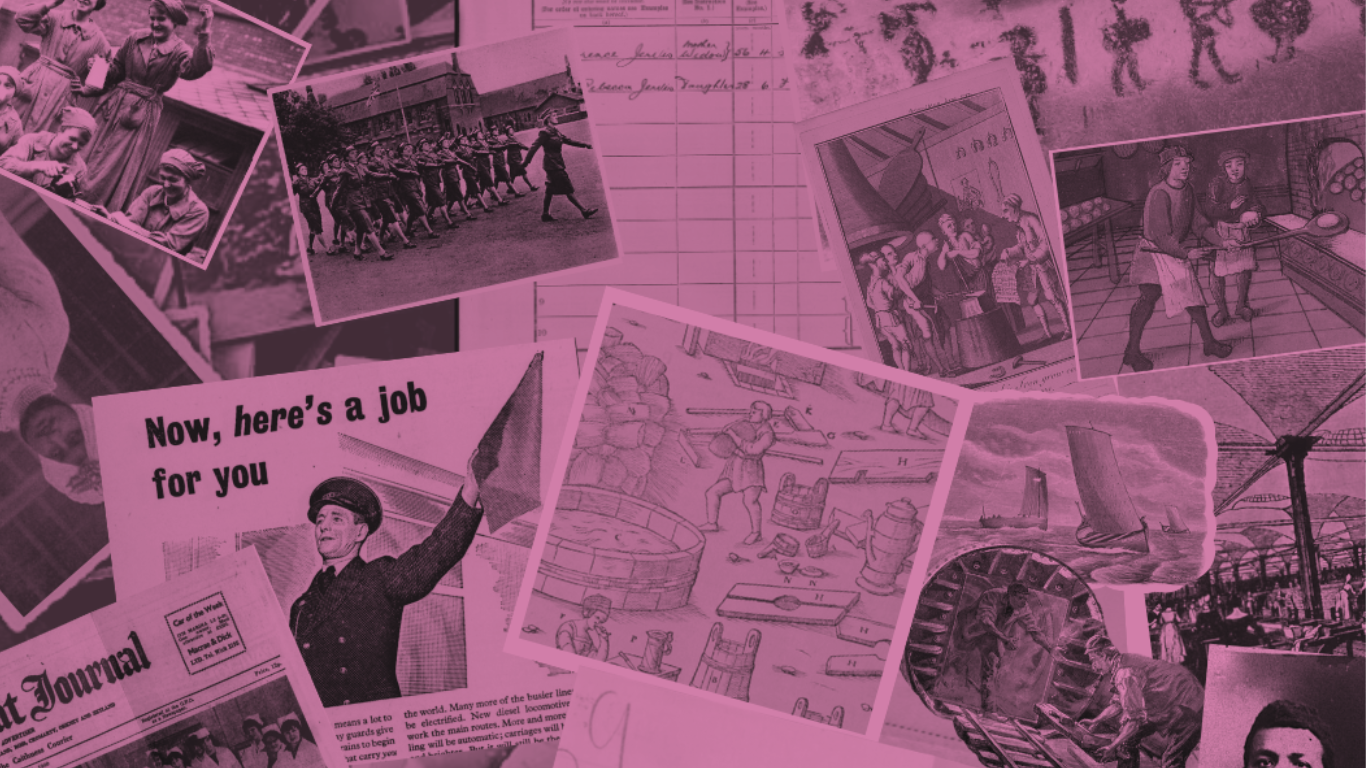
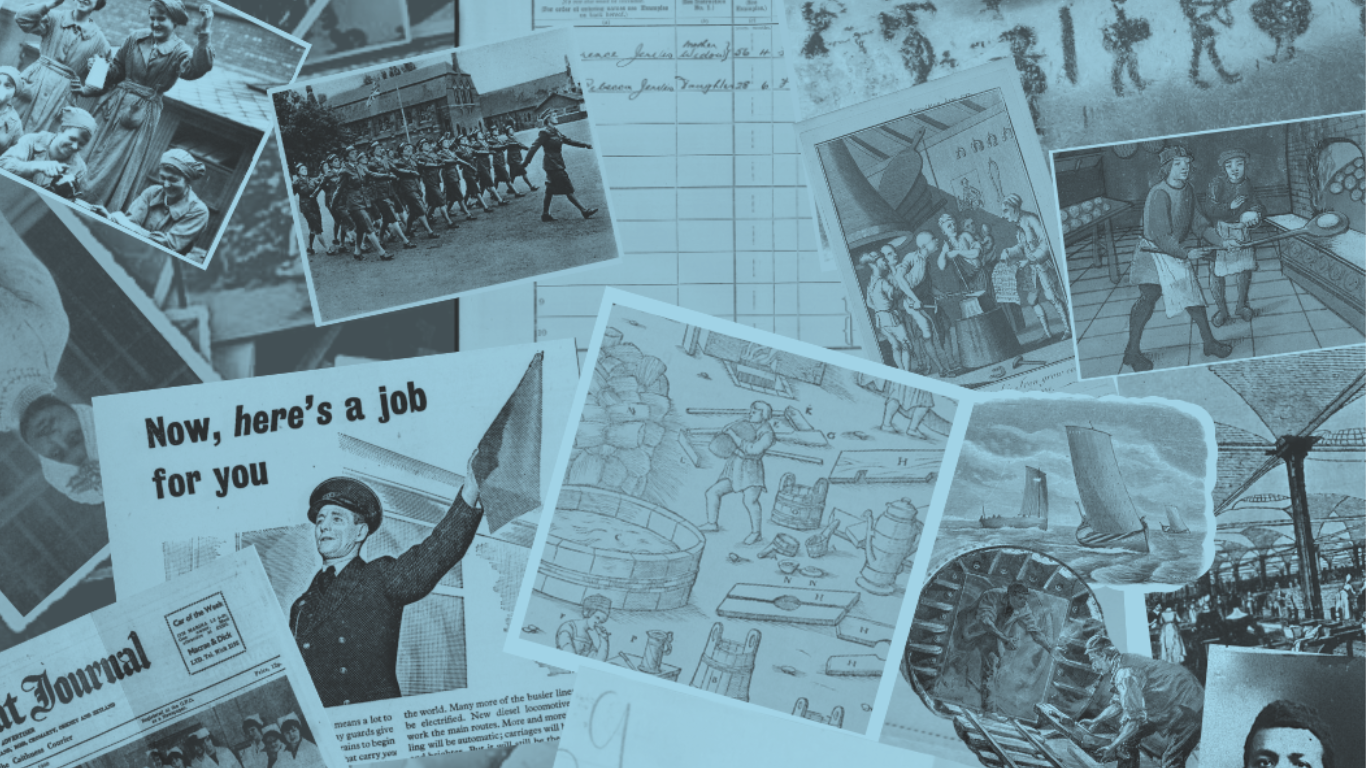
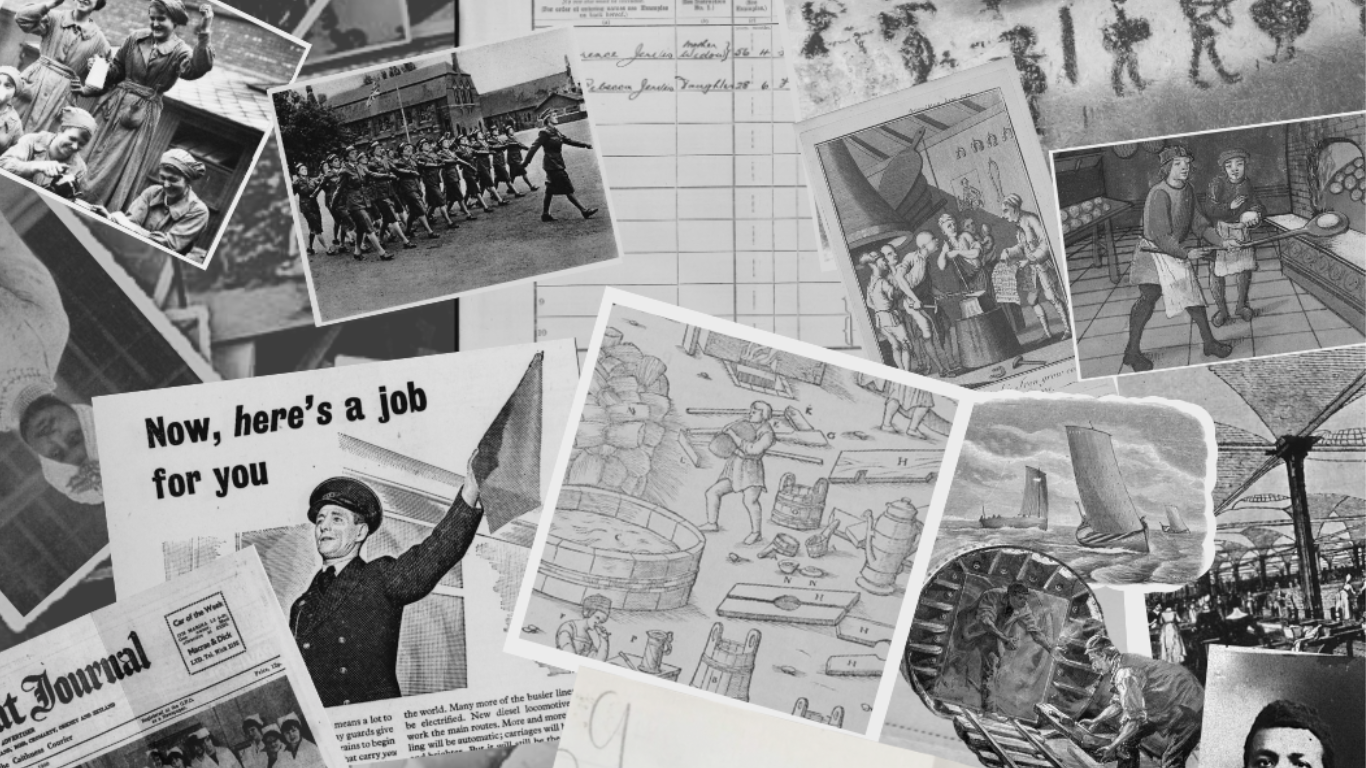
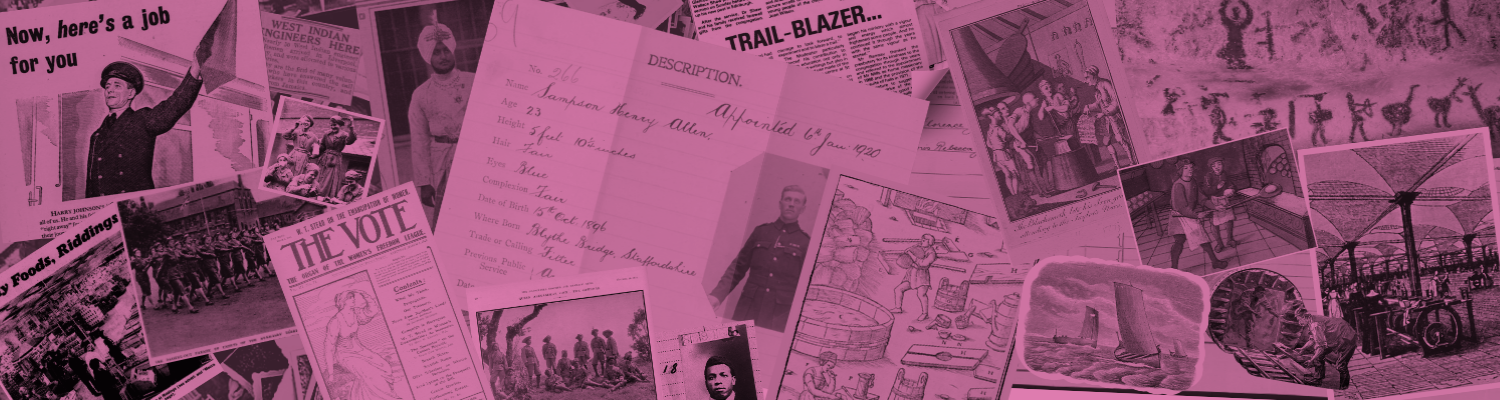
We’ve put together easy-to-use templates on Canva, a free online design platform, where you can update text and add images to promote your event.
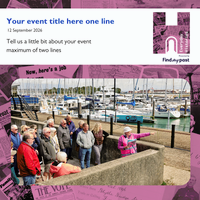
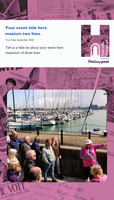
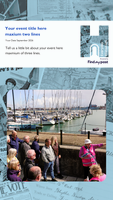
Tips for using our templates
- To use the template, simply follow the links above, create a free Canva account, update the text and drag and drop an image on top of our sample image.
- Each post is the correct dimension for each platform.
- Try not to move text or images around to ensure the posts remain consistent with our brand guidelines, and do not change the fonts from their default font.
- We recommend exporting Instagram stories as MP4 videos, that way you can set the length of the story to ensure users have enough time to read your content. For square Facebook, Twitter, and Instagram posts it is best to export as a PNG.
Troubleshooting?
If you find you are having trouble using Canva – you can watch the Canva 101 video to find out how to get started. If there is a problem with one of the above templates, email [email protected]
Ready to register?
Our theme isn't mandatory but registration is. All events must be registered by 13 August, but the sooner the better! You can join the community at any time to access all the resources and be kept updated.
If you have questions or want to discuss anything then please don't hesitate to contact us.
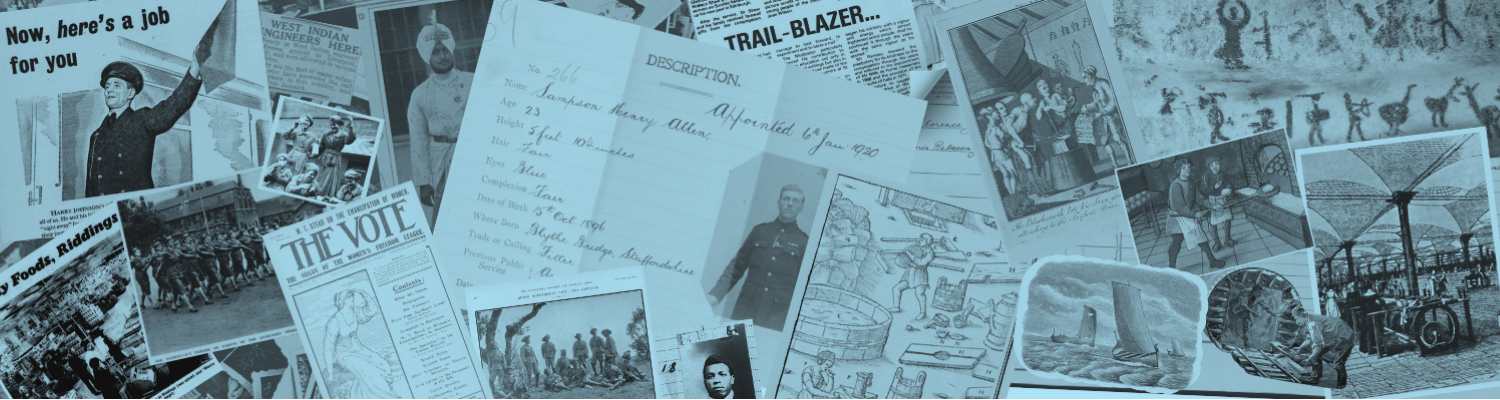
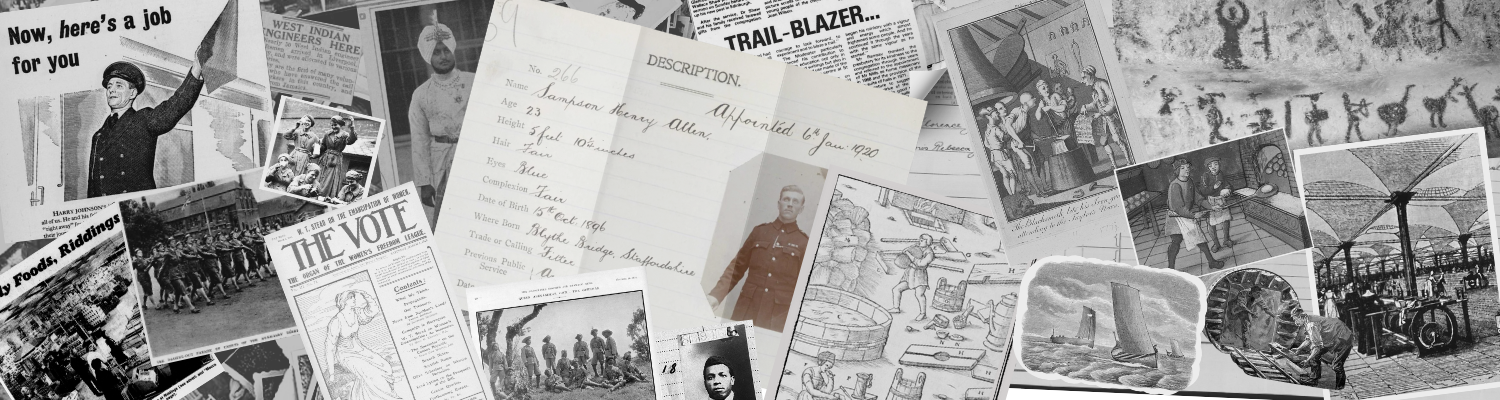
Image Credits
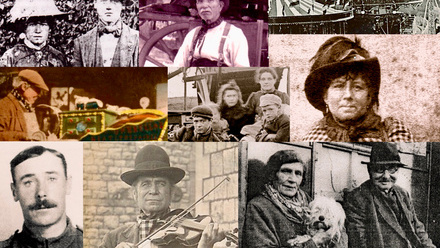
A selection of images have been provided courtesy of Findmypast for this year's theme, used in designs and on this page:
- Sampson Allen, Plymouth Police Staff Records. © Images copyright Portsmouth City Council Library and Archive Service
- Henry Ethanial Adams, British Merchant Seaman. © Crown Copyright Images reproduced by courtesy of The National Archives, London, England.
- The Vote, 4 March 1911. Image © THE BRITISH LIBRARY BOARD. ALL RIGHTS RESERVED.
- British Railways job ad, Illustrated Berwick Journal, 12 April 1956. Image © Successor rightsholder unknown Image created courtesy of THE BRITISH LIBRARY BOARD.
- Auxiliary Services Cadets march, Illustrated London News, 12 July 1947. Image © Illustrated London News Group. Image created courtesy of THE BRITISH LIBRARY BOARD.
- Women’s Voluntary Service, The Bystander, 20 September 1939. Image © Illustrated London News Group. Image created courtesy of THE BRITISH LIBRARY BOARD.
- Family Foods supermarket. Ripley and Heanor News and Ilkeston Division Free Press, 2 April 1976. Image © National World Publishing Ltd. Image created courtesy of THE BRITISH LIBRARY BOARD.
- Farewell to Dr Shaw, Fife Free Press, 21 August 1976. Image © National World Publishing Ltd. Image created courtesy of THE BRITISH LIBRARY BOARD.
- Gurkha troops. Illustrated Sporting and Dramatic News, 14 November 1914. Image © Illustrated London News Group. Image created courtesy of THE BRITISH LIBRARY BOARD.
- Indian troops provide ‘splendid aid’. Illustrated London News, 19 September 1914. Image © Illustrated London News Group. Image created courtesy of THE BRITISH LIBRARY BOARD.
- West Indian engineers. Liverpool Evening Express, 18 February 1941. Image © Reach PLC. Image created courtesy of THE BRITISH LIBRARY BOARD.
- Windrush anniversary, Sandwell Chronicle, 4 December 1998. Image © National World Publishing Ltd.