Lighting the dark
Hundreds of years ago miners used flaming torches, candles and oil lamps to see underground. They gave good light, but a naked flame underground could be dangerous if it came into contact with methane. Many miners lost their lives when their candles caused the methane to explode.
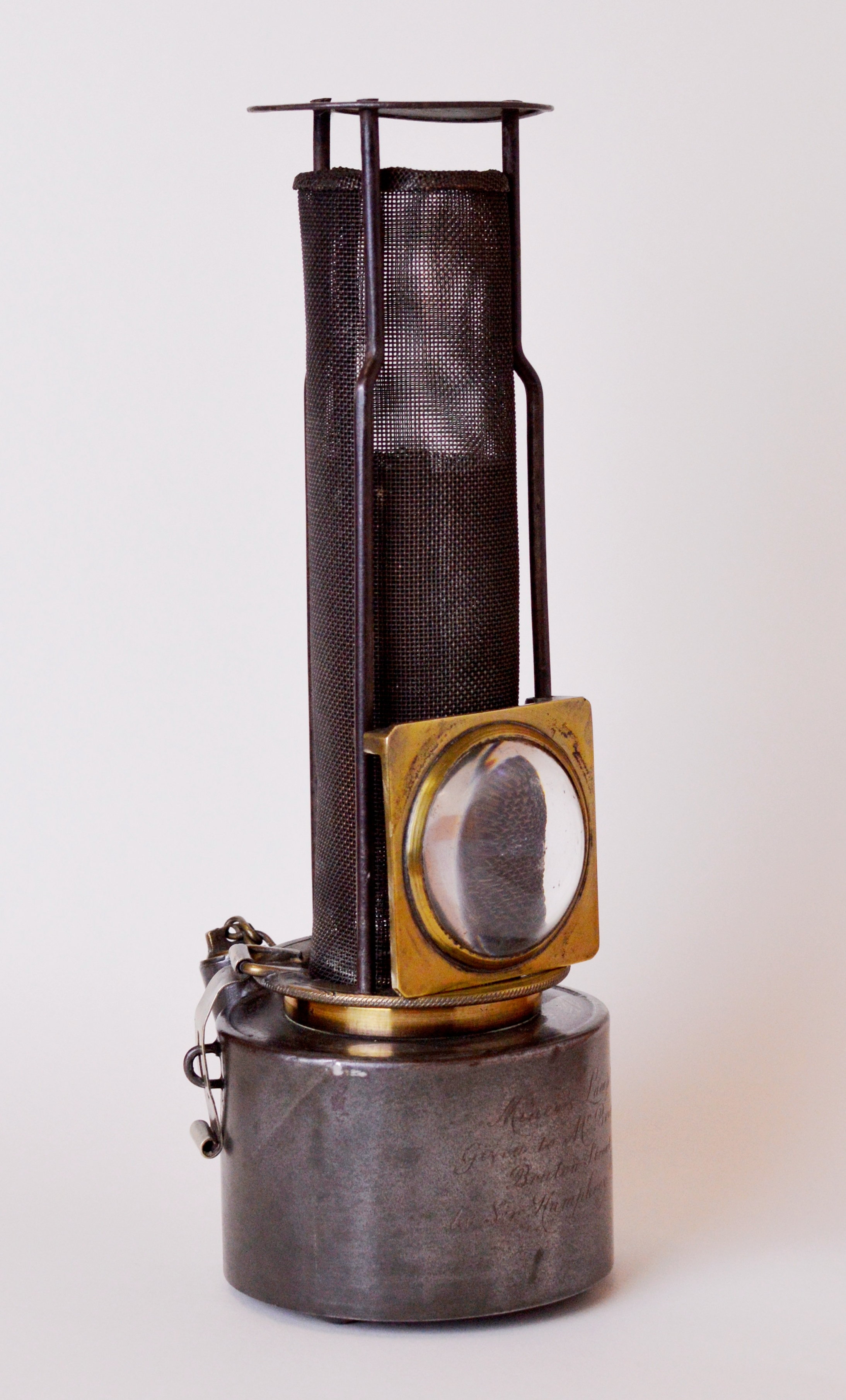
In 1812 the worst mining disaster to date occurred at Felling Colliery in Gateshead, 92 men and boys were killed. Following the disaster a group called the Society for Preventing Accidents in Coal-Mines was formed. In 1815 they wrote to the scientist, Sir Humphry Davy, hoping that he would be able to find a way of preventing further disasters. Through experimenting with methane, Davy discovered the explosion would not pass through a tube. This discovery eventually led to him inventing the ‘safe lantern’. There is some argument as to whether Davy can take full credit for inventing a safe lamp as Dr William Reid Clanny and George Stephenson had both developed lamps before Davy.
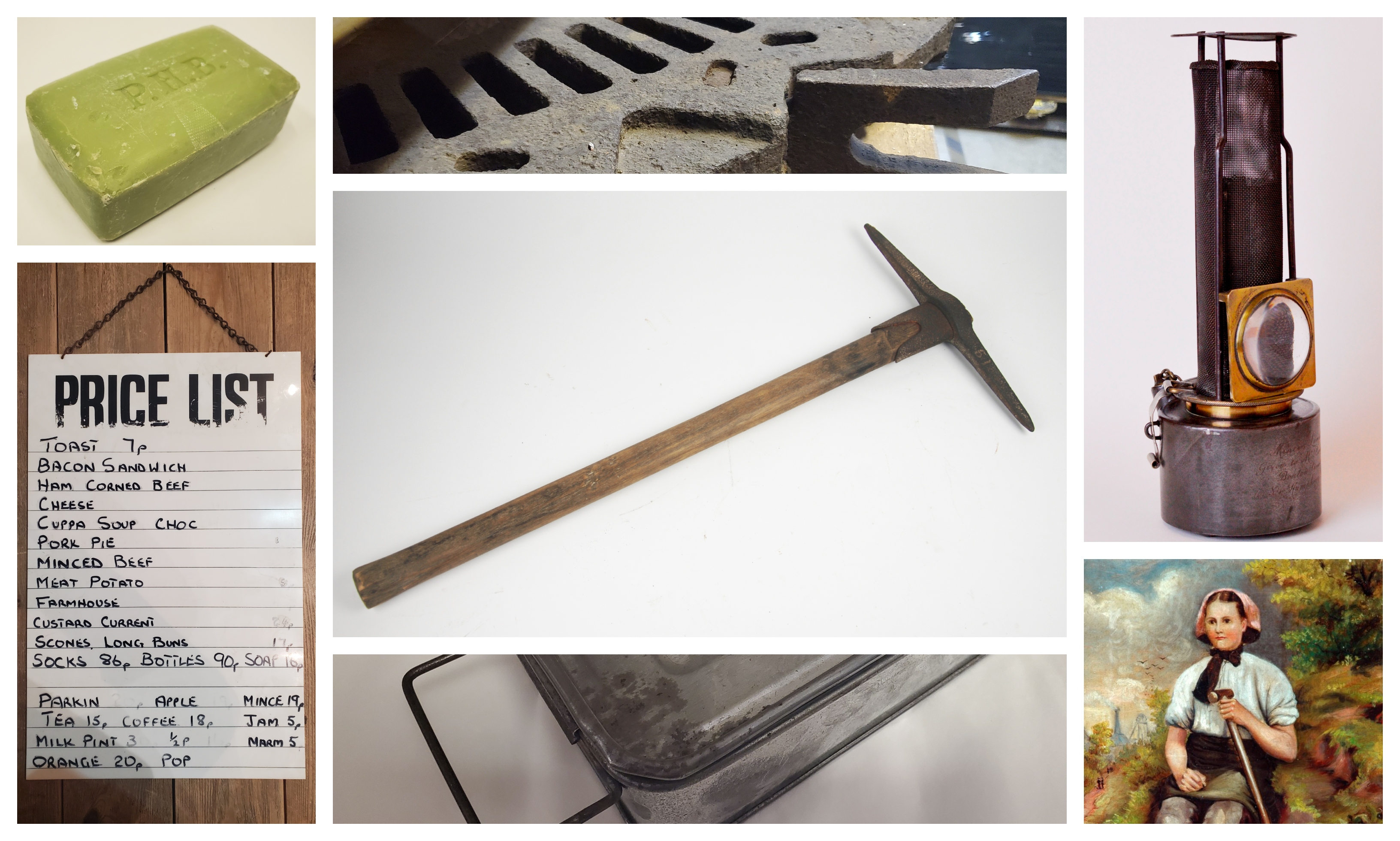
This example is the oldest flame-safety lamp in the collection at the National Coal Mining Museum for England, it dates from around 1818. The lamp was made by John Newman of London, who made scientific instruments for Sir Humphry Davy and for the Royal Institution. Early Davy flame safety lamps gave about a quarter of the light of the naked flames they replaced. Bulls-eye lamps used glass lenses to focus the light into a single point, creating a brighter spotlight. These lamps were especially useful in surveying where reading, writing and observing detail was important. There is an inscription on the base which reads: Miners Lamp Given to Mr Bright Bruton Street by Sir Humphry Davy.
Digging out the coal
One of the earliest machines for cutting coal was the disc cutter. The large spinning disc was powered by a compressed air engine. The machine travelled along the coal face to undercut the coal. Disc machines were in common use in the British coalfields until around 1918 when more reliable chain coal cutters became available.
This cutting disc was made by Austin Hopkinson’s company, Pikrose, and used at Barley Hall Colliery in 1915. Hopkinson also designed one of the first chain coal cutters.
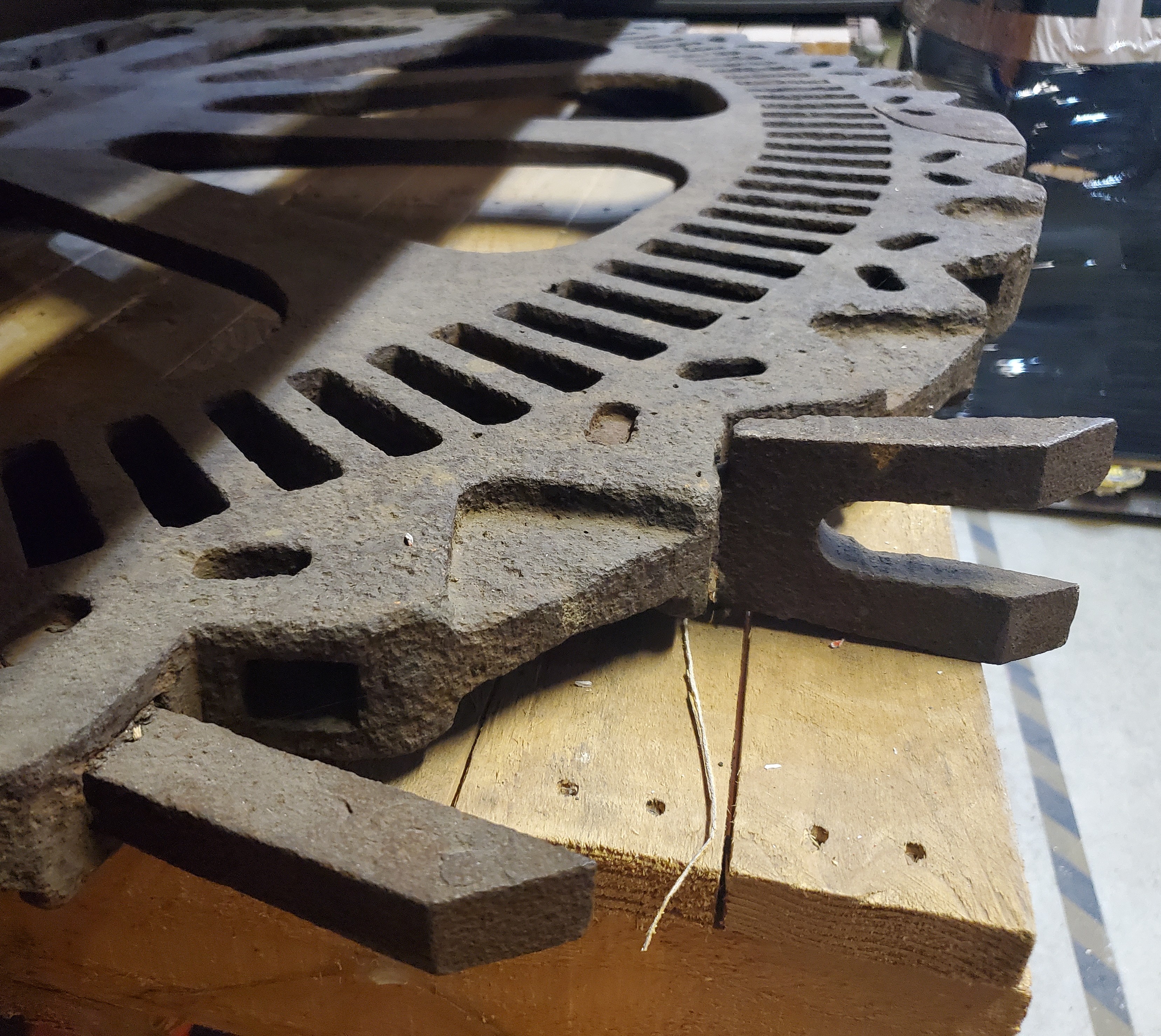
Cutter Disc (© NCMME)
Saving your sandwiches!
Snap tins were a regional name given to miners’ lunch boxes. They were made of strong tin and were airtight to protect the contents from coal dust and mice. It was shaped like a slice of bread and was just the right size for sandwiches. A clip was attached to the tin so it could be hung on a belt or from the ceiling until lunch time. According to one miner: ‘There was a lot of mice in the pit so you had to watch where you put your sandwiches. Those who took their ‘snap’ (lunch) in a paper bag would hang it up but the mice would climb up and find it.’
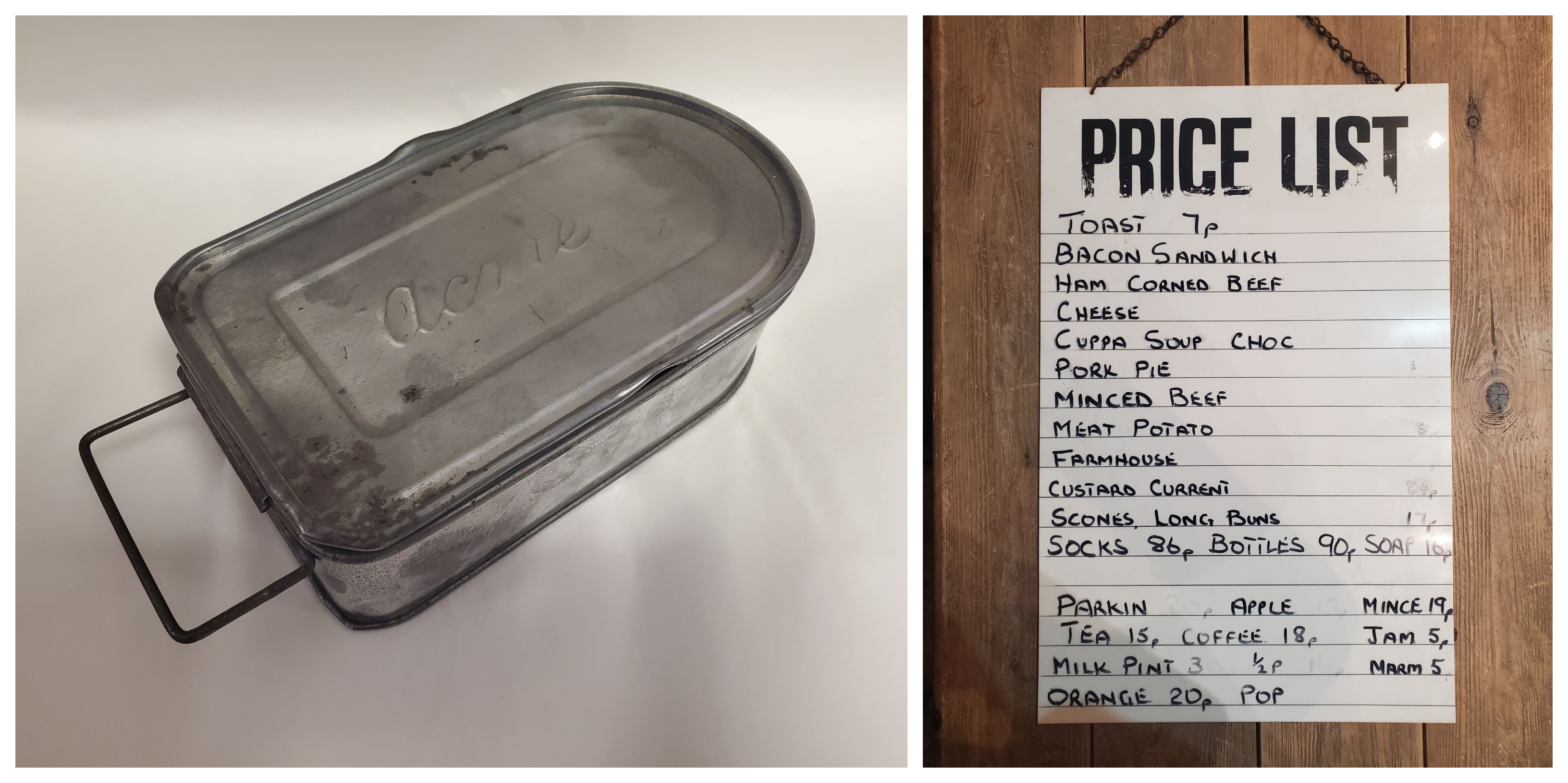
Snap tin and canteen price list (© NCMME)
Coal mines were a bit slower than other industries in providing drinking water and food. In 1927, plans for a proposed canteen were produced, the first canteen was trialled in 1929 with great success. Canteens also sometimes sold tools, boots, clothing, snuff, soap and towels. By 1946 canteen facilities had been established for approximately 90% of the workforce.
Working the surface
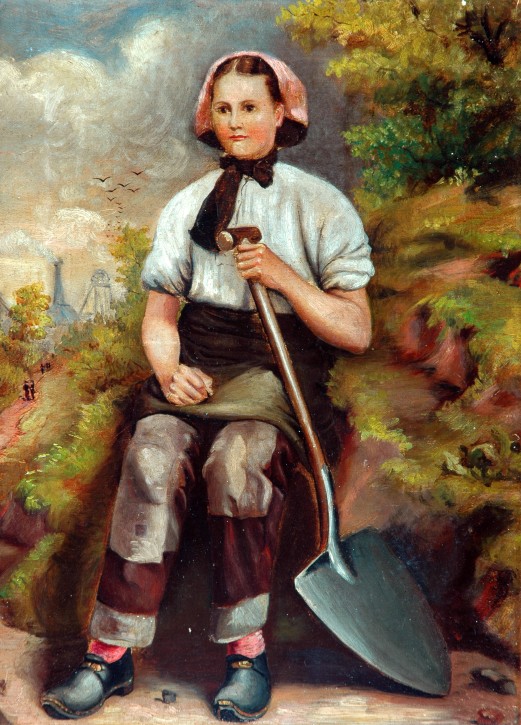
Hannah Keen was the daughter of James Keen, Chairman of Wigan Coal and Iron Company and the owners of Maypole Colliery. Hannah’s close connection with the industry inspired her to paint this portrait of a pit-brow girl, believed to be one of the many female surface workers who were employed at Maypole Colliery during the late 19th century.
The Coal Mines Act of 1842 banned women and children under the age of ten from working underground, but in a handful of districts across Scotland, Wales, the West Midlands, Lancashire and the north-east, women were still able to work on the surface. This type of work was often referred to as pit-brow work.
Cleaning up after a hard day
Before pithead baths miners would bring the dirt of the pit home on themselves and on their clothes and boots into very small houses. The women of the house had to heat water for bathing, and clean and dry their clothes. This was backbreaking work especially if there was more than one miner living in the house, which was often the case.
Pithead baths were provided by the Miners’ Welfare Fund from 1927. Early examples of pithead baths were based on baths seen on the continent with ropes for suspending clothes to dry in the roof space. This system had its problems – clean clothes were not separated from dirty clothes and dust was constantly falling from the suspended dirty clothes onto the bathers, so the decision was made to move away from this. A new system was designed with separate clean and dirty areas, men would leave their clothes in lockers in the clean area and go to their lockers in the dirty area to put on their work clothes. At the end of the shift they would leave their dirty work clothes in the lockers in the dirty area. They would then wash and return to the clean area to dress. Work clothes were dried in lockers by warm air being forced through them. On wet days warm air could also be passed through the clean lockers to dry damp clothes by the end of a shift.
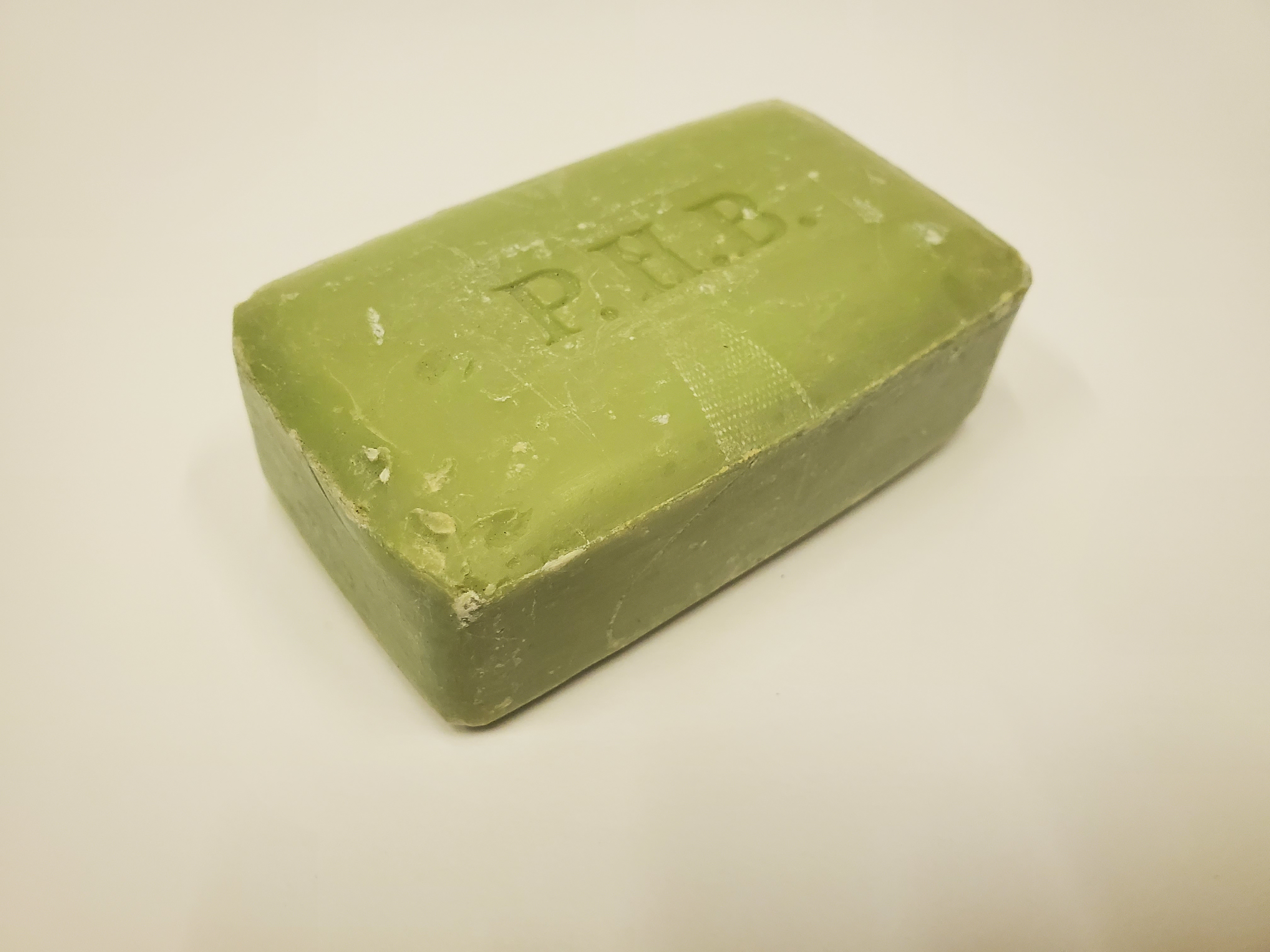
Pithead bath soap (© NCMME) - The pithead baths meant the men could go home in clean, dry clothes which had been stored safely in their lockers while they were working.
By 1948, 369 pithead baths had been provided almost completely from Miners’ Welfare Fund for over 450,000 men. Recent research undertaken by the Twentieth Century Society has so far identified only around 60 surviving examples of pithead bath buildings in Britain. You can explore one at the National Coal Mining Museum in Yorkshire.
Find out more
The National Coal Mining Museum for England is located on the western edge of the Yorkshire coalfield, where mining has been carried out for centuries. It offers various tours, exhibitions and events throughout the year – including Heritage Open Days.