Blood, Beetles and Battlements: The Everyday History of Red Gold
The Colour Makers, 2 High Wiend, Appleby-in-Westmorland, Cumbria, CA16 6RD
Colour, Craft and the Clifford Legacy
In 1645, the same Civil War that destroyed Lady Anne Clifford's castles produced Britain's first standardised military uniform, the red coat, dyed with madder. The everyday histories of colour and conflict have always been intertwined.
This event traces a single thread from a Spanish ship's hold to a 17th-century workshop in Appleby. George Clifford, 3rd Earl of Cumberland, orphaned young and made a ward of court, became Elizabeth I's Champion and one of England's most celebrated privateers. His expeditions employed hundreds of ordinary Cumberland and Westmorland men on a prize-share system the gig economy of the 1580s. Among the cargoes his crews captured: cochineal, the tiny dried insect from Mexico worth its weight in silver, the source of the most vivid crimson known to European painters and dyers.
His daughter, Lady Anne, spent forty years reclaiming and rebuilding her inheritance after the Civil War, employing generations of local craftspeople. The Colour Makers House, rebuilt the year after she died, sustained by the same craft traditions her restoration work had kept alive.
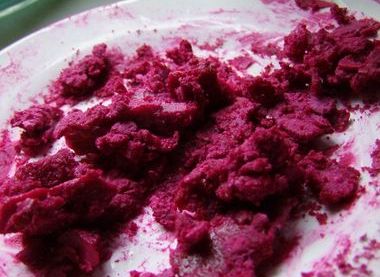
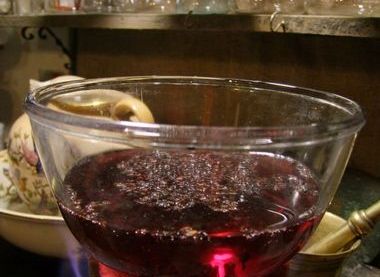
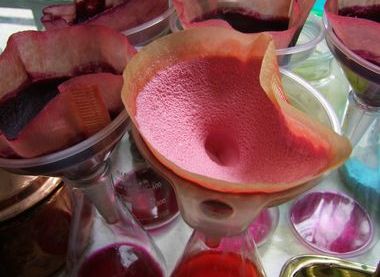
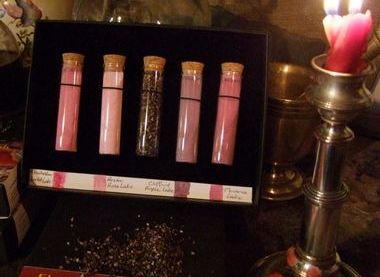
Today, those traditions continue here. Join Britain's only practising medieval pigment alchemist to complete the circle: making Carmine Lake from cochineal, the same pigment lineage that crossed an ocean in a privateer's hold, passed through unknown hands, and arrived in this room.
The everyday history of colour has always been made by people like us.
The Colour Makers, 2 High Wiend, Appleby-in-Westmorland, Cumbria, CA16 6RD
Low beams and uneven floors. The stairs have shallow treads.