Cairo Street Chapel
4 Cairo Street, Warrington, Cheshire, WA1 1ED
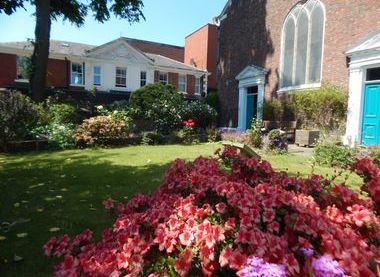
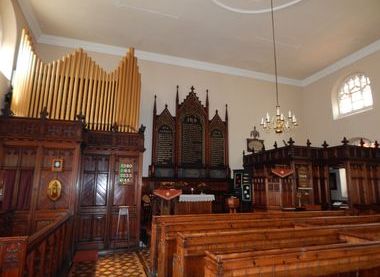
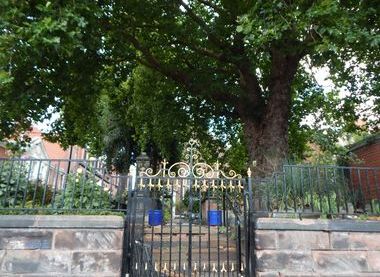
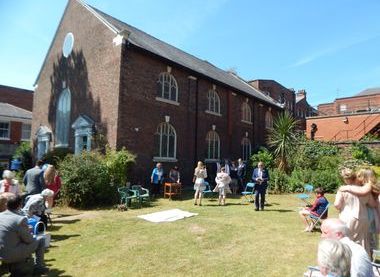
The earliest dissenting chapel in Warrington, part of the 1662 ejection. Monuments to pupils of Warrington Academy and prominent families of the chapel including the Gaskells, Aitkins and Monks. Displays featuring the lives of Joseph Priestley who was ordained a Minister in the chapel. Anna Letitia Barbauld, 18th century poet and novelist, Rev Pearsall Phillip Carpenter, agitator for social reform and getting a clean water supply for the town. Lectern in memory of John Howard, Prison Reformer who attended Cairo Street on his many visits to Warrington. The burial grounds contain many graves including the grave of William and Elizabeth Gaskell's son.
Prominent in our history are the Gaskell and Monks families. William Gaskell married Elizabeth Stevenson, and he became a renown Minister at Cross Street, Manchester for over 50 years; William’s brother Samuel humanised Lancaster lunatic asylum and became Commissioner for Lunacy for England and Wales. Their sister Ann with her husband William Robson, founded and ran the Warrington Anti-Slavery Society, one of the most influential and active Societies in the UK.
Sunday 20th September features our Academy Lecture, this year, the Lecture given by Phillip Jeffs of Warrington Museum. The title for his presentation is "Fighting the Tide of Sewage and Smoke, Rev. Carpenter’s work in Warrington." Phillip's talk emphasises the actions of Chapel members in bringing economic and social change to Warrington.
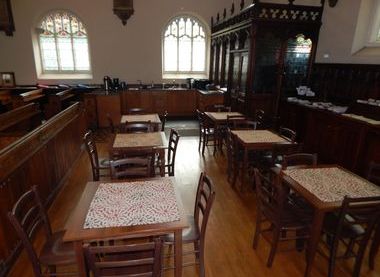
Refreshments available.
4 Cairo Street, Warrington, Cheshire, WA1 1ED
There are several steps at the chapel entrance so wheelchair access is limited. Disabled parking is available in local streets
Visitors can take photographs. Booklets are available on the history of the Chapel and many of the notable persons associated with the Chapel at a small charge. Records of headstones in the burial ground and of interment of ashes are available for use.