St Giles Ruins - Working lives of those who worked there
St Giles Ruins, Spital Road, Maldon, Essex, CM9 6EA

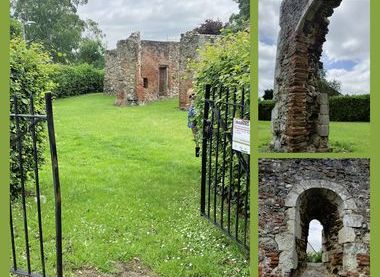
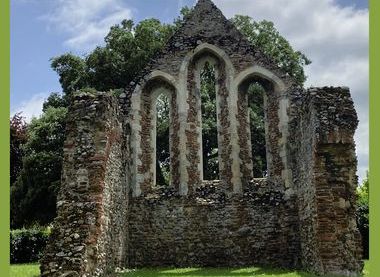
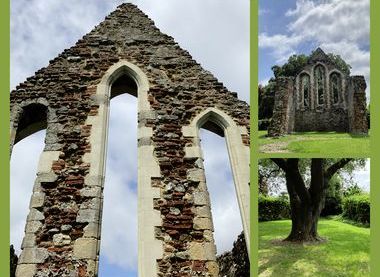
The ruins of St Giles Leper Hospital, a 12th-century Scheduled Ancient Monument in Maldon, perfectly illustrate "working lives" through centuries of adaptive use. Founded for those with leprosy, it originally served as a place of care and work, where residents would maintain gardens and participate in communal labour. Following the Dissolution of the Monasteries, the chapel was converted into a farm building for centuries, showcasing the transition from medical care to agricultural labour. Recent University College London research highlighting medieval medicinal herb beds reinforces its history as a place of therapeutic work and daily survival.
St Giles Ruins, Spital Road, Maldon, Essex, CM9 6EA
The ruins of St Giles Leper Hospital in Maldon stand as a rare, haunting reminder of medieval social care. Founded in the 12th century, likely by Henry II, it offered sanctuary and spiritual solace to those suffering from leprosy. The site’s flint and rubble walls are all that remain of the hospital’s chapel, showcasing a remarkable transition from a place of therapeutic labor and medicinal gardening to a secular farm building following the Dissolution of the Monasteries. Today, it is a Scheduled Ancient Monument, offering a quiet, evocative glimpse into Maldon’s long history of daily survival