I've long been fascinated by Woodbury Park Cemetery in Tunbridge Wells. Among its quiet graves, one woman in particular caught my attention: Philadelphia Carman, who died 22 April 1851. Her story, hidden for over 170 years, reveals the life of an ordinary Victorian woman whose labour and resilience quietly kept communities going.
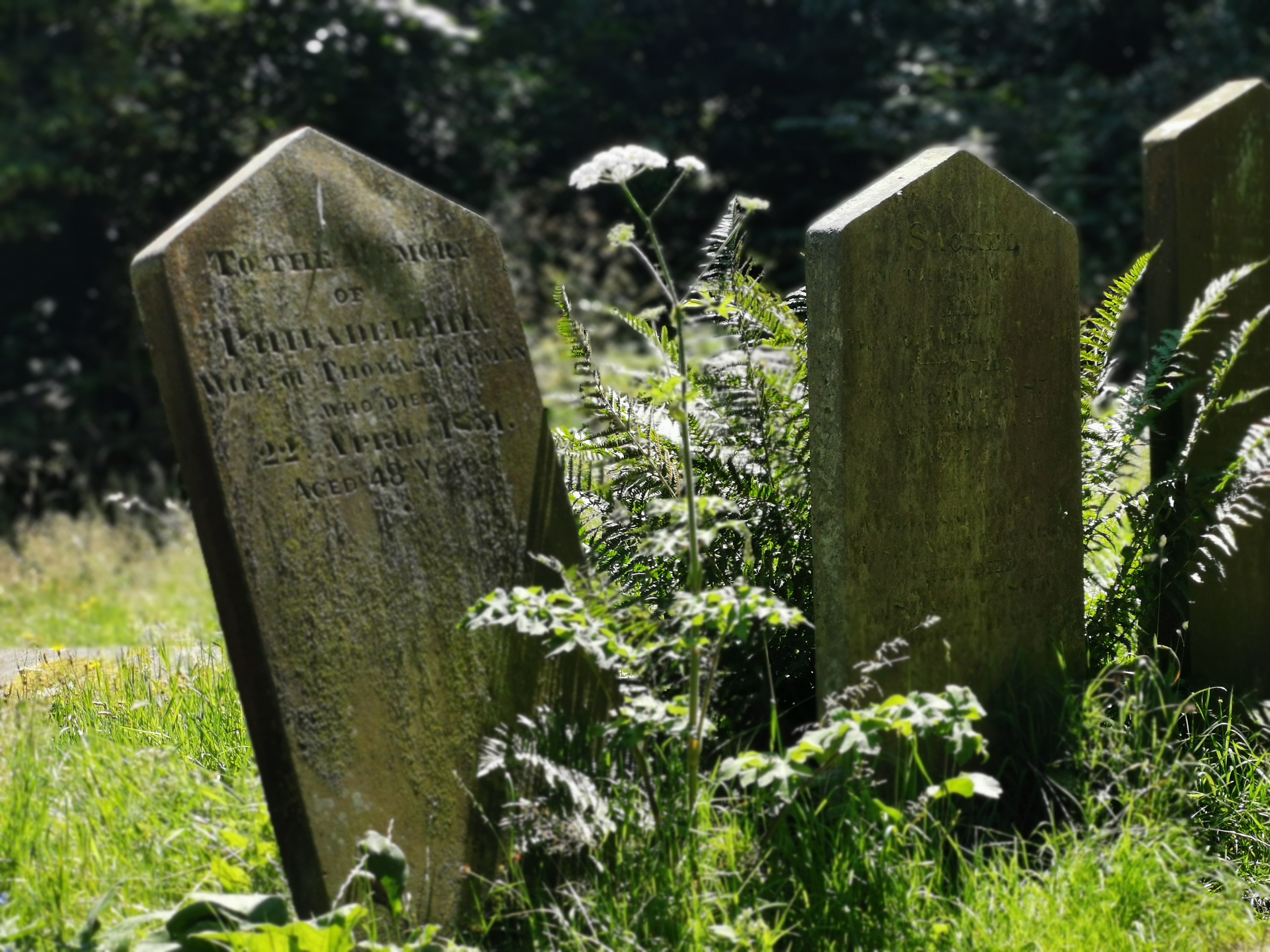
Philadelphia's headstone is unusual: edged on both sides, with a stark inscription bearing no words of endearment, and the phrase "wife of Thomas Carman" seemingly added as an afterthought. She rests just two graves down from The Reverend Henry Austen (brother of famous author, Jane). Her headstone tilts backwards, as if insisting on being seen. Yet from this minimal trace, a hardworking and poignant life surfaces.
Discovering Philadelphia
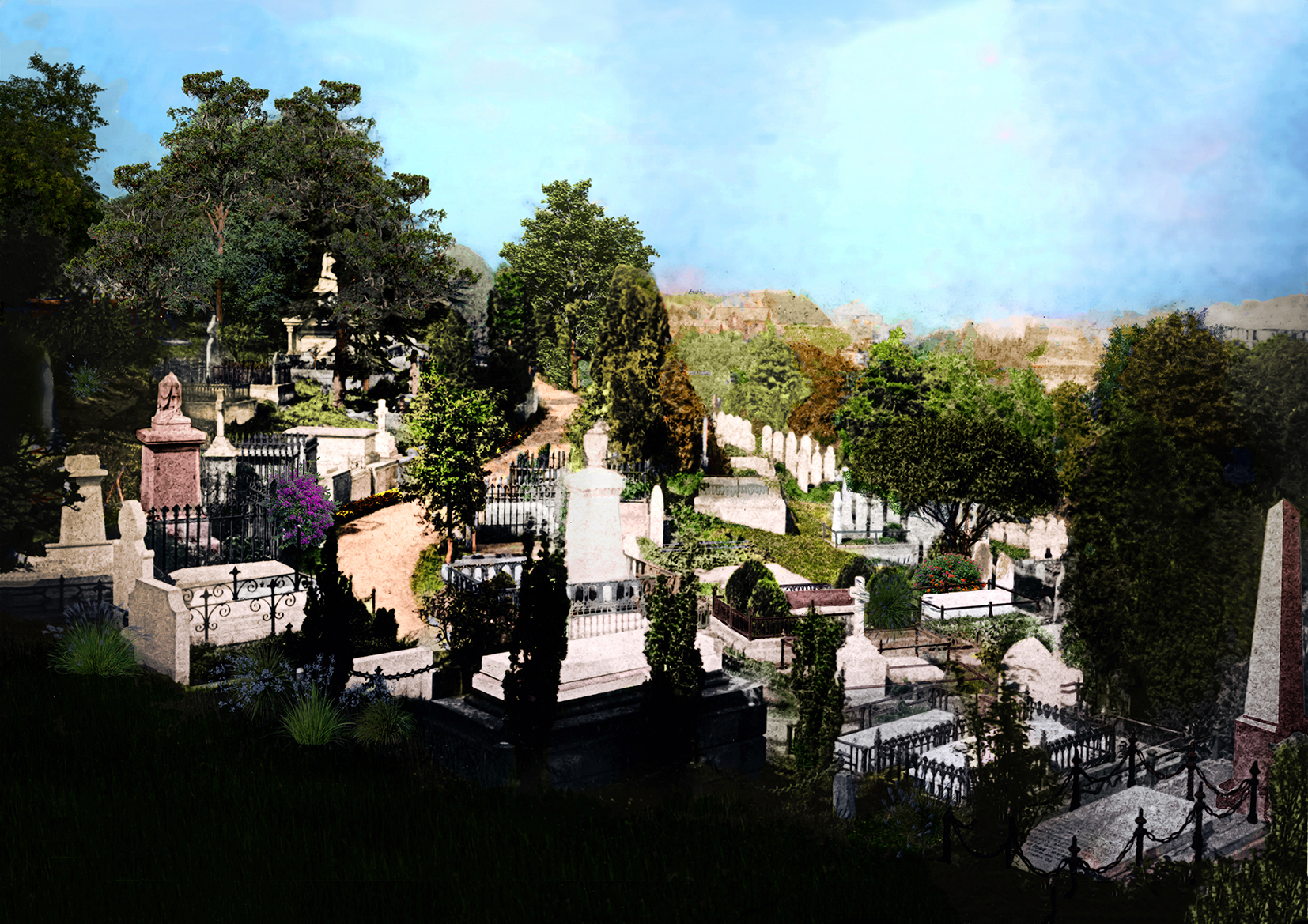
Opened in 1849, Woodbury Park Cemetery served Tunbridge Wells until 1934, then fell into seventy years of neglect. In 2006, the Friends of Woodbury Park Cemetery formed, led by Soroptimist International of Tunbridge Wells. Volunteers reclaimed the site, creating an award-winning mortuary garden.
My first playschool backed onto the cemetery, our paradise playground. It's where I had my first kiss, and where I would skive off school. Years passed. I travelled, then returned home, settling with my young daughter near the cemetery. It became her first playground. Today, my granddaughter Violette loves this space as well.
It was my work as a documentary filmmaker that led me to discover Philadelphia in 1991. I was wandering among the headstones in search of a bold and beguiling name for my film's heroine. I borrowed her name, and years later, when the Friends put out a call to adopt a grave, I chose Philadelphia without hesitation, but it was only last year, when Violette asked, "Who was she?" that I began to research what I could.
A surprising connection
Philadelphia died three weeks after the 1851 March census was taken, at 53 Agnes Cottages, Camden Road, Tunbridge Wells. Her husband, Thomas Carman, was not present. She was with her friend Charlotte Humphrey, who would later end up in the workhouse.
I studied the 1851 town map, and this is where our stories entwine. I, too, had worked at that same location, a café in 1991, unaware that the woman whose name I had borrowed, lived and died on this very spot.
Tracing Philadelphia
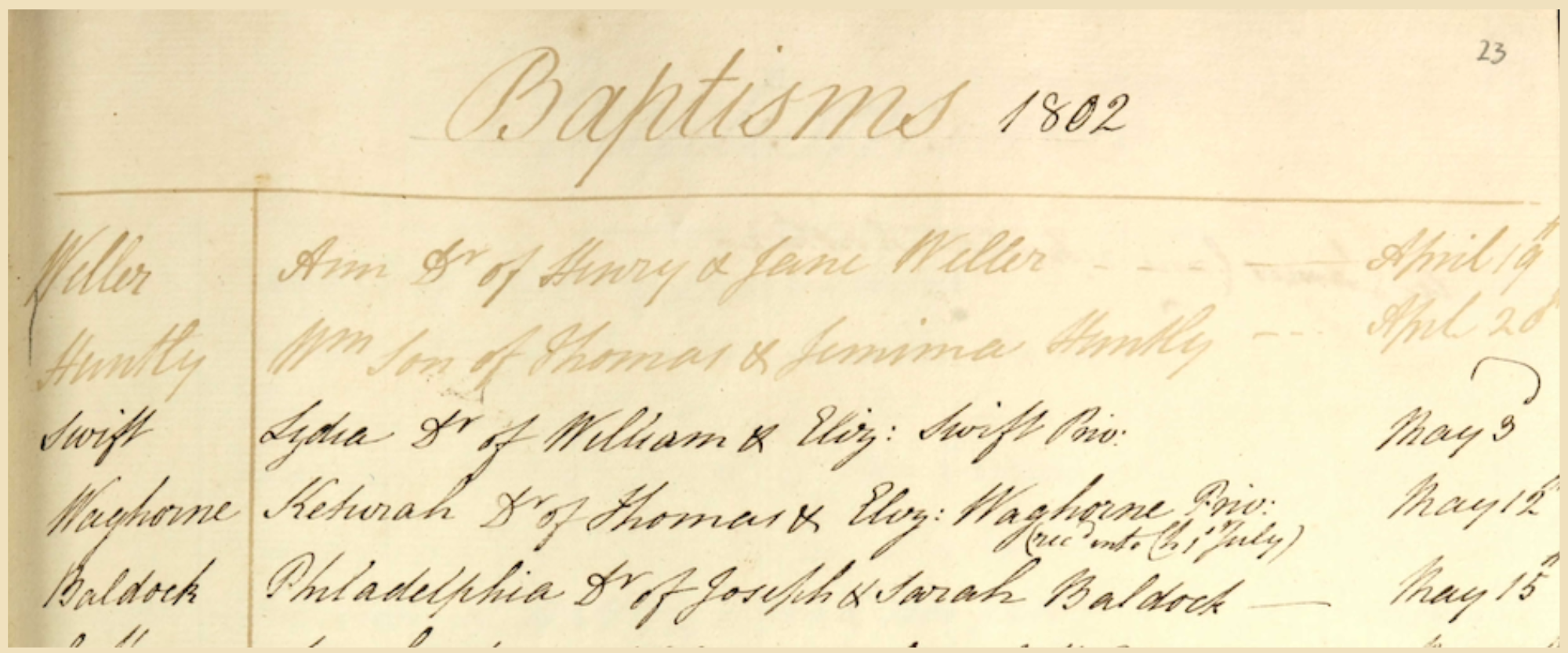
Philadelphia was born to Joseph and Sarah Baldock and baptised on 15 May 1802 in Ticehurst, a Sussex village shadowed by the Napoleonic Wars. High food prices and taxes drained households. For uneducated village girls like Philadelphia, domestic service was often the only path forward.
A long gap follows in Philadelphia’s history until her marriage to Thomas Carman on 18 March 1837 at St George’s Church, Camberwell, Surrey. How they met or she arrived there will never be known. She signed the register with an X, indicating illiteracy. They would have two children, Amelia and Thomas Jr, both of whom died young. Thomas Jr in 1841, one month after his birth; Amelia followed aged nine, in St Pancras in 1846.
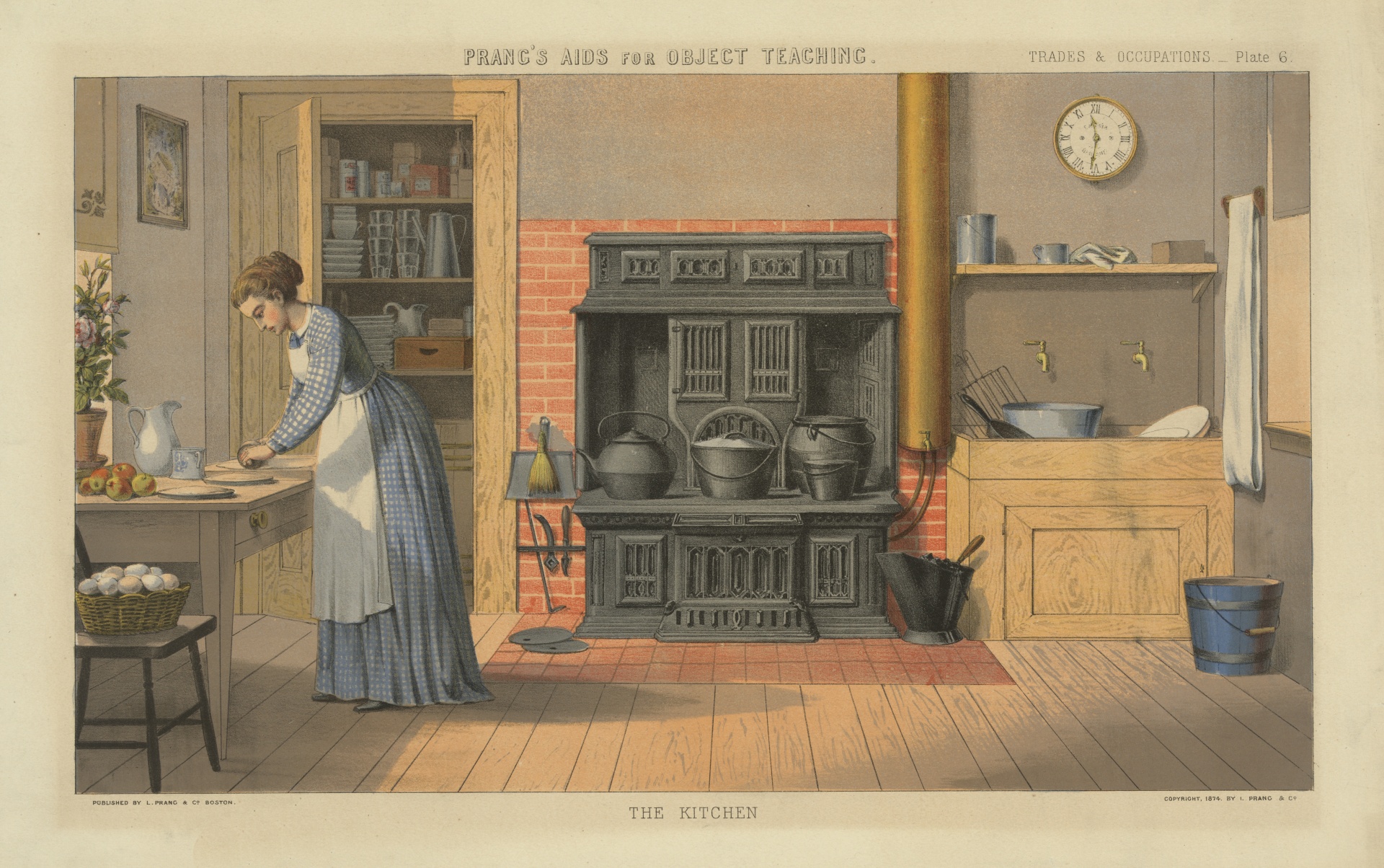
By 1851, Philadelphia's childless life had taken an unconventional turn. She worked as a jobbing cook in Tunbridge Wells, Kent, while Thomas served as butler to Lady Frances Wood. Jobbing cooks moved between households on temporary positions; precarious work, but lived on their own terms. Philadelphia would have needed to be agile, quick-witted, creative and resourceful. However, by the time of the 1851 census, she was already dying of tuberculosis, her body weakened by disease, hardship and probably grief.
Philadelphia was buried beside the Reverend Henry Austen, Jane Austen's brother. But where did the money come from to bury her? She was only a servant and no records exist.
Remembering Philadelphia
While filming for my documentary, I learnt that Philadelphia is buried along the invisible boundary which separates wealthier graves from those of the unmarked graves of paupers and the poor, all forgotten by history.
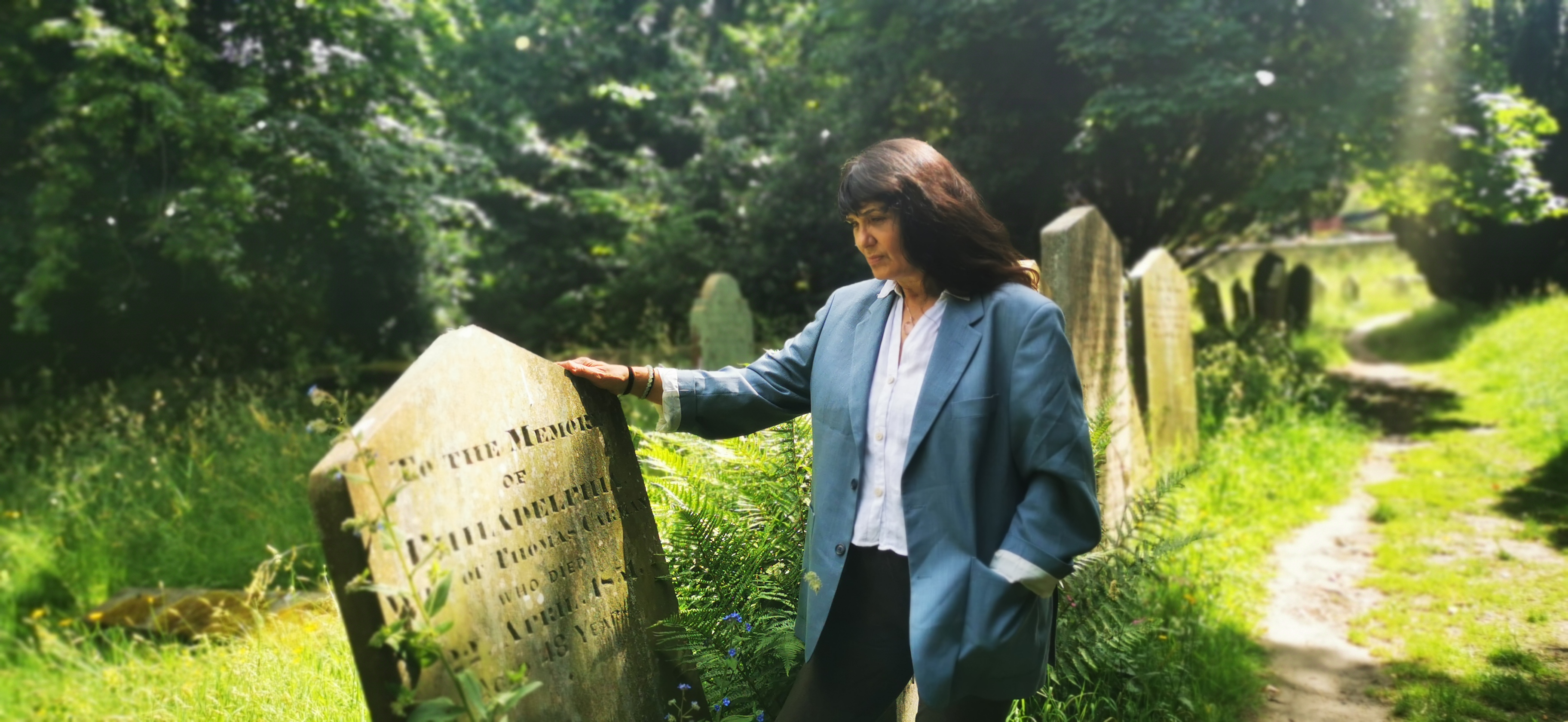
Philadelphia lived a tragically hard life, buried far from her children, while Thomas was laid to rest in the pauper's section of Kensal Green Cemetery in 1890. Yet she carried her dignity to the end, for she has a headstone. Someone, whoever it was, cared enough to mark her resting place, to ensure she would not be erased.
Philadelphia's story transcends her individual life, she becomes a catalyst, an embodiment of countless Victorian working women whose quiet labour sustained families and communities, forming England's unseen backbone. She represents those who lost children, whose lives were seldom documented, whose stories remain scattered across fragile records, waiting to be discovered, and through Philadelphia, I understand her message: every life matters.
Sharing Philadelphia’s story
I work with genealogist Emma Vidler to transform archival material to films, and last year, I premiered Philadelphia's story at Trinity Cinema for Heritage Open Days.
This autumn the Friends of Woodbury Park Cemetery will commemorate the unmarked graves with a simple granite monument.
Find out more
- Friends of Woodbury Park Cemetery - our group hosts talks, walks, publishes books, works with schools, and screens films.
- Scatterflix Documentaries – for more about Jeanne and her work.