Middleton Hall in Warwickshire has a very long documented history. It was constructed, on its current site, in the early 13th century and was lived in continuously from that time until 1966. However, the references to the people who worked on the Estate are very patchy. Nevertheless, even from its earliest time, they paint a picture of the varied occupations and tasks that workers undertook.
For most of its history, the vast majority of the workers have been male. However, occasionally the records have revealed the occupations of women working at Middleton Hall. By far, the most common of these were the various maids from personal to household and dairy, the governess, and the housekeeper. But there are also records of women working across the wider estate.
17th Century Weeders
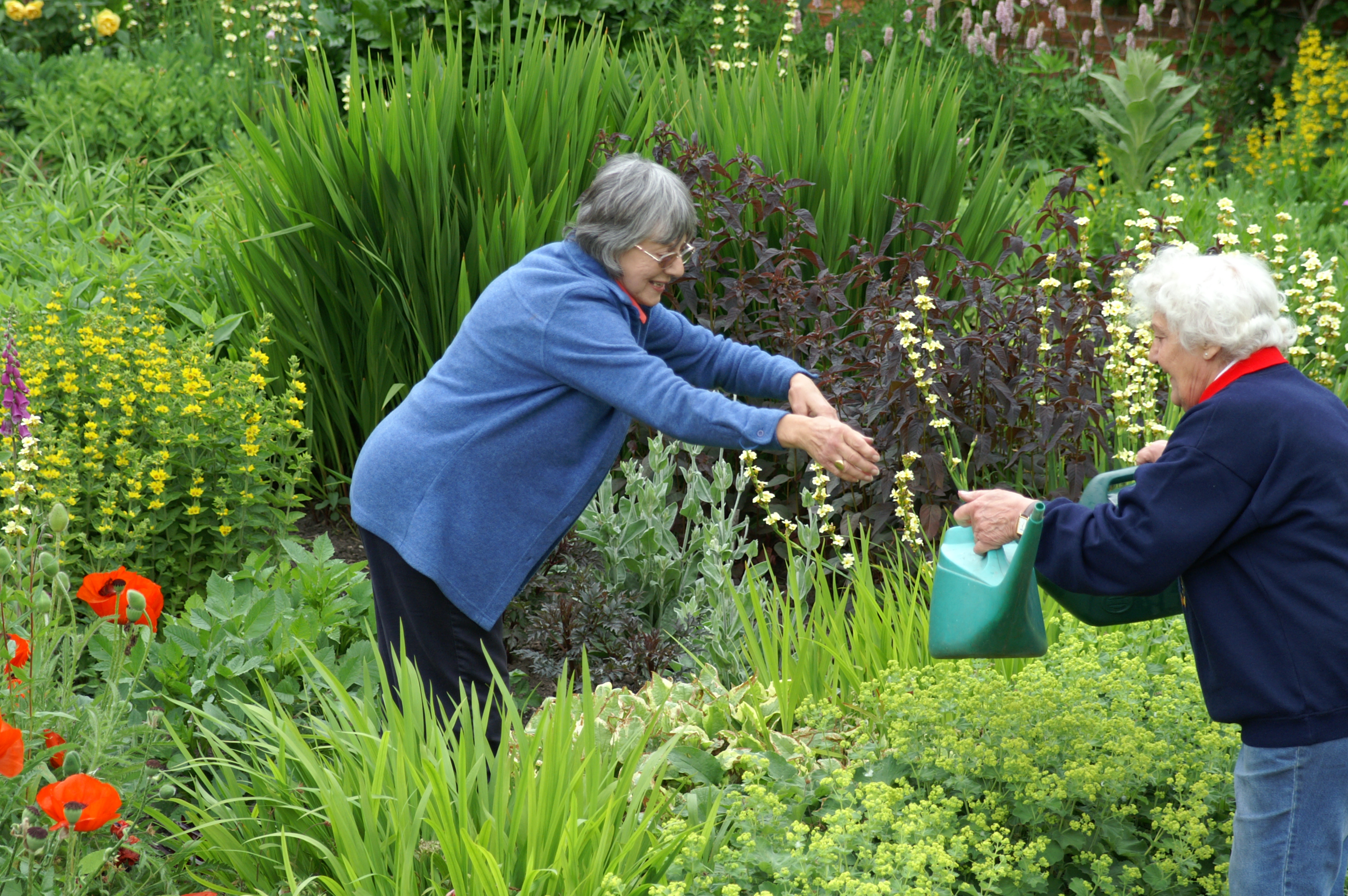
Until the Company of Gardeners was established in London in 1605, gardeners were not professionals. That change is stated to have caused the evolution of the occupation from one dominated by women in casual employment, to one dominated by men employed full-time. Indeed, the only person mentioned in the Middleton household accounts as having been employed for gardening before the 17th century, was a woman called “Mrs Key”, but the first full-time professional gardener was Edward Hancocks aka Gardner (referenced in 1602). Most of his garden workers though continued to be local women and were still employed on a casual basis.
For “respectable” women, gardening was one occupation that they could earn money from. It was a vital source of income for unmarried women or widows, as well as the wives of estate workers who would use it to supplement the household income. These women were employed as “weeders”, which was viewed as unskilled work. However, they were vital to the continued maintenance of the gardens. Very physically demanding, monotonous, and poorly paid, often with long 12-hour days, their tasks included weeding and pest control (checking for insects).
An extensive estate
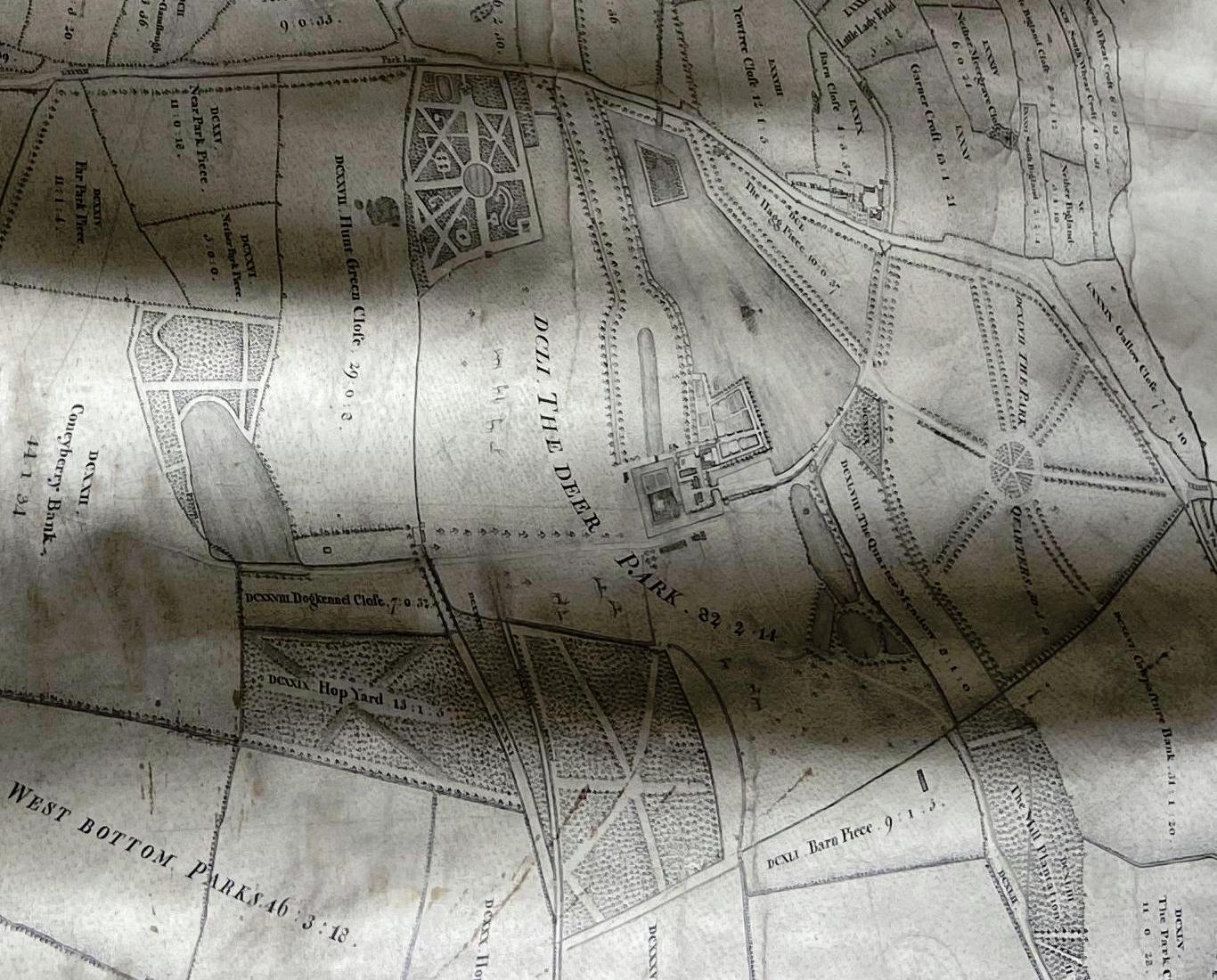
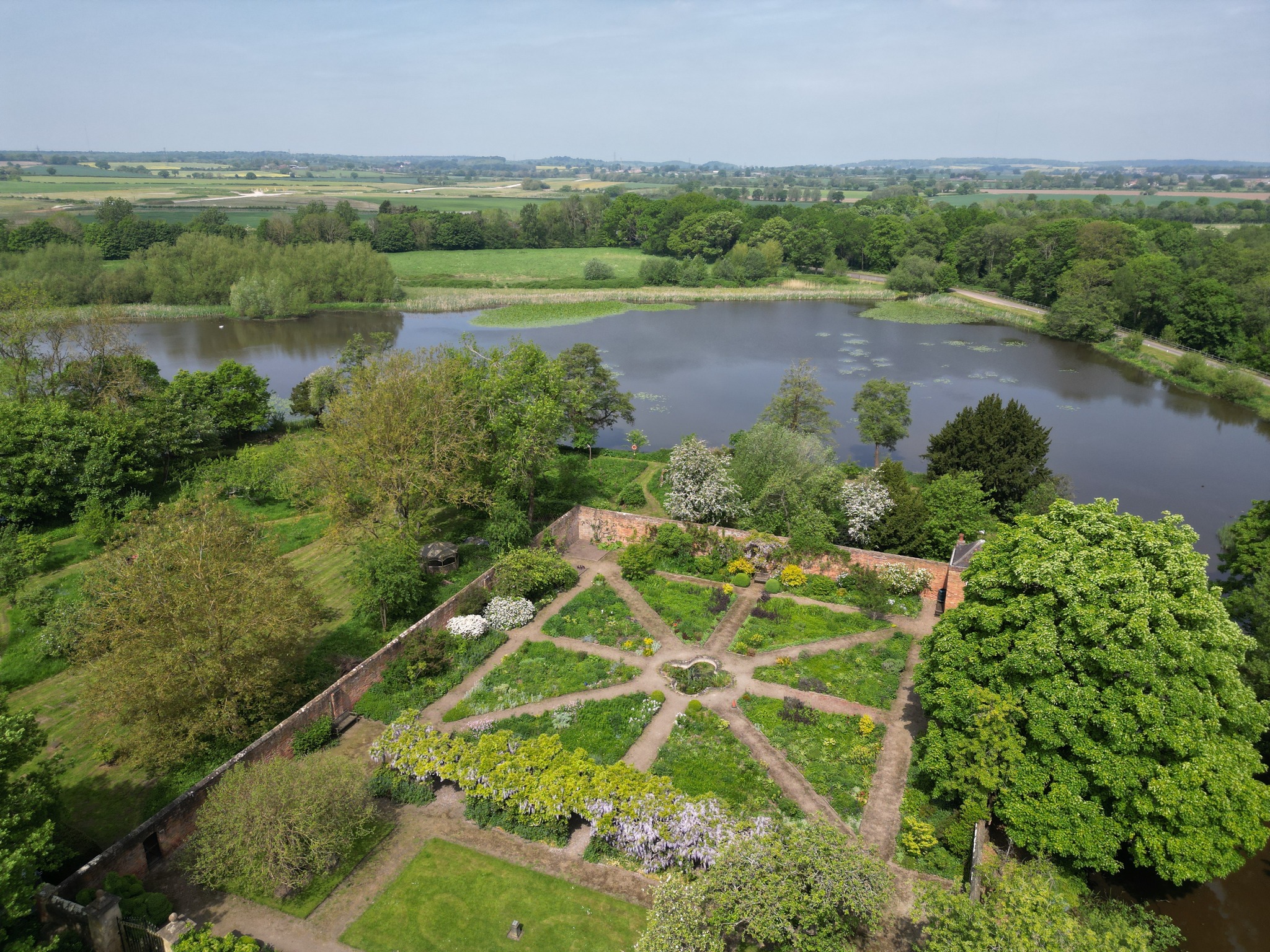
An inventory dated 1702 stated that there were 12 gardens at Middleton Hall. Unfortunately, due to subsequent extensive landscaping and renovation, we do not know the extent, precise nature, or design of the gardens before that time. However, we do know from the accounts that they included pleasure gardens, a kitchen garden over 20 acres in size, herb gardens, household gardens, physic gardens, numerous orchards as well as a 13-acre hop-yard. Hence it can be assumed that the number of weeders required would have been significant!
20th century Lily-pickers
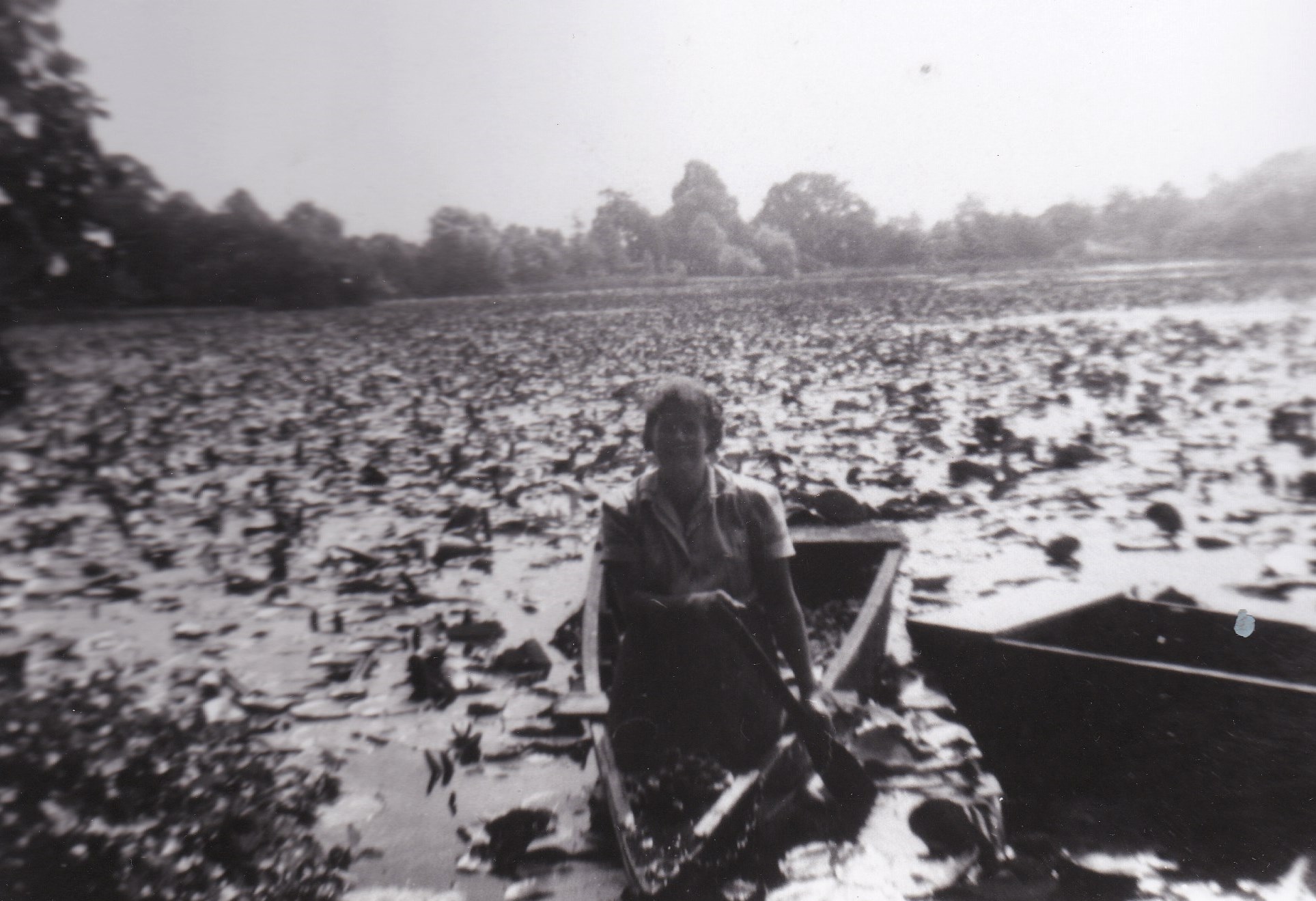
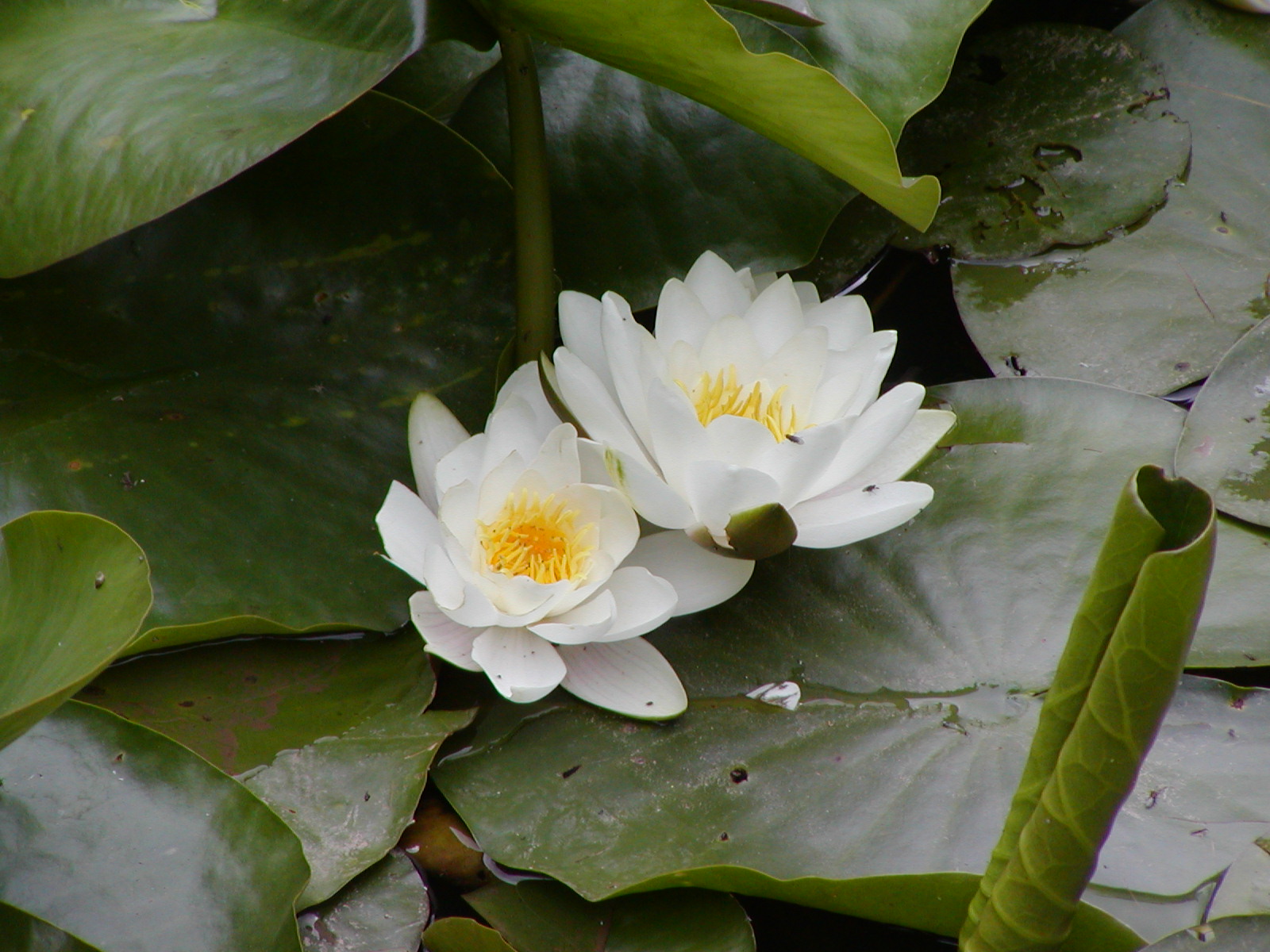
An unusual commercial activity at Middleton Hall was lily-picking. From Victorian times to just after WWII, local women were hired to pick the beautiful white water-lilies from Middleton Pool. They would harvest them early in the morning from small boats that were reported to be very unstable.
Testimonials have reported that multiple generations of women from the Dixon family, who lived on the estate, undertook this activity as well as many others from the village. The Dixon family were known to have been servants to the Willoughby family of Middleton Hall, and tenants and estate workers at Middleton, from at least the 16th century until the Hall was sold in 1924. In the 20th century, some members of this family were not just living in the very close accommodation around the Hall, but also in self-contained cottages that were constructed in parts of Middleton Hall after 1925.
From Middleton Pool to hotel tables across the globe!
After harvesting the water-lilies were taken to a building in what is now called the Small Walled Garden, which was at that time filled with buildings. However, many of these utility buildings collapsed decades ago when the Hall became a ruin. This building was a packing shed. There, six water-lilies were wrapped in tissue paper and placed in a box. The boxes were then transported to Tamworth station and put on the 12:30 train to London. These flowers were then sold at Covent Garden Market and bought by hotels, such as The Ritz, to use as table decorations. Other records and testimonies have reported that they were also transported to Birmingham and Manchester and possibly even South Africa.
Where they lived
Just outside of the moat, a range of buildings contained accommodation for workers on the farm or grounds of the Hall and cottages were built especially for the chauffeur, the gardener, and their families. Census entries have proven that those employed on the estate in those activities did live in those cottages.
Further afield there were numerous hamlets and Middleton village within the estate where the workers could have lived. Transportation to Middleton was always very challenging and thus the workers lived very close, although a great many were not local or even regional in their origins. Records have confirmed that all of these properties were maintained by the Lord of the manor until the Estate was broken up and sold in 1924. The accounts also reveal that he provided all the equipment they needed, provided healthcare for his sick workers and had food available for those working, which testimonials have suggested extended to their families as well.
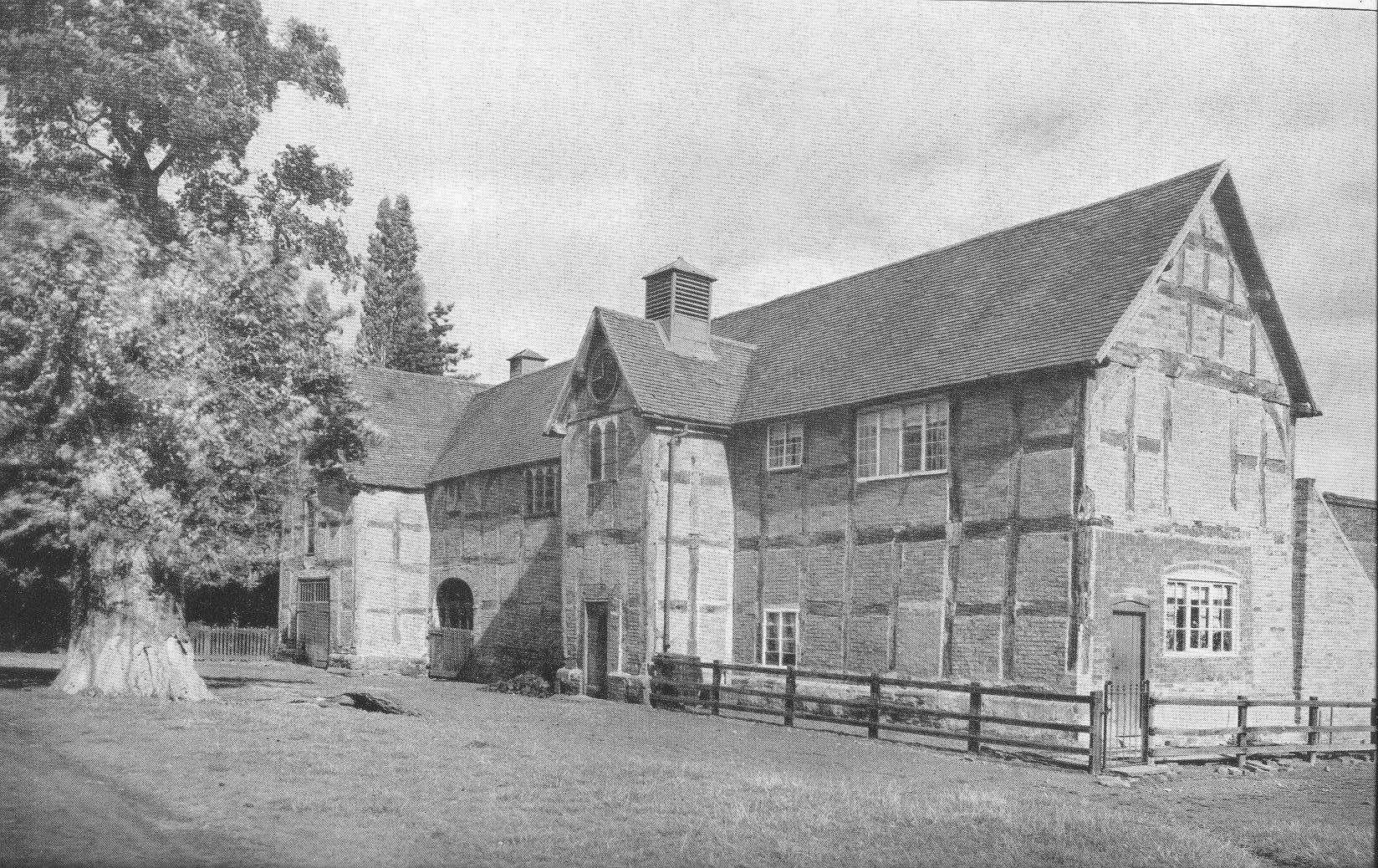
The Tudor barn in 1924 - this provided the residence of two estate-working families at that time and for a great many decades before that.
All images courtesy of Middleton Hall.
Find out more
- Middleton Hall
- Everyday Histories - explore the inspiration hub for this year's festival theme.