For Heritage Open Days 2026 I organised a walking tour around Leeds City Centre that explored the themes of the Transatlantic Slave Trade and the British Empire, and the impact they had on everyday people of Leeds.
John and Henry – ‘servants’ and merchants
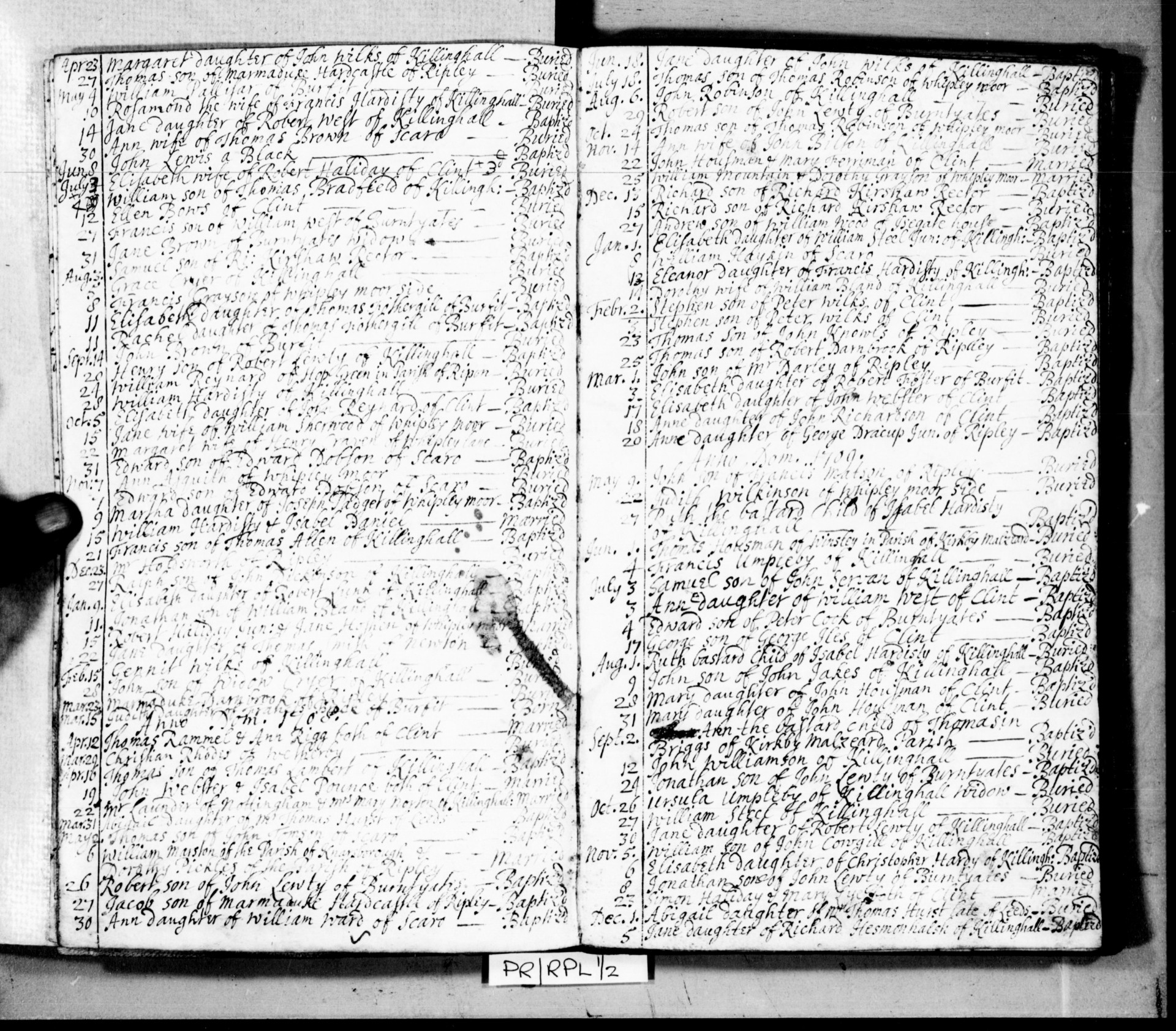
We started the walk at the Leed Minster on Kirkgate, the oldest part of Leeds. A church has stood on the site for around a thousand years. It was here, on 1st February 1708, that John Lewis, the first documented person of African heritage in Leeds, attended service. John Lewis was a servant to Richard Kirshaw, the Rector of Ripley. Richard’s brother Samuel was a Leeds merchant with links to Jamaica. It was through these links that John Lewis was brought to England around 1705. When Richard Kirshaw came to Leeds to visit his brother in 1708, John Lewis came with him and when the brothers attended church, John Lewis was with them.
John was just the first of many people of African or South Asian heritage who came to Leeds. As Britain’s involvement in the Transatlantic Slave Trade increased and the British Empire grew, more people arrived in the city from across the Empire. A few stops after the Leed Minster, we were stood next to another church, Holy Trinity Church. Around a quarter of the money used to build it in the 1720s was gifted by Lady Elizabeth Hastings. She had inherited her wealth from her grandfather Sir John Lewis, a wealthy London merchant who had grown rich as a factor with the East India Company.
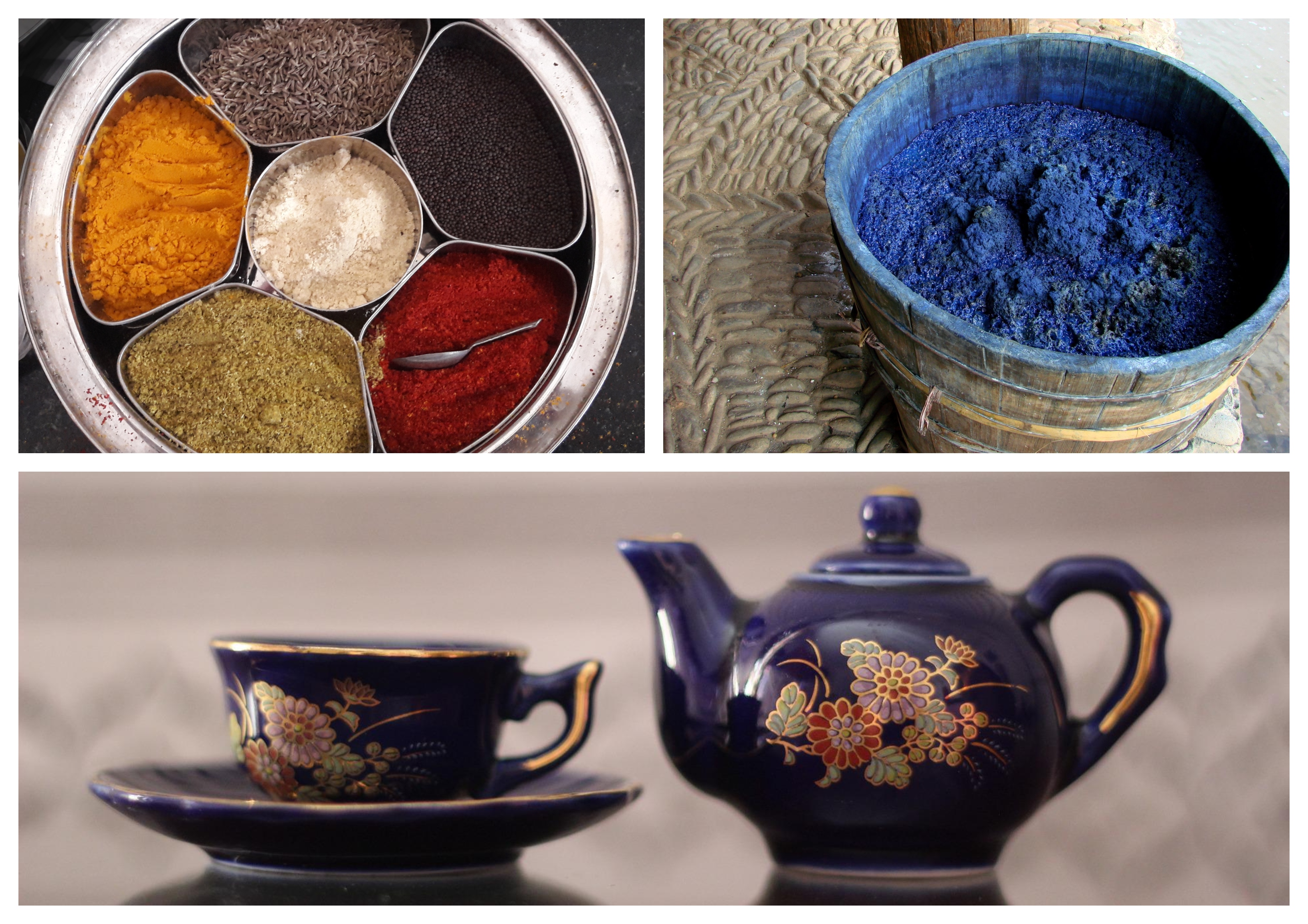
Founded in 1600, the East India Company traded in the Indian Ocean region in cotton, silk, sugar, indigo dye, spices, tea and opium. From the 1620s the Company became involved in slave trading and transported enslaved people from East Africa and South Asia to the Company’s South Asian holdings, setting them to work in Company factories, producing products for export. As well as bringing a mass amount of wealth to Leeds, men linked to the Company also brought South Asian servants and nannies back to England with them.
Three-year-old Henry Osman was one of those brought back to England in 1727 by Dr Henry Lowther, a doctor with the East India Company. He spent the rest of his life in Swillington, working for Henry Lowther’s brother William, near Leeds where he married and had five children.
It is difficult to say with any certainty whether John Lewis and Henry Osman were enslaved or not but the available evidence suggests they were.
Pablo & John – the circus performers
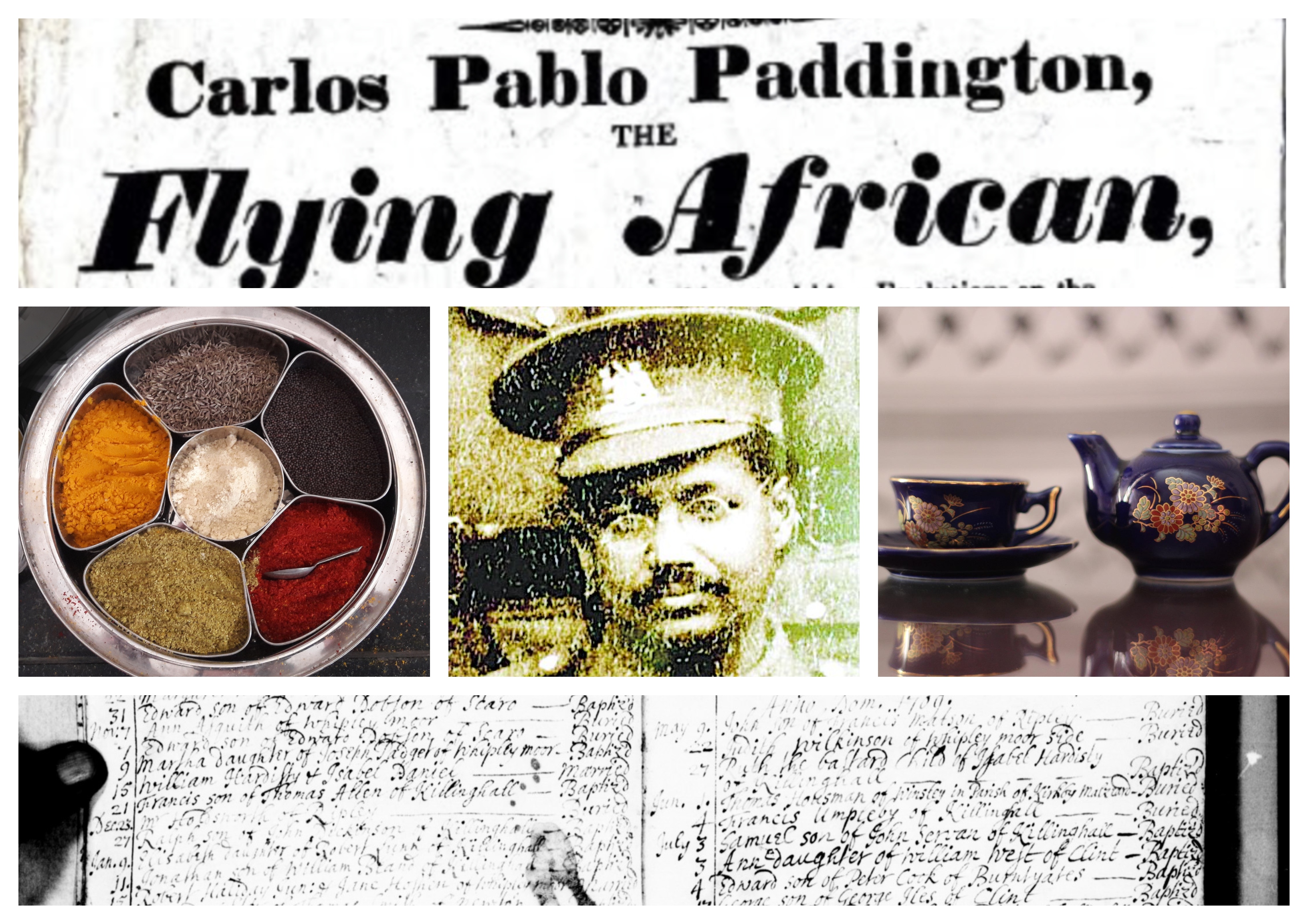
Next to the Holy Trinity Church is the site where Cooke’s Circus was set up in 1825. Among the performers were two people who, in today’s terms, may have identified as transgender. Both people were assigned female at birth but lived as men on and off stage. One of these people was Pablo Paddington, a mixed-race person of African heritage who was born in Ireland. Pablo was a slack rope walker and they had a relationship with a broadsword demonstrator named Miss King. Despite being exposed in the press as a “female impostor” in 1827, Pablo continued to live and perform as a man into their 50s, making other appearances in Leeds. The other person was John Clifford, a mixed-race person of Indian heritage who was likely born in Yorkshire. Their story is a tragic one. After appearing in Leeds in 1825, they ended up in a workhouse in York in 1827. Both Pablo and John had entered the workhouse as men but after it was discovered John was pregnant, they were exposed in the press. John delivered a still-born son in the workhouse in York and a few months later, aged 28, they died there too.
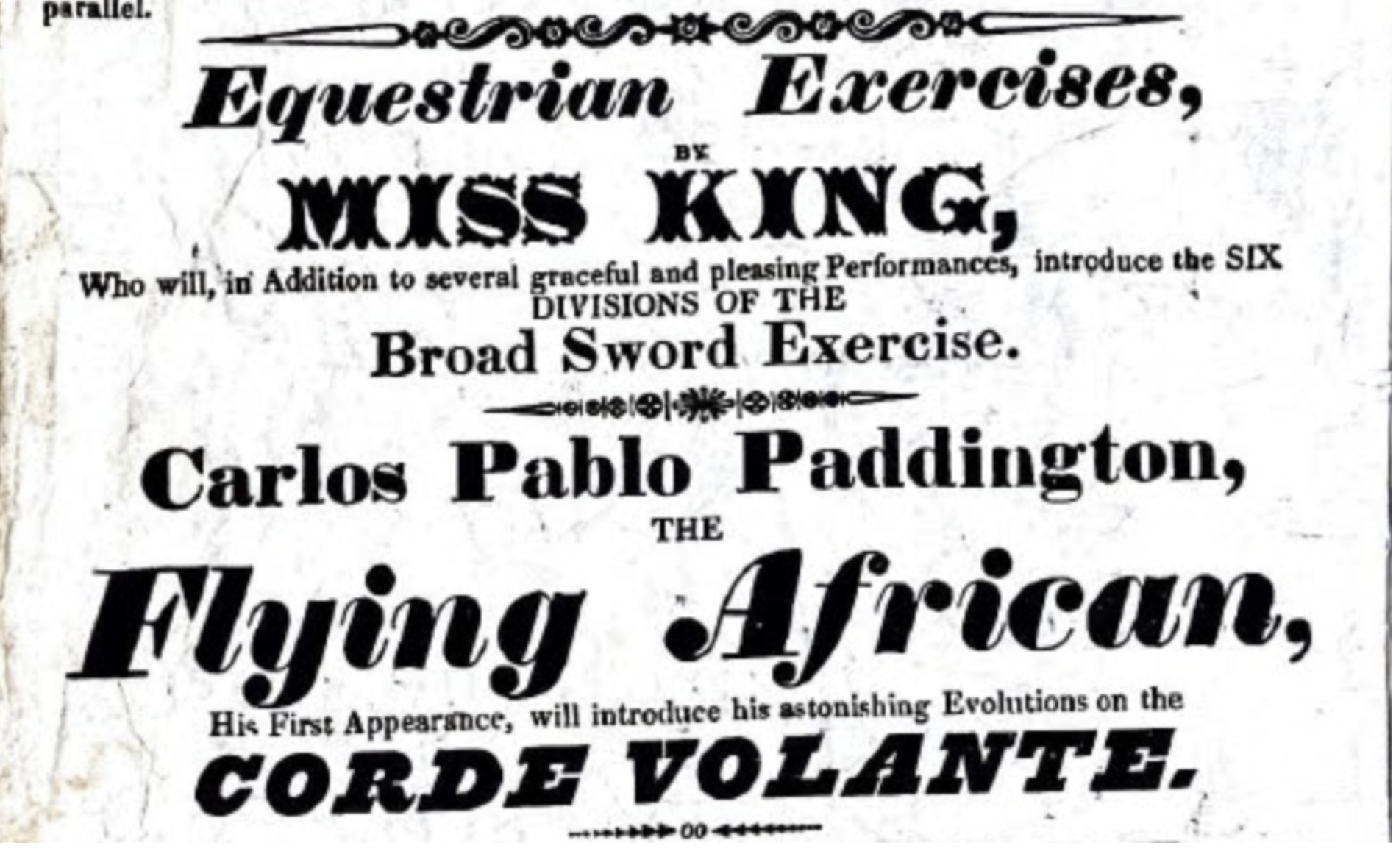
A playbill from 1825 highlighting the performances of Miss King and Carlos Pablo Paddington.
Jogendra Sen – the student and soldier
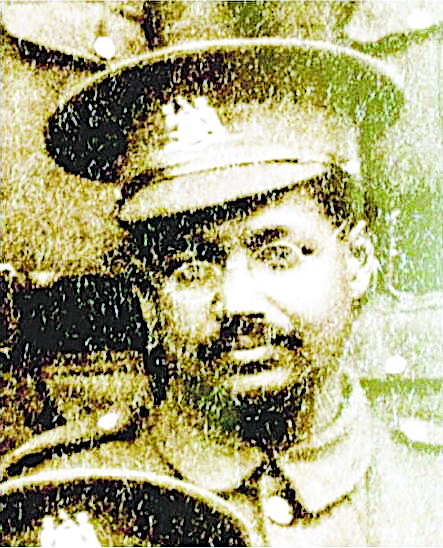
In the second-half of the tour, as we make our way back to Leed Minster we stopped at another church, the Mill Hill Chapel. One of the members of this chapel in the years prior to the First World War was a former Indian student named Jogendra Sen. He was born in India in 1887 and came to England in 1910 where he studied at Leeds University becoming an electrical engineer in 1913. At Mill Hill Chapel, Jogendra made friends and sang in the choir.
In September 1914, when the First World War broke out, Jogendra enrolled with the 15th West Yorkshire Regiment and after training, he served in Egypt and then France. He was killed in action in May 1916, aged 28 and his name is included on the war memorial outside the chapel.
These are just some of the incredible stories shared during the Slavery, Empire, and Leeds walking tour that help reshape our understanding of local history and how major events affected the lives of everyday people.
Find out more
- Articles from The Secret Library – more articles from Danny on Black and South Asian Histories in Leeds.
- Before Windrush – video of black histories in Leeds.
- When Ralph and John went to church – video with more about John Lewis.
- Pablo and John – video with more about the circus performers, as part of a wider event.
- Danny Friar’s website